Hyperthyroidism in Dogs: What It Is and How to Treat It


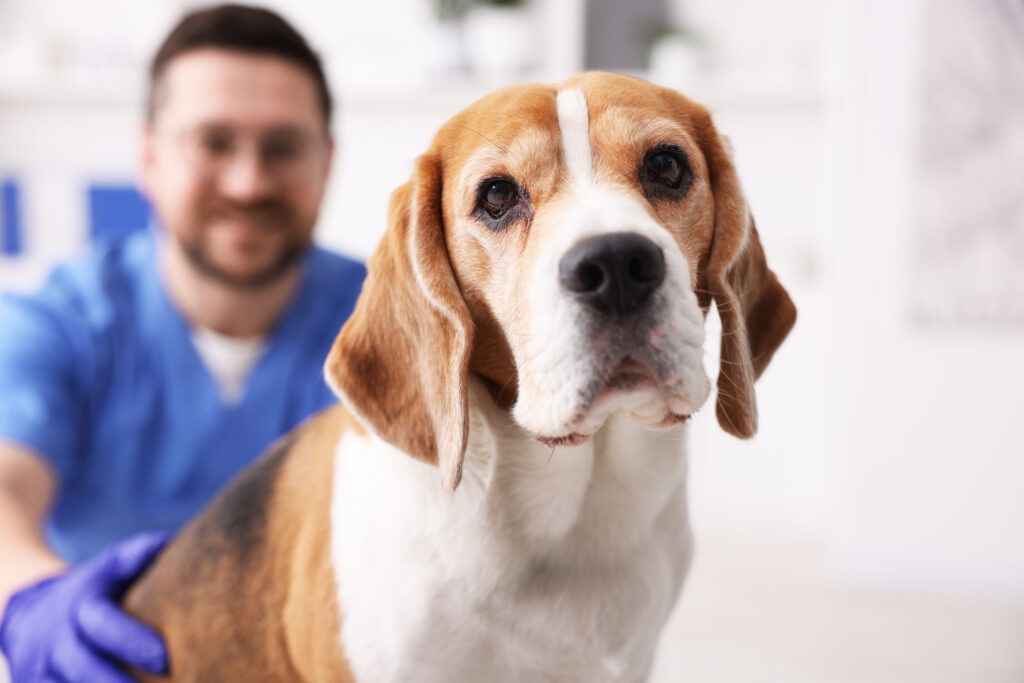
Olga Yastremska/iStock/Getty Images Plus via Getty Images
Hyperthyroidism in dogs is a condition in which the thyroid gland releases too much thyroid hormone.
While hyperthyroidism is common in cats, it’s rare in dogs. When it does develop in dogs, the cause is usually a thyroid gland tumor.
Key Takeaways
- Hyperthyroidism in dogs is uncommon and usually linked to a thyroid tumor.
- Treatment of hyperthyroidism in dogs may require surgery, medications, or special types of chemotherapy.
- Although thyroid tumors are treatable, they can spread to other parts of the body and affect their long-term health.
What Is Hyperthyroidism in Dogs?
Hyperthyroidism in dogs happens when the thyroid gland, located at the front of the neck, produces too much thyroid hormone.
Thyroid hormones help regulate temperature, heart rate, body weight, and major organ function. When thyroid hormone levels are too high, the body’s metabolism speeds up.
Left untreated, hyperthyroidism can damage major organs, especially the heart and kidneys. In dogs, the cause is often a malignant (cancerous) tumor on the thyroid gland. Unfortunately, the cancer can spread to other organs, potentially shortening a dog’s life.
Treatment requires diagnosing and addressing the underlying cancer.
You may first notice a problem if you see or feel a lump in your dog’s neck or notice signs of hyperthyroidism that prompt a vet visit.
Hyperthyroidism can become an emergency if it causes heart or kidney failure.
Symptoms of Hyperthyroidism in Dogs
Symptoms of hyperthyroidism in dogs may include:
- Weight loss
- Fast heart rate or breathing
- Hyperactivity or restlessness
- Anxiety
- Ravenous appetite
- Lump on the front of the neck
- Increased drinking and urination
- High blood pressure
- Heart arrhythmias or heart failure
- Kidney failure
Many of these symptoms can be caused by other diseases, so it's important to have your dog checked by a vet.
Causes of Hyperthyroidism in Dogs
Almost all cases of hyperthyroidism in dogs are caused by a thyroid tumor. Like other cancers, thyroid cancer is most common in older dogs.
Higher-risk breeds include Boxers, Beagles, and Golden Retrievers.
Hyperthyroidism can also be iatrogenic, meaning it can be caused by medical treatment. This happens when a dog with low thyroid production takes too much medication to replace missing hormones, raising their thyroid levels too high.
Rarely, dogs on a raw or meat-based diet can develop hyperthyroidism by eating the thyroid glands of other animals. Although this doesn’t make the dog’s thyroid gland produce more hormone, it raises thyroid hormone levels in the dog’s body.
How Veterinarians Diagnose Hyperthyroidism in Dogs
If your dog has a lump in their neck or shows signs of hyperthyroidism, your vet will perform a physical exam and ask questions about their medical history.
They may also order diagnostic tests to learn more, including:
- Blood tests to check thyroid hormone levels and general organ function
- Urinalysis to check kidney function
- Abdominal ultrasound and chest X-rays to check for cancer spread
- Echocardiogram (heart ultrasound) if heart damage is suspected
- Biopsy or fine needle aspirate (FNA) of the lump to confirm a thyroid tumor
Tell your vet everything you’ve noticed at home, including what your pet eats and any medications they take.
Treatment of Hyperthyroidism in Dogs
Treatment of hyperthyroidism in dogs is focused on treating the underlying cancer.
Your primary vet may work with a specialist to determine the best treatment for your dog’s case and symptoms. Treatment may include:
- Surgery to remove the tumor and overactive gland
- Radiation therapy to shrink inoperable tumors
- Radioactive iodine therapy or chemotherapy to help kill cancer cells
- Medications, such as levothyroxine, to replace lost thyroid gland function after surgery
- Medications, such as methimazole, or a special low-iodine dog food to suppress excess thyroid hormones when surgery isn’t possible
In some cases, cancer treatment may not be feasible. This is a decision you should make alongside your dog’s veterinary team, after you understand all the options.
Your vet may recommend hospice or supportive care, or eventual humane euthanasia.
If your dog’s hyperthyroidism is caused by too much thyroid hormone replacement medication, your vet will simply adjust the dose.
If an unbalanced diet causes it, your vet may recommend switching dog foods.
Recovery and Management of Hyperthyroidism in Dogs
Thyroid cancer can metastasize (spread) to other areas before you know it’s there. This means it can come back after treatment. Dogs without metastasis can live several years after treatment, while those whose cancer has spread usually live less than one year.
Some pets have organ damage caused by hyperthyroidism in dogs that changes how well they recover. Your vet can give you a detailed prognosis based on your pet’s diagnosis.
If your dog has surgery, you can help them recover by:
- Using a harness to avoid putting pressure on the neck
- Administering anti-inflammatory, pain, or antibiotic medications as prescribed
- Providing soft, comfortable bedding
After treatment, many dogs develop low thyroid levels that require replacement with a daily pill (like Thyro-Tabs Tablets).
Some dogs may also need medications to help regulate blood calcium levels. Talk to your vet about what to expect in your pet’s case.
Prevention of Hyperthyroidism in Dogs
Researchers don’t know why some dogs get cancer, and others don’t.
While it’s unlikely that you’ll be able to prevent cancer from developing, you can prevent other types of hyperthyroidism by feeding a complete and balanced diet, and by following your vet’s recommendations for treating and monitoring thyroid conditions.
Hyperthyroidism in Dogs FAQs
What can be mistaken for hyperthyroidism in dogs?
Many conditions can cause weight loss, changes in hunger and thirst, anxiety, and other signs of hyperthyroidism. Veterinarians use diagnostic tests to determine whether signs point to hyperthyroidism or another disease, such as diabetes, kidney disease, heart disease, or cancer.
What are early warning signs of hyperthyroidism in dogs?
The earliest signs of hyperthyroidism in dogs include unexplained weight loss, increased appetite, panting, and restlessness. Some pet parents also notice a lump or swelling on the front of their dog’s neck.
Can hyperthyroidism in dogs be cured?
Hyperthyroidism in dogs can be cured if it’s caused by taking too much thyroid medication or from an unbalanced diet. If a cancerous thyroid tumor is the cause, treatment can help manage the condition for months to years.
Is hyperthyroidism in dogs serious?
Hyperthyroidism in dogs is a serious condition because it is most often caused by thyroid cancer, which can spread to the lungs, lymph nodes, and other organs. Left untreated, excess thyroid hormones can also damage the heart, kidneys, and other major organs.
Which dogs are most likely to develop hyperthyroidism?
Hyperthyroidism is most common in older dogs and is relatively rare overall compared to cats. Breeds with a higher risk of developing thyroid tumors include Beagles, Boxers, and Golden Retrievers.
What is the life expectancy of a dog with hyperthyroidism?
The life expectancy of a dog with hyperthyroidism varies depending on the cause and how advanced the disease is at the time of diagnosis. Dogs without metastasis can live three years or more, while those with metastasis usually live less than one year.
Can hyperthyroidism in dogs be prevented?
There is no known way to prevent thyroid cancer in dogs. Pet parents can reduce the risk of diet-related hyperthyroidism by feeding a complete and balanced commercial diet and avoiding raw meat products that may contain thyroid tissue from other animals.
References
- Bezzola P. Thyroid carcinoma and hyperthyroidism in a dog. Canadian Veterinary Journal. 2002;43(2):125-126.
- Guerrero Méndez M. A Novel Non-Surgical Treatment of Hyperthyroidism in Dogs. Vet Times. Published October 7, 2022. https://www.vettimes.com/news/vets/small-animal-vets/a-novel-non-surgical-treatment-of-hyperthyroidism-in-dogs
- Peterson ME, Kritchevsky JE. Disorders of the Thyroid Gland in Dogs. Merck Veterinary Manual. Updated September 2024. https://www.merckvetmanual.com/dog-owners/hormonal-disorders-of-dogs/disorders-of-the-thyroid-gland-in-dogs


