Dog Hernia: Symptoms, Causes, Treatment, and When To See a Vet


SbytovaMN/iStock/Getty Images Plus via Getty Images
A dog hernia is a weak spot or opening in a muscle or body wall that lets an organ or fatty tissue bulge through. Hernias can occur inside or outside of the body.
Small hernias may not cause symptoms, while larger ones often require surgery.
Key Takeaways
- A dog hernia occurs when tissue or an organ pushes through a weak spot in a muscle or body wall. Most hernias can be repaired with surgery.
- Several types of hernias can occur in dogs, depending on where they develop in the body.
- A hernia can become an emergency if the bulge becomes trapped and loses blood flow, or if it makes breathing difficult.
What Is a Dog Hernia?
A hernia is a bulge caused by fat or an organ pushing through the body wall. If your dog has a hernia, you may notice a soft lump or swelling under the skin. Some hernias happen inside the body, so you can’t see or feel them.
Most dog hernias are not emergencies. However, a hernia can become an emergency if an organ or a loop of intestine gets trapped and loses blood flow (i.e., becomes strangulated). A traumatic hernia into the chest that causes difficulty breathing (i.e., (a diaphragmatic hernia) is also considered an emergency.
Types of Hernias in Dogs
Here’s an overview of common types of hernias in dogs:
| Type | Where It Occurs | Common Symptoms | Typical Treatment |
|---|---|---|---|
| Umbilical | Belly button area | Lump near the navel | Surgery or monitoring |
| Inguinal | Groin | A lump where the back leg meets the body | Surgery |
| Perineal | Beside the rectum | Constipation, swelling near the anus | Surgery |
| Diaphragmatic | Muscle between chest and abdomen | Difficulty breathing | Emergency surgery |
| Hiatal | Opening in diaphragm for esophagus | Vomiting, acid reflux | Medical management or surgery |
Symptoms of a Dog Hernia
Hernia symptoms in dogs vary depending on where the hernia is located.
With an umbilical or inguinal hernia, you'll see or feel a soft lump under the skin. Because diaphragmatic and hiatal hernias occur inside body cavities, you won’t see a visible lump on the surface, and symptoms can overlap with many other conditions.
Potential signs of a dog hernia include:
- A soft lump near the belly button, groin, or rear end
- Vomiting or regurgitation
- Loss of appetite or decreased energy
- Pain or sensitivity in the belly
- Difficulty breathing or tiring out quickly during exercise
- Constipation or straining to urinate or defecate
Causes of Dog Hernias
Dogs may be born with a hernia or they can develop one later in life. Risk factors for developing a hernia include:
- Genetics: Many hernias, especially umbilical and inguinal types, are thought to be hereditary.
- Breed: Weimaraners, Pekingese, Basenjis, and Airedale Terriers are more likely to develop umbilical hernias, while brachycephalic breeds (like Bulldogs and Shar-Pei) are more prone to hiatal hernias.
- Age: Perineal hernias tend to affect older dogs, typically around 7 to 9 years of age.
- Reproductive status: Unneutered male dogs are at higher risk of developing perineal hernias than neutered males.
- Trauma: A blow to the body or a serious accident can tear or weaken the muscle wall, allowing organs or tissue to push through.
- Straining: Chronic constipation, difficulty urinating, or other conditions that cause repeated straining can contribute to perineal hernias.
How Veterinarians Diagnose a Dog Hernia
Veterinarians can diagnose most umbilical, inguinal, and perineal hernias by feeling them during a physical exam.
Depending on the dog hernia type and location, your vet may also recommend:
- Abdominal X-rays to check the location of abdominal organs
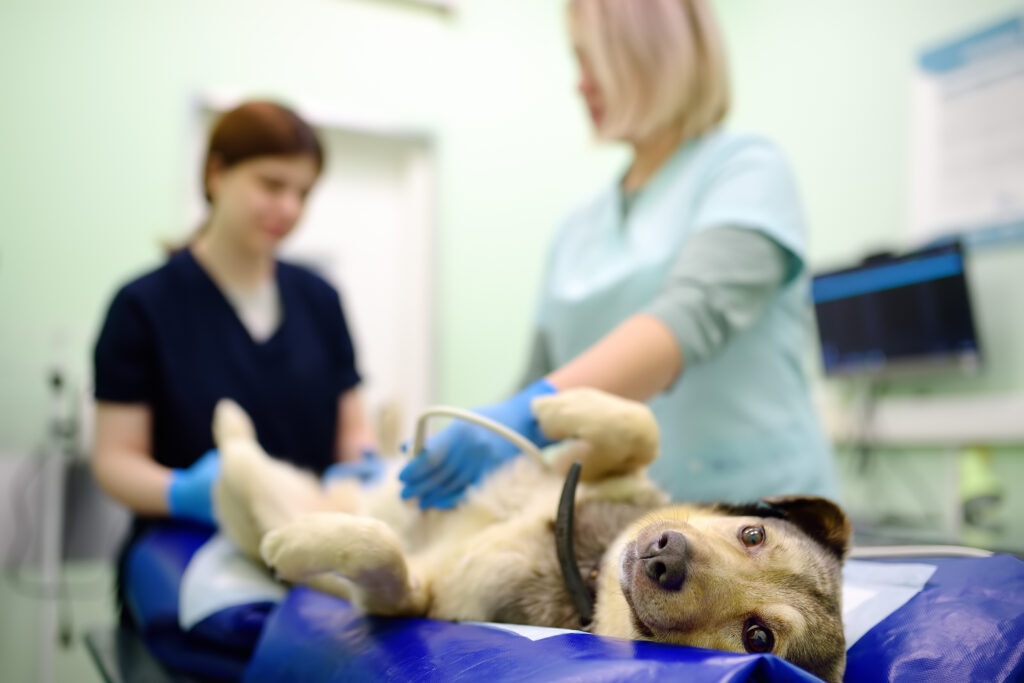
- Ultrasound to examine what’s inside a hernia or if anything nearby is displaced
- Lab tests like blood work and urinalysis to check your dog's overall health before anesthesia and surgery
Note any symptoms your dog has been experiencing, such as straining to go to the bathroom or lack of appetite, so you can tell your vet what’s going on at your dog’s appointment.
Treatment of a Dog Hernia
Surgery is the recommended treatment for most dog hernias.
During surgery, your vet will move the bulging tissue back to its normal position and repair the opening to prevent recurrence. If your dog is born with a hernia or develops one as they grow, your vet may recommend repairing it during your dog’s spay or neuter surgery.
Surgery isn’t always recommended right away.
Your vet may recommend watchful waiting for small, external hernias that don’t cause discomfort or problems. Antacids and other stomach-soothing medications can help some dogs cope with hiatal hernias.
Recovery and Management of a Dog Hernia
Most dogs recover from hernia surgery within about two weeks. If your dog had a more complex procedure, like a diaphragmatic or perineal hernia repair, recovery might take a little longer.
You can help your dog recover by:
- Restricting activity during the post-operative period with a gate or pen, such as the MidWest Wire Dog Exercise Pen.
- Giving pain medications, anti-inflammatories (such as Rimadyl), or antibiotics as prescribed
- Checking the surgical incision daily and keeping it clean and dry
- Protecting the incision using a recovery suit, like this BellyGuard, or a recovery collar, such as this Comfurt Tie-Dye Collar
Prevention of Dog Hernias
Dog hernias are not usually preventable. However, you can lower your dog’s risk of developing one by:
- Getting your dog spayed or neutered
- Addressing signs and symptoms of a hernia right away
- Scheduling routine vet visits
- Keeping your dog on a leash to prevent accidents
Dogs born with umbilical hernias shouldn’t be bred, because this type of hernia is likely genetic, meaning their puppies may also be more likely to develop them.
Dog Hernia FAQs
Does a dog hernia always need surgery?
Veterinarians don’t recommend surgical repair for every dog hernia. If the hernia is small and doesn’t affect your dog’s health, watchful waiting is a reasonable strategy.
Can a dog live with a hernia?
Some dogs can live normally with a hernia. However, large hernias or those involving internal organs can threaten your pet’s health. Have a veterinarian evaluate the hernia to determine whether treatment is needed.
Is a hernia painful for dogs?
Many dog hernias are painless, especially when they are small and easily reducible (can be pushed back in). However, traumatic hernias, large hernias, or those causing tissue strangulation can be painful and may require emergency care.
When is a dog hernia an emergency?
Hernias become emergencies when the herniated organ or tissue loses blood flow, or when a traumatic hernia makes breathing difficult. Seek emergency veterinary attention if your dog has a serious accident or if you notice a previously soft hernia become firm, warm, or painful.
How long does it take a dog to recover from hernia surgery?
Most dogs recover from routine hernia surgery in a few weeks. If your dog’s surgery was more complex, recovery may take longer. Follow your vet’s instructions regarding activity, medications, and follow-ups.
Can dog hernias be prevented?
Some hernias are present at birth. Your dog’s risk of other hernia types depends on breed, age, and genetics, which you can't control. However, you can reduce risk by having your dog spayed or neutered, maintaining general health, and preventing accidents or trauma.
References
Roberts JN. Hernias in Animals. Merck Veterinary Manual. Updated September 2024. https://www.merckvetmanual.com/digestive-system/congenital-and-inherited-anomalies-involving-the-digestive-system/hernias-in-animals
Perineal Hernias. American College of Veterinary Surgeons. Updated June 14, 2024. https://www.acvs.org/small-animal/perineal-hernias/
Lundgren B. Umbilical Hernias in Puppies and Kittens. Veterinary Partner. July 6, 2010. https://veterinarypartner.vin.com/doc/?id=4952951&pid=19239


