Urinary Incontinence in Cats: Causes, Symptoms, and Treatment


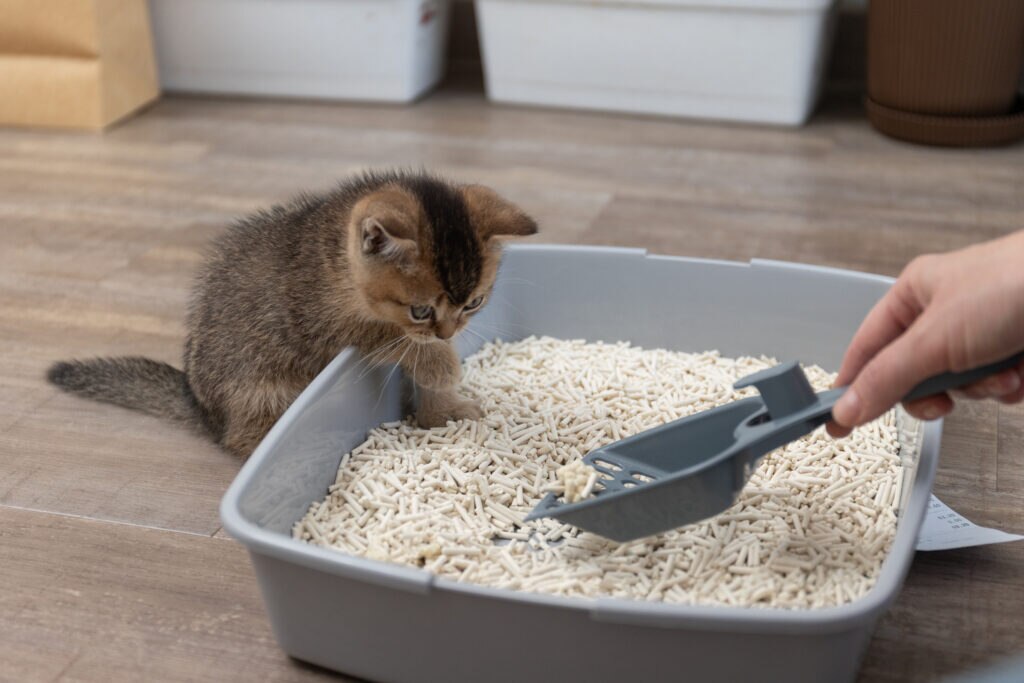
Olga Novikova/iStock/Getty Images Plus via Getty Images
Urinary incontinence in cats is involuntary leakage of urine. A cat with feline incontinence may leak urine without realizing it, including while resting or walking.
Although uncommon in cats, urinary incontinence can signal an underlying health problem.
Key Takeaways
- Urinary incontinence, or leaking urine, is uncommon in cats but may result from another medical condition.
- Causes of feline incontinence include nerve damage, urinary tract infections, and urethral blockages.
- Treatment for incontinence in cats may include medication, surgery, or at-home management.
What Is Urinary Incontinence in Cats?
Urinary incontinence in cats is an involuntary loss of bladder control and leakage of urine.
An incontinent cat can't control when they urinate. Problems with nerves, muscles, or other structures around the bladder can lead to feline incontinence.
Incontinence and house-soiling in cats are different. Incontinence is involuntary leakage, while house-soiling is intentional peeing outside of the litter box.
Cats may do this because of an underlying health or behavioral problem.
Incontinence in cats is a medical emergency if it’s caused by a urethral obstruction. Go to the ER if your cat visits the litter box frequently or cries out while straining to urinate.
Symptoms of Urinary Incontinence in Cats
Signs of urinary incontinence in cats include:
- Urine spots in resting places
- Urine-soaked fur or irritated skin on the back end
- Urine dribbling
- Urine odor on your cat or their bedding
- Frequent licking of the genital area
- Recurring urinary tract infections (UTIs)
It can be hard to distinguish between feline incontinence and other urinary problems, such as infections, behavioral issues, or inflammation.
A veterinarian can help figure out whether the problem is true incontinence or something else.
Causes of Urinary Incontinence in Cats
Several conditions can cause feline incontinence, including:
- Urethral obstruction or stricture: A blockage or narrowing in the urethra can prevent the bladder from emptying, causing overflow leakage.
- Detrusor atony: A bladder that has been overstretched (often from a blockage) may lose its ability to contract and empty, allowing urine to overflow.
- Spinal cord injury or disease: Disc degeneration, spinal tumors, or trauma such as being hit by a car can damage the nerves that control the bladder.
- Increased urine output: Kidney disease, hyperthyroidism, or diabetes can cause so much urine production that incontinence develops.
Less common causes include:
- Urethral sphincter mechanism incompetence (USMI): Occurs when the muscles that keep the urethra closed weaken.
- Ectopic ureters: A congenital defect in which the tubes that carry urine from the kidneys bypass the bladder.
How Veterinarians Diagnose Urinary Incontinence in Cats
Veterinarians look for the cause of urinary incontinence in cats by asking questions about your pet, performing a complete physical exam, and ordering diagnostic tests.
These tests may include:
- Urinalysis and urine culture to look for infection, inflammation, or crystals
- Blood work to rule out kidney disease, diabetes, or other conditions that increase urine volume
- X-rays or ultrasound to look for stones, tumors, or structural problems in the urinary tract
If your primary vet can’t pinpoint the cause, they may refer you to a specialist who might order the following tests:
- Contrast imaging to see details of the urethra and bladder on X-ray or advanced imaging
- Cystoscopy to give the vet a direct view inside the urinary tract with a camera
Treatment of Urinary Incontinence in Cats
Veterinarians may treat urinary incontinence in cats with medication or surgery, depending on the cause.
In some cases, no specific treatment is available.
Medications that may treat some forms of feline incontinence include:
- Prazosin or phenoxybenzamine to relax the urethra in cats with spasms or obstruction
- Bethanechol to help weakened bladder muscles contract better
- Antibiotics, like amoxicillin, to treat infections that may contribute to incontinence
Surgery may be an option for cats with structural problems like ectopic ureters, urethral strictures, a damaged spinal disc pressing on their nerves, or a history of frequent obstruction.
In acutely blocked cats, urinary catheterization is necessary.
Recovery and Management of Urinary Incontinence in Cats
Urinary incontinence in cats that is caused by an infection or blockage may resolve with treatment of the underlying cause.
However, some causes of incontinence are not curable (like Manx Syndrome) and require ongoing treatment or management.
Management strategies may include:
- Placing washable, waterproof pads or blankets, like Paw Inspired Washable Dog Pee Pads, in your cat's favorite resting spots.
- Trimming fur and cleaning the skin around their back end to prevent irritation, with products like Virbac Epi-Soothe Shampoo.
- Keeping extra litter boxes around the house for easy access.
- Giving all medications on schedule and attending follow-up appointments.
- Learning to manually empty, or express, your cat’s bladder if your vet deems this appropriate.
Prevention of Urinary Incontinence in Cats
Urinary incontinence in cats is uncommon and is usually the result from another health issue.
You may not be able to prevent all causes of urine leakage, but you can help your cat stay healthy with these tips:
- Keep your cat at a healthy weight
- Provide plenty of fresh water
- Feed a complete and balanced diet
- Encourage daily play and exercise
- Keep litter boxes clean
- Reduce stress
- Schedule routine checkups
- Seek treatment for urinary concerns
Urinary Incontinence in Cats FAQs
Is urinary incontinence in cats an emergency?
Urinary incontinence can be an emergency if it’s caused by a urethral blockage. Take your cat to an emergency vet if they are also restless, going in and out of the litter box frequently, or straining to urinate.
What is the difference between urinary incontinence and inappropriate urination?
An incontinent cat may leak urine without realizing it. A cat who urinates inappropriately goes outside the litter box on purpose, usually because of a behavioral or medical issue.
Can urinary incontinence in cats be treated?
Many cases of urinary incontinence in cats can be treated or managed, but the specific treatment and expected recovery will depend on the cause. Some cats may fully recover while others may remain incontinent.
Can urinary incontinence in cats go away on its own?
Feline urinary incontinence is unlikely to get better without treatment. Most cases have an underlying medical cause that is likely to continue or worsen without veterinary care.
Is urinary incontinence common in older cats?
Incontinence is uncommon in cats at any age, but older cats may be more susceptible to certain underlying causes. Urinary infections are more likely with older age, as are changes in nerve, muscle, or spine health.
Can stress cause urinary incontinence in cats?
A stressful event or ongoing stress at home can contribute to behavior-related inappropriate urination, urinary obstruction, and other forms of feline lower urinary tract disease (FLUTD) and blockages. Stress does not directly cause feline incontinence, but it may play a role in some cats.
Can female cats develop urinary incontinence?
In dogs, females become incontinent more often than males because of hormone loss after spaying. This type of incontinence is rare in female cats, but they can still develop incontinence from other causes.
References
- Van Vertloo L. Disorders of Micturition in Dogs and Cats. Merck Veterinary Manual. Updated October 2026. https://www.merckvetmanual.com/urinary-system/noninfectious-diseases-of-the-urinary-system-in-small-animals/disorders-of-micturition-in-dogs-and-cats
- Mérindol I, Dunn M, Vachon C. Feline urinary incontinence: a retrospective case series (2009–2019). Journal of Feline Medicine and Surgery. 2022;24(6):506–516. doi: https://doi.org/10.1177/1098612X211033182
- Brooks W. Urinary Incontinence in Dogs and Cats. Veterinary Partner. Revised January 19, 2026. https://veterinarypartner.vin.com/default.aspx?pid=19239&id=4952092