Diabetes in Cats: Signs, Treatment, and Prognosis


matucha/iStock / Getty Images Plus via Getty Images
Diabetes mellitus in cats is an endocrine disease in which the body either doesn’t produce enough insulin or can’t effectively use the insulin it produces.
Diabetes can be a serious condition, but with proper treatment and ongoing veterinary care, affected cats can live long, healthy lives.
Key Takeaways
- Diabetes in cats is a common endocrine condition in which the body doesn't produce enough insulin or can't effectively use the insulin it produces.
- Common signs include increased thirst and urination, appetite changes, weight loss, lethargy, and weakness.
- Diabetic ketoacidosis (DKA) is a dangerous medical emergency that can occur in cats with prolonged high blood sugar.
- Treatment requires ongoing veterinary care and may include insulin, dietary changes, weight management, and monitoring.
- With prompt and proper treatment, cats with diabetes can live long, healthy lives, and some may go into remission.
What Is Diabetes in Cats?
Diabetes in cats is a common endocrine condition in which the body either doesn't produce enough insulin or can't effectively use the insulin it produces.
It's estimated that 0.5–1% of the general feline population has diabetes, and one in 100 cats will develop diabetes in their lifetime.
Types of Diabetes in Cats
There are two types of diabetes in cats: Type I (insulin-deficient diabetes) and Type II (insulin-resistant or non-insulin-dependent diabetes).
- Type I: The pancreas is unable to produce the level of insulin the body needs. This type of diabetes is rarely seen in cats.
- Type II: The pancreas may produce adequate levels of insulin, but the tissues are unable to use it for glucose metabolism. Type II is the most common form of diabetes mellitus in cats.
What Are the Signs of Diabetes in Cats?
Common signs of diabetes in cats include increased thirst and urination, appetite changes, weight loss, lethargy or weakness, and changes in behavior.
Increased thirst and urination are often among the first signs pet parents notice.
Signs of diabetes in cats may include:
- Increased thirst (polydipsia)
- Increased frequency and volume of urination (polyuria)
- Polydipsia and polyuria are often the first signs pet parents notice. You may find yourself filling your cat's water bowl and cleaning the litter box more frequently.
- Urinating outside the litter box: Cats with untreated or unregulated diabetes may have urinary accidents because of increased thirst, high blood sugar levels, and urgency to urinate.
- Increased appetite initially, followed by decreased appetite: Up to 50% of cats with diabetes have a decreased appetite at the time of diagnosis.
- Weight loss, despite a nutritious diet and healthy appetite
- Vomiting
- Muscle wasting
- Lethargy or weakness
- Poor coat quality, including an oily coat or dandruff
- Behavioral changes: Cats with undiagnosed or unregulated diabetes may become irritable or uncharacteristically aggressive. A previously energetic and playful cat may also become lethargic and disinterested.
- Plantigrade stance: Uncontrolled diabetes can damage the nerves in a cat's hind limbs. Instead of walking on their paw pads, affected cats may walk with most or all of the foot touching the ground, known as a dropped hock.
- Diabetic ketoacidosis (DKA): DKA is a dangerous medical emergency that can occur when a cat has high blood sugar for a prolonged period and ketoacids develop in the bloodstream.
DKA can occur with diabetes that has gone undiagnosed for a significant amount of time, concurrent disease such as pancreatitis, or when a cat's insulin treatment is no longer sufficient and a dose change is needed. If not treated swiftly, DKA is fatal.
Many signs of diabetes in cats can also occur with other conditions. Take your cat to your veterinarian to rule out diseases such as kidney disease, hyperthyroidism, or pancreatitis.
What Are the Risk Factors for Diabetes in Cats?
Any cat can develop diabetes, but it is most commonly seen in middle-aged, male cats that are obese.
Diabetes is much more prevalent in cats that weigh more than 9 pounds, directly linking the condition to overweight cats. Certain breeds, such as Burmese cats, have also been reported to have a higher lifetime risk.
Risk factors for diabetes in cats include:
- Obesity
- Lack of physical activity
- Increasing age
- Sex, with males diagnosed more frequently than females
- Being neutered
- Glucocorticoid (steroid) therapy
Medical conditions that may predispose a cat to diabetes include:
- Hyperthyroidism
- Pancreatitis
- Asthma, due to steroid medication use
How Is Diabetes in Cats Diagnosed?
Diabetes in cats is diagnosed based on typical clinical signs along with elevated glucose levels in the blood and urine.
Diagnostic testing may include:
- Blood work to evaluate your cat's blood glucose levels.
- Urinalysis to detect elevated glucose in the urine.
- Serum fructosamine testing to determine whether your cat's blood glucose has been elevated over time, rather than only at the time it was measured in the hospital.
How Is Diabetes in Cats Treated?
Treatment for diabetes in cats typically involves insulin, dietary management, maintaining a lean body weight, and ongoing veterinary care.
Treatment is a lifelong commitment that requires consistent communication with your veterinarian. At the time of diagnosis, your cat may need to be hospitalized for several days until their glucose level is controlled and they are well enough to go home.
Cats with diabetic ketoacidosis (DKA) at the time of diagnosis will likely require an extended hospital stay and intensive care.
The primary goals of diabetes treatment are:
- Restoring normal blood glucose levels
- Reducing or eliminating excessive thirst and urination
- Normalizing weight and appetite
- Avoiding inappropriately low glucose levels
Your veterinarian will develop a treatment plan based on your cat's specific needs. If your cat has concurrent diseases, your veterinarian will recommend treatment for those as well.
Insulin: Insulin is given by injection and helps your cat maintain normal blood sugar levels.
Diet: Your veterinarian may start your cat on a diabetic-friendly diet to help prevent blood sugar changes. A prescription diet for feline diabetes may also help decrease the amount of insulin your cat needs.
Wet food diets are preferred because they are lower in carbohydrates (sugar) and higher in protein. However, your veterinarian may recommend a mixture of wet and dry food depending on your cat's preference.
Weight and exercise: Maintaining a lean body weight is also part of treating diabetes in cats. Portion control and increased exercise can help.
How Much Does Cat Diabetes Treatment Cost?
The cost of treating diabetes in cats varies depending on your cat's insulin needs, diet, veterinary care, lab testing, and location. Initial treatment costs are typically higher than ongoing maintenance costs.
Treatment costs may include:
- Veterinary visits to monitor insulin levels, both routinely and when your cat isn't feeling well
- Blood and urine testing
- Insulin and syringes
- Prescription diabetic cat food
Estimated costs include:
- Insulin: $25–$100 per vial, depending on the amount, brand, and formulation. Each vial is usually good for one month.
- Veterinary visits: $30–$120, depending on location.
- Blood and urine testing: $50–$100.
- Prescription diabetic cat food: Upwards of $60 for a case of canned food, while a small bag of dry food typically starts around $25.
What Is the Prognosis for Cats With Diabetes?
Cats with diabetes can live long, healthy lives when the condition is treated promptly and properly. In some cases, diabetic cats may even go into remission.
Cats that develop diabetic ketoacidosis or have their kidney enzymes affected usually have a worse prognosis. Other illnesses can also complicate regulation of your cat's diabetes and affect their long-term prognosis.
Diabetes can be fatal when left untreated. Dangerously high blood sugar over a sustained period can cause suffering and is ultimately fatal.
How To Care for a Diabetic Cat at Home
Caring for a diabetic cat requires consistent monitoring, insulin management, nutrition and weight management, exercise, and communication with your veterinarian.
Monitoring Your Cat's Glucose Levels
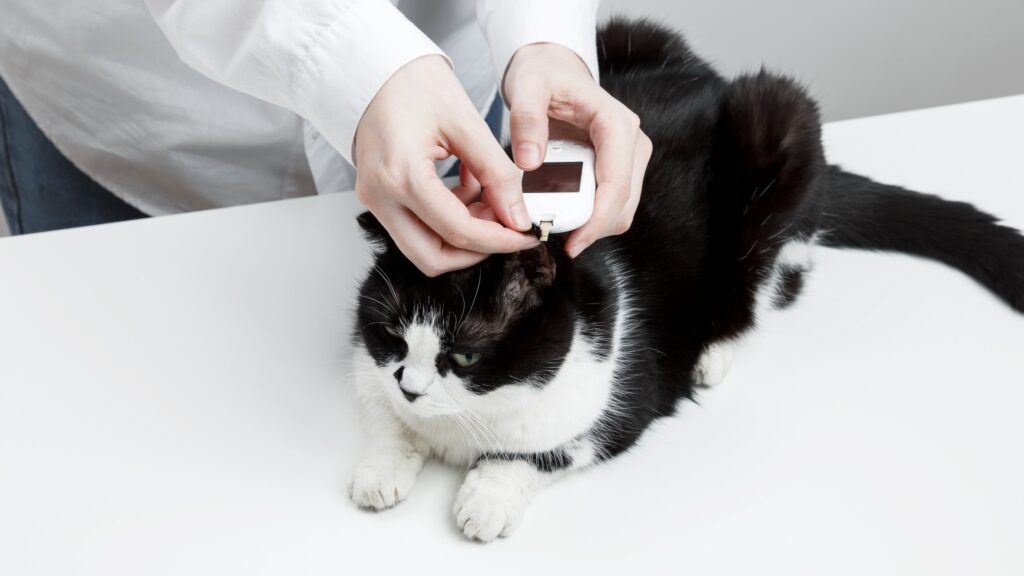
At-home blood glucose monitoring is important for monitoring your cat's glycemic control long-term. This typically involves pricking the inside of your cat's ear and using a glucometer like AlphaTRAK®.
Glucose can also be monitored less invasively by measuring glucose levels in the urine, although this method is not as accurate as blood measurements.
Not all cats tolerate blood glucose monitoring at home. Your veterinarian will work with you to determine the monitoring method that works best for you and your cat.
Monitoring for Low Blood Sugar
One of the most serious risks of managing a diabetic cat at home is hypoglycemia (low blood sugar).
Hypoglycemia can occur even if you give the appropriate insulin dose—or less than the appropriate dose—prescribed by your veterinarian.
Strictly follow your veterinarian's instructions and schedule for feeding and giving insulin. Never administer a full dose of insulin to your cat if they are not eating.
Managing Your Cat's Diet and Weight
Nutrition is an important part of managing diabetes in cats. Your veterinarian may recommend a diet change to help regulate your cat's glucose levels and promote weight loss, as obesity can complicate diabetes management.
Once you've identified a nutritional plan that works for your cat, maintain a strict feeding schedule. Don't change your cat's diet without consulting your veterinarian first.
Providing Appropriate Exercise
Keeping your cat physically active is another important part of helping them achieve a healthy weight.
Keeping a Daily Log of Your Cat's Health
Keep a daily log of your cat's:
- Diet
- Glucose test results
- Daily insulin dose
- Weekly body weight
Tracking this information can help you identify trends and recognize when your cat deviates from their regular pattern. Bring any changes in these patterns to your veterinarian's attention.
Diabetes in Cats FAQs
What are the first signs of diabetes in cats?
Increased thirst and increased urination are often among the first signs of diabetes noticed in cats. Pet parents may find themselves filling the water bowl or cleaning the litter box more frequently.
Can cats with diabetes live a normal life?
Yes. Cats with diabetes can live long, healthy lives when the condition is treated promptly and properly.
Can diabetes in cats go into remission?
Yes. According to the article, some diabetic cats may go into remission. Your veterinarian will determine your cat's ongoing treatment and monitoring needs.
How is diabetes diagnosed in cats?
Veterinarians diagnose diabetes using clinical signs along with elevated glucose levels in the blood and urine. A serum fructosamine test may also be used to determine whether blood glucose has remained elevated over time.
What happens if diabetes in cats is left untreated?
Untreated diabetes can lead to dangerously high blood sugar and serious complications. Cats may develop diabetic ketoacidosis (DKA), a potentially fatal medical emergency.


