Itchy Dog? Itch Relief for Dogs and When To Call Your Vet


Thiradech/iStock/Getty Images Plus via Getty Images
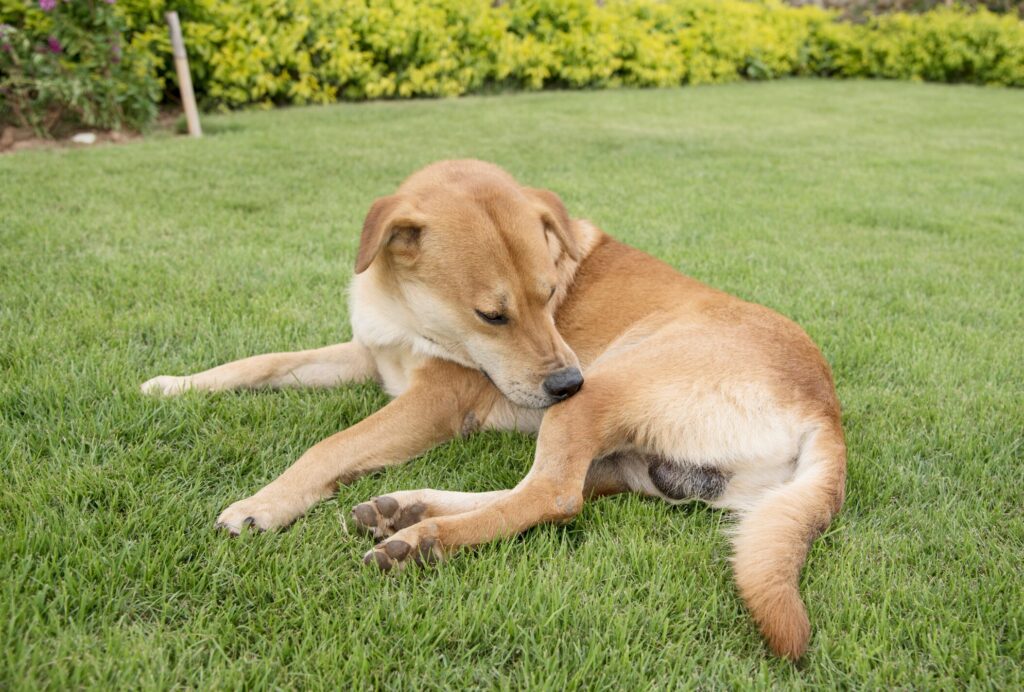
At some point you’ve probably asked yourself, “Why is my dog itching so much?”
Dogs scratch, lick, chew, or rub their skin for many reasons—most commonly allergies, parasites, infections, or contact irritants.
Treatment depends on what’s driving the itch. For example, environmental allergies (such as seasonal allergies) are often managed with prescription anti-itch medications like Zenrelia. Flea infestations require effective parasite control, while bacterial or fungal infections are treated with medications that eliminate the infection and soothe inflamed skin.
Key Takeaways
- Itching (pruritus) in dogs has many causes, from environmental triggers to parasites and infections.
- Itch relief for dogs should be aimed at treating the underlying problem.
- Home care can help mild itch, but persistent or severe cases need a vet examination.
- Make an appointment with your vet if your dog has hair loss, red skin, open sores, or intense discomfort.
What Causes Itchy Skin in Dogs?
Dogs may show itchiness due to several common health issues, including:
-
Allergies to environmental triggers like pollen, mold spores, and dust mites
-
Contact dermatitis, a reaction to irritants like detergents or fertilizers
-
Skin parasites like fleas, ticks, lice, and mange mites. Bug bites (mosquitoes, for example) can also make dogs itchy.
-
Allergic reactions to food ingredients, which can also lead to diarrhea, vomiting, and other signs of digestive upset
-
Skin infections and ear infections—bacteria or fungi may be to blame
Home Remedies for a Mildly Itchy Dog
If itchiness is mild and not accompanied by severe symptoms, try these first:
-
Check the skin and coat for fleas, ticks, or obvious issues. If you see an attached tick, you can remove it at home. Do you see lots of fleas? Good flea treatments like K9 Advantix II and Frontline Plus are available over the counter. Oral flea treatments, such as Capstar, can also be used to kill fleas quickly.
-
Bathe your dog with a soothing, vet-approved shampoo. Shampoos like Douxo S3 CALM or Earthbath Oatmeal & Aloe Fragrance Free Dog & Cat Shampoo will both soothe your dog’s skin and remove irritants or allergens from their coat.
-
Offer omega-3 fatty acid supplements. Such supplements can help support skin health.
When To Call Your Vet About an Itchy Dog
Make an appointment with your veterinarian if home treatments aren’t effective for your dog.
Don’t try treating your pet at home if your dog has:
-
Hair loss, very red or inflamed skin, or sores
-
Signs of infection (odor, oozing)
-
Persistent intense scratching that doesn’t improve
-
Signs of anaphylaxis, which include sudden vomiting, diarrhea, facial swelling, and difficulty breathing—this constitutes a medical emergency
These signs suggest a deeper issue that needs professional diagnosis and treatment.
Health Tools
Get quick answers with our vet-created Symptom Checker
How Vets Diagnose the Cause of an Itchy Dog
Your veterinarian will start looking for the cause of your dog’s itching by doing a thorough physical examination and asking you some questions, such as:
-
Is your dog on parasite prevention? What kind and how often do you use it?
-
When did you first notice your dog’s itchy skin? Is it getting better or worse, or is it about the same?
-
Is your dog itchy all the time or just during certain seasons?
-
Have you tried any home remedies, and have they worked?
-
Are other pets or people in the home also itchy?
-
Have you noticed any other symptoms?
At this point, your vet may be able to recommend treatment, but more testing could also be needed. This can include:
-
Skin scrapings to look for mange mites
-
Skin cytology to find infections
-
Fungal cultures for ringworm
-
A health workup including blood work, urinalysis, and fecal examination
Most of the time, a veterinarian will start with the simple, inexpensive tests and only move on to other testing if your dog doesn’t respond well to treatment.
Treatment for an Itchy Dog
Whenever possible, itch relief for dogs should be aimed at the underlying problem:
-
Environmental allergies: Treatment for environmental allergies can involve prescription medications like Zenrelia. A single daily dose of Zenrelia can help to quickly relieve itching in dogs over 12 months old.
-
Along with medications like Zenrelia, your vet may also recommend baths, immunotherapy (allergy shots or drops), omega-3 fatty acid supplements, or antihistamines.
-
-
Contact dermatitis: Removing or avoiding the irritant causing the reaction is key, along with medications to control itching and inflammation, and topical therapies to help soothe and heal the skin.
-
Parasites (fleas, ticks, mites, and lice): These can be removed with the right parasiticides. Your veterinarian can help you pick out the best medication for your dog.
-
Food allergies: Food allergies are managed with a diet that doesn’t contain the dog’s specific allergen, which is typically a protein. Veterinary diets are needed for a diet trial of eight to 12 weeks.
-
Bacterial and fungal infections: Infections are often treated with medicated baths and with prescription antibiotics or antifungal medications.
How To Prevent Itchy Skin in Dogs
Keeping a dog’s skin as healthy as possible can go a long way toward keeping them itch-free. Ways you can prevent itchy skin in dogs include:
-
Feed a nutritious, balanced diet
-
Consider an omega-3 fatty acid supplement
-
Bathe and brush your dog as needed to keep their coat clean and to prevent mats and tangles
-
Use an effective, broad-spectrum parasite preventive year-round
Look over your dog’s coat and skin very well at least once a month. This will help you catch any problems that do develop early—when itch relief for dogs can help the most.
Itchy Dog FAQs
What can I do to relieve my dog’s itchiness?
Closely check your dog’s skin to see if you can find any obvious problems like fleas. A soothing dog shampoo may also help, but speak to your veterinarian if the itching continues.
Why is my dog so itchy but there are no fleas?
Fleas may still be to blame for a dog’s itching even if you can’t see them. It can take just one bite to make a dog with flea bite allergies extremely itchy.
Other common causes for dog itchiness include environmental allergies, food allergies, other parasites (like mange mites), and bacterial or fungal infections.
What can I give my dog if they’re itchy?
Whenever possible, it’s best to treat the underlying cause of a dog’s itching, but sometimes symptomatic treatment is needed too.
Bathing your dog—particularly using a vet-approved calming shampoo and offering omega-3 fatty acid supplements—can reduce itching in dogs.
What’s the most common reason dogs itch?
Allergies, parasites (especially fleas), and infections are among the most common causes of itchiness in dogs.
When is itching urgent?
If you see hair loss, very red skin, open wounds, or your dog seems miserable—contact your vet promptly. Anaphylaxis, which is a severe allergic reaction that causes sudden vomiting, diarrhea, and difficulty breathing, is a medical emergency.


