Pollen Allergies in Dogs: Symptoms and How To Treat Them



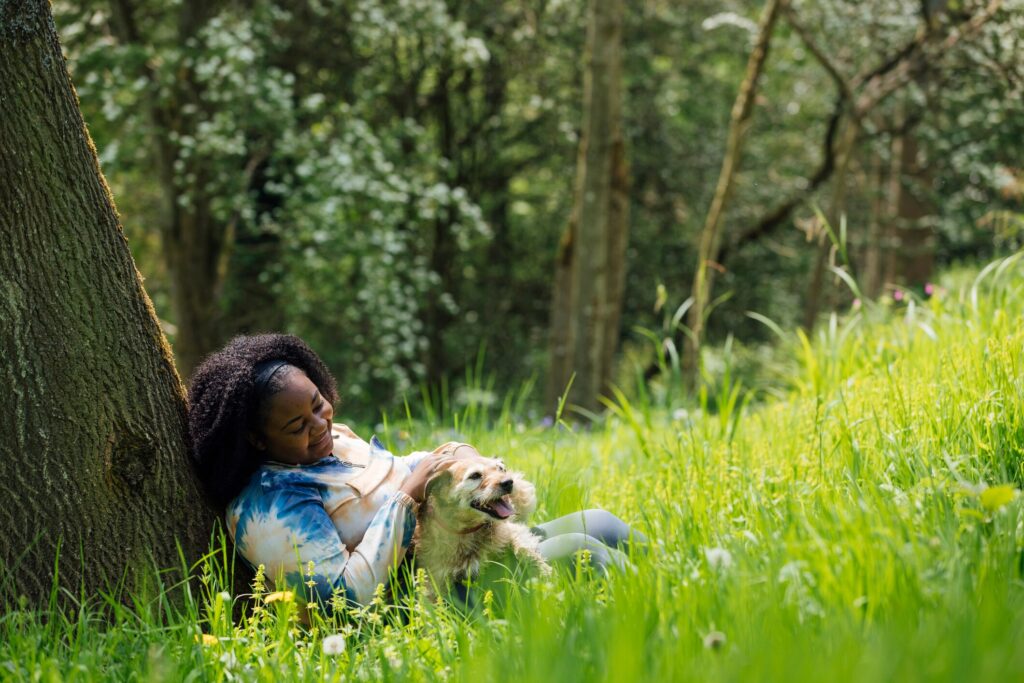
SolStock/E+ via Getty Images
Pollen allergies in dogs are a common form of environmental allergy that can cause itching, skin inflammation, sneezing, and ear infections—especially during high-pollen seasons like spring and fall.
These allergies develop when a dog’s immune system overreacts to pollen from trees, grasses, or weeds. While they can’t be cured, symptoms can be managed effectively with veterinary care.
Key Takeaways
- Pollen allergies are the most common form of seasonal allergies in dogs.
- They are caused by exposure to pollen from blooming plants.
- Symptoms of pollen allergies in dogs include itching, watering eyes, sneezing, skin redness, and ear infections.
- Treatment focuses on reducing exposure to allergens and managing symptoms with medications.
What Are Pollen Allergies in Dogs?
Pollen allergies are the most common cause of seasonal allergies in dogs. Pollen consists of tiny particles released by trees, grasses, flowers, and weeds. These particles travel through the air and can settle on your dog’s skin and coat.
When a dog inhales pollen or ingests it while grooming, their immune system may mistakenly see it as a threat. This overreaction triggers allergy symptoms such as itching, redness, and inflammation.
Pollen levels vary by region and season, but they often peak in the spring and fall. Different plants bloom at different times of year, which is why some dogs flare up in one season but not another.
Causes of Pollen Allergies in Dogs
Like other allergies, pollen allergies are caused by an overreactive immune system that mistakes the pollen “invaders” for a real threat.
In response to the presence of pollen, the immune system mounts an attack, which causes the visible symptoms you see in your dog. Symptoms will appear as the immune system tries to get rid of the offending substance.
The exact reason why pollen allergies develop in some dogs and not in others is not fully understood, but there’s likely a genetic component that makes some dogs more vulnerable than others.
Breeds more prone to dog pollen allergies include:
The United States is broken up into different allergy zones, based on the type of plants and trees that live in those regions.
Midwestern and Southern states regularly top the allergy charts, including:
-
Kansas
-
Oklahoma
-
North Carolina
-
Texas
Parts of Florida, Pennsylvania, and South Carolina also have high pollen counts.
The Rocky Mountain region—including Utah and Colorado—tends to have lower amounts of pollen compared with other states.
Pet parents who move from one state to another may see a change in their dog’s allergies as they alter the dog’s exposure to the triggering pollen.
How Veterinarians Diagnose Pollen Allergies in Dogs
Diagnosing pollen allergies in dogs isn’t based on a single test. Instead, veterinarians use a combination of your dog’s medical history, physical exam findings, seasonality of symptoms, and diagnostic testing to rule out other causes of itching before confirming environmental allergies.
Medical History and Exam
Pollen allergies are often diagnosed based on a dog’s medical history and a physical exam performed by your vet. Your vet will review when symptoms occur (such as spring or fall flare-ups) and look for signs like red skin, hair loss, ear infections, or nasal discharge. Seasonal itching often points to environmental allergies.
Ruling Out Other Causes
Because parasites and infections can mimic allergies, your vet may check for:
-
Mites (via skin scraping)
-
Secondary skin infections
Allergy Testing
The most accurate test for environmental allergies in dogs is intradermal allergy testing, typically performed by a veterinary dermatologist. This involves shaving a patch of fur then exposing your dog to small amounts of allergens. The skin is assessed after 30 minutes to see if there has been any reaction. Treatment is designed for your dog based on these results.
In private practice, some veterinarians may elect to run blood work to look for antibodies to various allergens. While this method is not as accurate as intradermal skin testing, it can help narrow down which pollens may be triggering your pet’s immune system.
Treatment of Pollen Allergies in Dogs
Pollen allergies are treated in several ways, depending on the severity of the reaction and the amount of exposure to the allergen.
Medications for Pollen Allergies
Mild allergies are often managed seasonally with antihistamines. Depending on your pup’s symptoms, over-the-counter (OTC) medications like Benadryl and Zyrtec may be recommended by your vet.
For allergies that cause skin symptoms, your vet may recommend prescription medications, such as Zenrelia. The once-daily pill works fast to control allergic itching and reduce inflammation in dogs over 12 months old. It can be used for both short-term flare-ups and long-term allergy management.
Other prescription medications include Apoquel, Cytopoint, and steroids.
Always speak with your vet first before giving your dog a new medication. Never give a human medication to a dog unless your vet has recommended it.
Allergy Immunotherapy
If you decide to have your pet tested to determine which type of pollen they’re allergic to, allergy shots (immunotherapy) can be specifically tailored for them.
These injections work by a process called hyposensitization (or allergy desensitization), where your dog’s immune system is exposed to microdoses of the allergen that gradually increase over time to build tolerance.
Supportive Supplements and Specialty Diets
Supplements and veterinary diets may be beneficial to dogs with allergies.
Omega-3 fatty acids aid in boosting the natural barrier function of the skin. Supplements like Vetoquinol Omega, Nutramax Welactin, and Dechra EicosaDerm all contain omega-3s and are easy to administer to dogs.
Some veterinary diets, like Hill’s Derm Complete, are fortified with skin-supporting ingredients to help make pollen allergies more manageable year-round.
Topical Therapy
Topical therapy can also be useful for reducing pollen allergies. Medicated shampoos, like Douxo S3 shampoo and KetoChlor medicated shampoo, can help to reduce yeast and bacteria on the skin to reduce the risk of a secondary infection.
Ear infections also occur frequently in dogs with allergies. Regular ear cleaning with canine ear cleansers like EpiOtic can help reduce the frequency of ear infections.
Recovery and Management of Pollen Allergies in Dogs
Pollen allergies in dogs are managed rather than cured.
Once you’ve identified which season affects your pet the most, your vet may recommend starting allergy medications right before the plants in that season start to bloom.
Dogs with year-round allergies or allergies to multiple pollens may need to be on regular allergy oral medications or injections for life.
Untreated allergies may lead to secondary skin infections and considerable discomfort.
If you are waiting to see your veterinarian so they can prescribe allergy medication for your dog, consider using a recovery cone in the meantime. This is to prevent your dog from licking and chewing themselves and causing hot spots, as well as other self-trauma.
Prevention of Pollen Allergies in Dogs
Dog pollen allergies are prevented by reducing exposure to the allergen.
Short of moving, however, there are ways you can reduce the amount of pollen in your dog’s life, such as:
-
If your dog is allergic to grass pollen, wipe down their feet and undercarriage with a dog-safe wipe after they come in from being outside.
- Keeping your pet cool and indoors can reduce flare-ups.
-
Regular bathing every two to four weeks may reduce pollen on their skin and coat.
-
Using an air purifier with a high-quality HEPA filter may aid in reducing pollen count in the home that is brought inside on skin and clothing.
- Wash all your pet’s bedding regularly to minimize accumulation on surfaces they come into regular contact with.
Pollen Allergies in Dogs FAQs
Are pollen allergies the most common type of seasonal allergies in dogs?
Yes, pollen allergies are the most common type of seasonal allergies in dogs. Tree, grass, and weed pollen are all among the most common triggers for dog pollen allergies.
What are the worst months for dog pollen allergies?
The worst months for dog pollen allergies depend on where you live and what specific pollens your dog is allergic to, but symptoms are typically most severe in the spring and fall.
What medications are prescribed for pollen allergies in dogs?
Common medications prescribed for pollen allergies include antihistamines, steroids, Zenrelia, Apoquel, and Cytopoint. Your veterinarian can provide the best recommendation for your individual dog.


