Hyperglycemia in Dogs: Diagnosis, Symptoms, and How To Help Your Dog


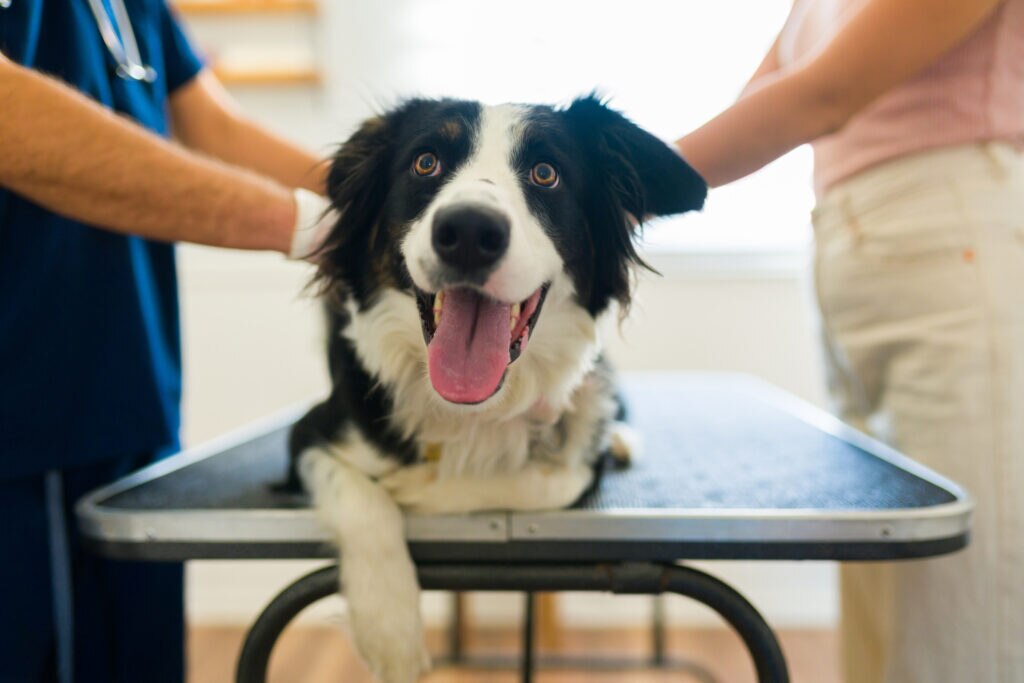
Antonio_Diaz/iStock/Getty Images Plus via Getty Images
A healthy dog’s blood sugar level is maintained within a narrow range, primarily through a negative feedback mechanism managed by the pancreas.
With hyperglycemia in dogs, the pup’s blood sugar is too high.
Key Takeaways
- Hyperglycemia in dogs is high blood sugar, usually caused by diabetes.
- Symptoms include excessive thirst, frequent urination, weight loss, and lethargy.
- Treatment depends on the cause and often involves lifelong insulin therapy and dietary management.
What Is Hyperglycemia in Dogs?
Hyperglycemia is the medical word for high blood sugar.
The normal range for a dog’s blood sugar is around 80–120 mg/dL, though some laboratories may have slightly different reference ranges.
In healthy dogs, the pancreas normally releases the hormone insulin as a response to increases in blood sugar levels.
Insulin helps take glucose into the body’s cells, and excess glucose is stored within the liver as glycogen.
If blood sugar is low, the pancreas releases the hormone glucagon, which signals the liver to break down stored glycogen back into glucose.
Blood sugar might become too high for several reasons:
- The body doesn’t make enough insulin.
- The body is resistant to insulin.
- The body is producing elevated levels of stress hormones like cortisol, which may block insulin and cause glycogen release.
The most common cause of hyperglycemia in dogs is diabetes.
Type 1 diabetes is more common than type 2 in dogs. Type 1 diabetes occurs when the pancreas doesn’t make enough insulin to adequately control blood sugar levels. Type 2, which is the more common form in people, is caused by insulin resistance.
Elevated blood sugar is not usually a medical emergency in dogs. You may notice symptoms like excessive drinking and urination, which prompt a veterinary visit.
If diabetes goes unnoticed, the dog can develop diabetic ketoacidosis (DKA).
This is a life-threatening medical emergency in which a lack of insulin causes the body to break down fat, creating ketone bodies for energy.
These ketone bodies make the body more acidic, which affects the body’s fluid and electrolyte balances. Untreated, this is fatal.
Symptoms of Hyperglycemia in Dogs
The symptoms of hyperglycemia in dogs include:
- Excessive thirst
- Excessive urination
- Weight loss despite normal or increased appetite
- Lethargy
- Increased frequency of urinary tract infections (UTIs)
- Cloudy eyes due to cataract development
Causes of Hyperglycemia in Dogs
The most common causes of high blood sugar in dogs are:
- Diabetes, usually type 1
- Hyperadrenocorticism, also called Cushing’s disease
- Pancreatitis
- Long-term steroid use
Rarely, other things like pancreatic cancer or sepsis can cause high blood sugar in dogs.
Dog breeds prone to diabetes, Cushing’s disease, or pancreatitis are more likely to have high blood sugar.
Examples include:
These conditions tend to develop in middle-aged to older dogs.
How Veterinarians Diagnose Hyperglycemia in Dogs
Your veterinarian will diagnose high blood sugar by measuring the level of sugar in the blood.
High blood sugar is usually determined with routine blood work. Urine testing may also show glucose in the urine.
The tests your veterinarian may order include:
- Routine blood and urine testing: These tests will show high levels of sugar in the blood, as well as glucose in the urine.
- Serum fructosamine test: This blood test measures the average blood sugar levels over the past 7 to 14 days. This confirms whether blood glucose has been persistently high.
- Low-dose dexamethasone suppression test (LDDST) or ACTH stimulation test: These tests are used to detect Cushing’s disease. LDDST is the preferred diagnostic.
- Specialized canine pancreatic lipase (Spec cPL) or SNAP cPL test: These tests help detect pancreatitis.
- Abdominal X-rays and/or ultrasound: These tests may be suggestive of pancreatitis or other conditions that could contribute to changes in blood sugar.
Pet owners should make sure to speak with the veterinarian about whether their pet needs to be fasted prior to testing.
Because dogs with high blood sugar are prone to urinary tract infections, as well as more frequent urination, pet parents should also let the veterinarian know if they’ve noticed any changes to the dog’s urinary habits.
Treatment of Hyperglycemia in Dogs:
Treatment of hyperglycemia in dogs is aimed at addressing the underlying cause. In most cases, this is going to be diabetes management.
Treatments for diabetes include:
- These are injected under the skin, usually twice a day. It’s important to follow the veterinarian’s instructions as far as dosing, frequency, and timing.
- Dietary changes: Veterinary diets or low-carbohydrate diets may be recommended for dogs with diabetes.
If diabetic ketoacidosis is suspected, the dog will need to be hospitalized to allow for precise management of electrolyte levels, fluid therapy, and insulin management.
Cushing’s disease is usually managed with trilostane, given once or twice per day.
If pancreatitis is severe, the dog may need to be hospitalized for supportive care. Supportive care may include:
- Intravenous (IV) fluid therapy
- Antinausea medications like maropitant citrate or ondansetron
- Pain management (often opioids)
- Low-fat veterinary gastrointestinal (GI) diets
Most causes of hyperglycemia in dogs are not curable and require lifelong management.
Recovery and Management of Hyperglycemia in Dogs
Both type 1 diabetes and Cushing’s disease require lifelong management.
For dogs with diabetes, this usually means insulin and diabetic or high-fiber diets.
For Cushing’s disease, this usually means trilostane.
For high blood sugar caused by pancreatitis, the need for insulin therapy may decrease and eventually stop altogether. However, some dogs will need to remain on a low-fat diet to prevent recurrence.
Prevention of Hyperglycemia in Dogs
The following steps may help decrease the risk of developing hyperglycemia:
- Keep your dog at a healthy weight.
- Feed your dog a balanced, complete diet.
- Avoid feeding table scraps, especially fatty foods like meat trimmings.
- Ensure your dog gets adequate exercise, which is about 30 minutes per day but may vary depending on your dog’s breed and individual health.
- See your pet’s veterinarian for regular wellness exams that include screening labs.
Hyperglycemia in Dogs FAQs
How is hyperglycemia in dogs treated?
The underlying cause of hyperglycemia must be addressed. In most cases, this is type 1 diabetes, which is mostly managed with lifelong insulin therapy and prescription diets.
How long can a dog live with high glucose levels?
How long a dog lives with high glucose levels depends, to some degree, on how elevated those levels are.
Mild increases may not have much of an effect on a dog’s quality of life. High levels can cause potentially fatal diabetic ketoacidosis, which can develop in days to weeks in dogs with severe diabetes. Persistently high levels should be controlled with insulin.
How can I lower my dog's blood sugar?
If your dog has high blood sugar, it is best to follow your veterinarian’s recommendations to lower their blood sugar. These recommendations will likely include insulin therapy and dietary management.
What glucose level is too high for a dog?
Normal glucose is under 120 mg/dL, though reference ranges may be slightly different depending on the laboratory your veterinarian uses.


