Arthritis in Dogs: Symptoms, Causes, and Treatment


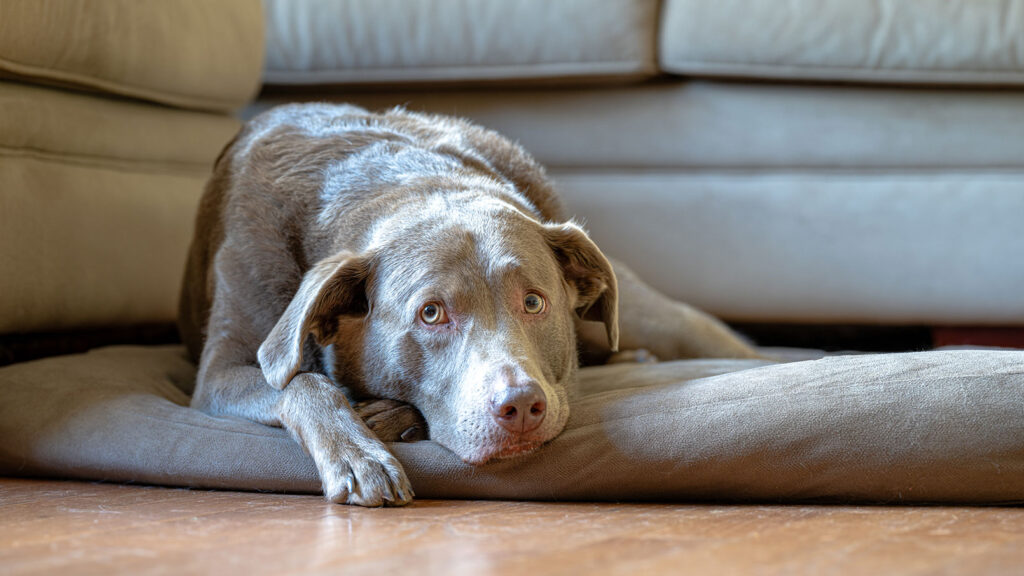
UA-Visions/iStock/Getty Images Plus via Getty Images
Arthritis is the progressive deterioration of joints resulting in pain and inflammation. Affected dogs experience mobility issues, such as limping and stiffness.
Arthritis in dogs is treated with medications, supplements, weight management, and supportive therapies. Pet parents also can make adjustments to the home environment like adding an orthopedic bed or using dog ramps to ensure their dog’s comfort.
Key Takeaways
- Dog arthritis is a degenerative joint condition causing pain and discomfort.
- Common signs of arthritis in dogs include stiffness after resting, limping, bunny hopping, and swollen joints.
- Dog arthritis treatment consists of oral or injectable medications, joint supplements, weight management, and supportive therapies.
- Feeding a high-quality diet, starting joint supplements early, and keeping dogs at optimal weights can reduce the risk for arthritis.
What Is Arthritis in Dogs?
Arthritis in dogs refers to a degenerative and inflammatory condition affecting the joints. The cartilage that normally cushions joints begins to break down and bones within the joint begin rubbing against one another when the dog moves or walks. This creates pain, discomfort, and more inflammation.
It is a chronic and progressive incurable condition that requires lifelong management to keep dogs comfortable.
Types of Canine Arthritis
There are a few different types of arthritis in dogs, which include the following:
- Osteoarthritis: This is the most common form and is caused by inflammation and breakdown of the joints.
- Septic arthritis: This is caused from a bacterial infection in the joints occurring after surgery, injury, or a whole-body illness.
- Rheumatoid arthritis: This form results from an autoimmune condition where the joints are attacked by the dog’s own immune system.
- Non-erosive immune-mediated polyarthritis: An overactive immune system creates inflammation and swelling within the joints leading to arthritis.
What Are the Signs of Arthritis in Dogs?
Common signs of arthritis in dogs involve changes in movement, such as limping, stiffness, and reluctance to jump. Other signs may be less obvious, such as irritability or lethargy.
Dog arthritis symptoms may include:
- Limping
- Stiffness, especially after resting
- Bunny hopping (both hind legs move together when walking)
- Difficulty climbing stairs
- Behavioral changes, such as irritability
- Lethargy
- Swollen joints
- Shifting weight when walking
- Reluctance to jump
What Causes Arthritis in Dogs?
Dog arthritis results from joint degeneration and resulting inflammation. This can occur due to a variety of reasons, which may include:
- Hip or elbow dysplasia
- Aging
- Obesity
- Traumatic injury, such as a leg fracture
- Joint ligament injuries, such as a cruciate rupture
- High-impact exercise
- Joint infections
- Genetics
How Do Vets Diagnose Arthritis in Dogs?
Veterinarians diagnose arthritis using a combination of a physical exam, thorough history, and diagnostic testing.
A veterinarian will start with a complete head-to-toe assessment of your dog. Your dog’s gait will be observed and all of their legs will be thoroughly examined. You should let your veterinarian know if your dog has had any recent injuries, when symptoms began, and what medications they are currently taking.
Generally, during a physical exam, a veterinarian can diagnose arthritis due to the stiffness in the limbs and the way the joints feel when moved back and forth. However, to confirm a diagnosis a veterinarian can take a radiograph (X-ray) of the affected areas, such as the legs or the hips.
How Is Dog Arthritis Treated?
Arthritis canine treatment focuses on controlling symptoms and slowing the progression of disease. A combination of medications, diet, supplements, and supportive therapies are beneficial for dogs with arthritis.
Medication
Oral and injectable medications can be used to control pain and inflammation, stimulate cartilage repair, and lubricate joints. Potential medications that can be prescribed include:
- Nonsteroidal anti-inflammatory drugs (NSAIDs), such as Galliprant (grapiprant tablets) or meloxicam. Given once daily, Galliprant targets a specific receptor in the body to control pain and inflammation in dogs with osteoarthritis. It may reduce the impact on organs compared with traditional NSAIDs.
Weight Management
Dogs with arthritis should be at an optimal weight to avoid putting additional strain on their joints. Speak with your veterinarian about therapeutic diets that can help with weight management. Diet options to consider include Hill’s r/d Weight Management and Royal Canin Adult Weight Control.
Supplements
Dog joint supplements like Dasuquin contain ingredients such as glucosamine, chondroitin, and MSM to support healthy joint fluid and cartilage to improve your dog’s mobility. Omega-3 fatty acids have also been used to reduce joint inflammation.
Supportive Therapies
Dogs with arthritis may benefit from physical therapy, laser therapy, massage, and acupuncture to reduce pain and discomfort. These therapies can improve mobility by helping to reduce inflammation and strengthen muscles.
How To Help a Dog With Arthritis at Home
Pet parents may need to make some adjustments to the home environment to help their arthritic dogs stay safe. You may consider doing the following:
- Give your dog extra support when resting with an orthopedic dog bed.
- Use pet gates to prevent your dog from going up and down stairs.
- Use pet ramps to help your dog into the car or onto elevated surfaces.
Prevention of Arthritis in Dogs
Arthritis is not fully preventable in dogs because it develops from a variety of underlying factors, including genetics. However, pet parents can take steps to support healthy joints in their dogs and lower the risk of arthritis by doing the following:
- Ensure your dog receives regular veterinary well care to support overall well-being and to identify health concerns early.
- Feed your dog a high-quality, vet-recommended commercial dog food to support healthy nutrition.
- Measure your dog’s meals each day and limit treats to prevent obesity.
- Provide consistent exercise to strengthen muscles so that joints are well-supported.
Dog Arthritis FAQs
What is the best thing for dogs with arthritis?
There is not one single thing that is best for dogs with arthritis. Arthritic dogs benefit from a multimodal approach to treatment, which means a combination of medications, supplements, therapeutic diets, physical therapies, and other supportive care.
How long will a dog with arthritis live?
Dogs with arthritis can live normal lifespans with appropriate treatment to slow disease progression and maintain their comfort. Their quality of life is the most important consideration, and a veterinarian can work with you to make sure your dog remains comfortable.
What is the best dog food for joint health??
There are various dog foods available that are formulated for joint health. Therapeutic diets containing glucosamine, chondroitin, and omega-3 fatty acids are recommended as they are specially formulated to help support dogs with arthritis and have undergone scientific studies to ensure safety and efficacy.
How painful is arthritis for dogs?
Arthritis can cause significant pain and discomfort for dogs. When the cartilage within joints breaks down, bones rub against one another which creates inflammation and pain. Dogs with arthritis need treatment to ensure their comfort.


