Why Is My Dog Limping?
SPONSORED BY


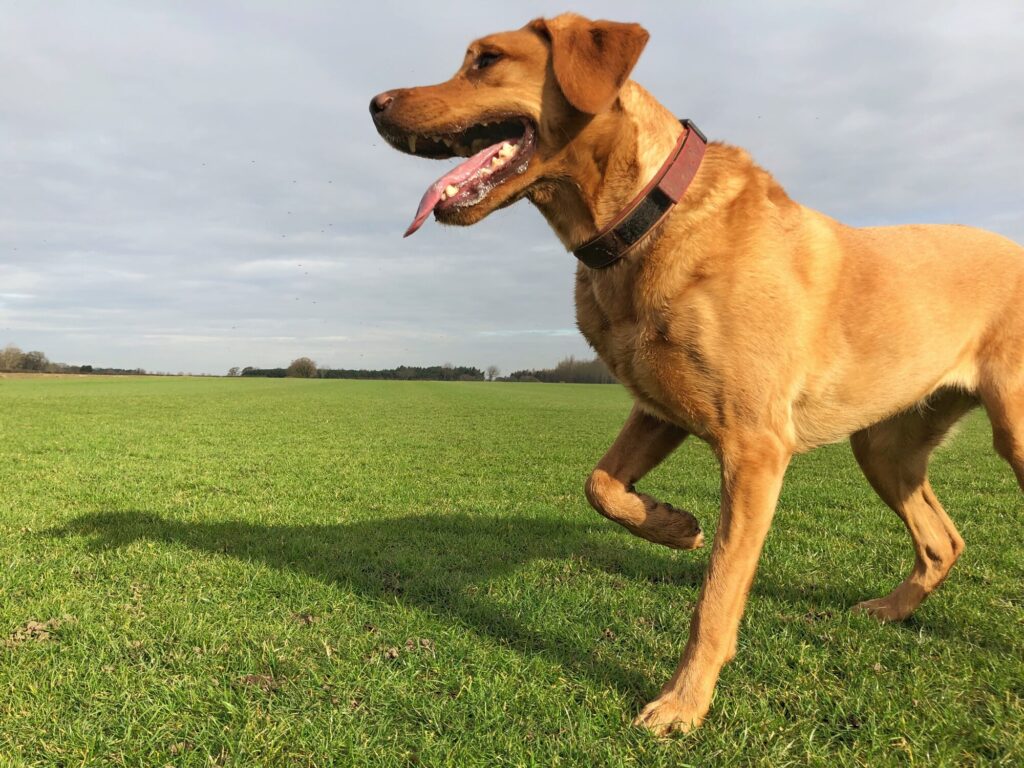
Teamjackson/iStock / Getty Images Plus via Getty Images
A limping dog is reluctant or unable to put weight on one or more legs, usually due to pain. Dog limping can begin suddenly, worsen gradually, or come and go.
Your veterinarian can help you determine why your dog is limping. Common causes of dog limping include paw injuries, muscle strains, torn nails, infections, or other joint conditions. It can even be a sign of canine osteoarthritis (OA).
Dog limping treatment depends on the underlying cause, and may include veterinarian-prescribed medications, surgery, or supportive therapies. For example, to control pain and inflammation associated with canine osteoarthritis, your vet may prescribe Galliprant (grapiprant tablets), a once-daily medication for dogs.
Call your vet right away if your dog cannot put full weight on a leg or has other concerning symptoms, such as severe pain, bleeding, significant swelling, limb dragging, trouble breathing, or an obvious fracture or dislocation.
Key Takeaways
- Limping in dogs usually indicates pain or another problem affecting a paw, leg, joint, bone, muscle, or the nervous system.
- A mild, new limp may improve with rest, particularly when your dog otherwise seems comfortable and healthy.
- Call your veterinarian if the limp worsens, doesn't begin improving quickly, or lasts for several days.
- Seek immediate veterinary care for severe limping or if your dog has bleeding, significant swelling, limb dragging, an obvious fracture or dislocation, or other concerning symptoms.
- Your veterinarian will recommend the best treatment plan for your dog's limping based on the underlying cause.
Why Is My Dog Limping?
Dog limping can begin suddenly after an injury or develop gradually because of a chronic condition. Some dogs limp continuously, while others may limp only occasionally or appear to switch between affected legs.
Common causes of dog limping include:
- Bone fractures
- Injuries of tendons or ligaments, such as cranial cruciate ligament rupture
- Muscle strains
- Wounds or bruising of the limb or paws
- Joint dislocations
- Insect bites and stings
- Torn nails
- Imbedded foreign material in the paw
- Bacterial or fungal infections of soft tissues, bones, or joints
- Developmental disorders, such as elbow dysplasia, hip dysplasia, patellar luxation, and osteochondritis dissecans (OCD) of the shoulder joint
- Autoimmune disorders, such as autoimmune or immune-mediated polyarthritis (IMPA)
- Degenerative joint disease (also known as osteoarthritis)
- Tick-borne diseases
- Cancer affecting soft tissues, bones, or joints
- Damage to or illness that affects the nervous system
This is not an all-inclusive list for causes of dog limping. Your veterinarian can help you determine what is causing your pet’s limp.
Types of Limping in Dogs
Veterinarians may describe limping based on how long it has been present and how severely it affects a dog's ability to use the limb.
Chronic dog limping: By definition, a chronic limp has been present for two weeks or more. Perhaps your dog’s limp was barely noticeable a few weeks ago, but now it’s more obvious. Or maybe you thought your dog’s limp would go away with rest, but it hasn’t. Chronic limping is often linked to arthritis or other conditions.
Acute Dog Limping: If your dog suddenly started limping, this is called an acute limp. It’s commonly caused by an injury or trauma.
Intermittent limping: Intermittent limping in dogs is lameness that comes and goes, meaning you might notice your dog limping on a back leg or your dog limping on a front leg at certain times but walking normally at other times. Sometimes this kind of limping occurs after exercise, when getting up from rest, or during specific movements, depending on the underlying cause.
Mild vs. Severe Dog Limping
A mild limp means your dog is still using the leg but not putting as much weight on it. If your dog has just developed a mild limp but appears comfortable and healthy in all other ways, it’s not unreasonable to encourage them to take it easy for a few days and see what happens.
When severely limping, dogs may refuse to bear weight on the affected limb, or they may just barely tap their toes on the ground (toe-touching lameness). Severe limping should always be evaluated by a veterinarian promptly.
Do not rely on whether your dog is crying, whining, or otherwise acting painful to determine how serious the problem is. Dogs don’t always show pain in the way we might expect them to; some dogs might stop using the limb with only a minor injury while others may continue walking despite significant pain.
When To Call the Vet Immediately
Whether you should call your vet immediately (or go to the ER) depends on whether your dog is displaying other signs of pain in addition to limping. If your pup is showing the following symptoms, take them to the vet right away:
- Vocalization (yelping or whining)
- Trembling
- Behavior changes (like hiding, unwillingness to move, fear, or reactivity)
- Bleeding
- An obvious fracture or dislocation
- Limb dragging
- Swelling of the limb
- Lethargy
- Disorientation
- Vomiting
- Trouble breathing
- Not eating well
What To Do If Your Dog Is Limping
What you should do for a limping dog depends on how severe the limp is, how long it has lasted, and whether your dog has other symptoms.
| Situation | What To Do |
|---|---|
| Your dog’s limp is new and mild, and they have no other concerning signs. | Rest them for a few days to see if the signs improve. When resting your dog, keep them from running, jumping, or roughhousing. You should take them out on a short leash for potty breaks. |
| The limp is severe, but they have no other concerning signs. | Evaluate the bottom of your pet’s foot. Occasionally, things like long toenails or debris stuck to the bottom of your pet’s foot or between toes can result in what looks like a dramatic limp. If you don’t find anything obvious, contact your vet for an appointment. |
| Your dog has been limping for several days with no improvement. | Call your veterinarian to schedule an exam. Persistent limping can indicate an injury or medical condition that needs treatment. |
| Your dog is limping and has other concerning symptoms. | Contact your veterinarian (or go to the ER) right away, especially if your dog has less energy, severe pain, bleeding, significant swelling, limb dragging, trouble breathing, or an obvious fracture or dislocation. |
Keep in mind that limping generally means your dog is experiencing pain. Even in mild cases, contacting your veterinarian is the best way to get pain relief for your dog. Never give your dog any over-the-counter (OTC) or human pain relievers or muscle relaxers. Even medications like OTC pet aspirin can be very dangerous for dogs and result in organ failure.
How Do Vets Diagnose Limping in Dogs?
To diagnose why a dog is limping, a veterinarian will typically review the dog’s health history, watch how they walk, and examine the whole body, paying particular attention to the affected leg, joints, paws, and back.
Depending on what they find, diagnostic tests such as X-rays, blood work, advanced imaging, or a joint fluid analysis may be needed to identify the underlying cause.
Be prepared to answer the following questions:
- How long has your dog been limping?
- Can you identify a specific event that may have initiated the limp?
- Does the limp come and go, or is it present all the time?
- What type of treatment have you tried at home? Has it worked?
- Have you noticed any other changes to your dog’s health or behavior?
- Does your dog have any underlying conditions that could make the limp worse?
- Is your dog on a flea and tick prevention consistently? And have you ever noticed any ticks on them before?
A lot of dogs hide their limp in the veterinary office, so consider taking a video of your dog limping to show your veterinarian.
Dog Limping Treatment
Your veterinarian will make treatment recommendations based on your dog’s diagnosis and overall health. In some cases, pain relief and rest may be all that is needed.
Medications
Depending on the cause of your dog’s limping, your veterinarian may prescribe medication to relieve pain, reduce inflammation, or treat the underlying condition. Common options include:
- Veterinary nonsteroidal anti-inflammatory drugs (NSAIDs), such as Galliprant, a prescription NSAID used to manage pain and inflammation associated with osteoarthritis in dogs. The chewable tablets, given daily, can be used at the earliest signs of osteoarthritis.
- Other types of pain medications, such as opioids or pain-relieving injections
- Corticosteroids
- Antibiotics
- Immunosuppressive agents
- Antifungal medications
- Disease-specific medications, such as chemotherapy for bone cancer
Supplements To Support Joint Health
Your veterinarian may also recommend the use of nutritional dog supplements to support joint health, such as:
- Glucosamine
- Chondroitin sulfate
- Omega-3 fatty acids
- Green-lipped mussels
- Methylsulfonylmethane (MSM)
- Avocado soybean unsaponifiables (ASU)
Surgery
Depending on the underlying cause of your dog’s limping, they might need surgery. The goal of surgery is to correct an unstable joint or bone, restore normal function, relieve pain, and to prevent progression of the condition. Common indications for surgery are:
- Bone fractures
- Joint luxations, such as patellas, hips, or shoulders
- Cruciate ligament disease
- Severe tendon or ligament disruptions
- Elbow or hip dysplasia
- Angular limb deformities
- Bone or joint tumors
Supportive Therapies
If your pup’s limp is caused by something else, other treatment recommendations may include:
- Bandages, splints, braces, or casts
- Chemotherapy or radiotherapy for cancer
- Acupuncture
- Physical therapy
- Stem cell therapy
- Cold laser treatments
- Neuromuscular electrical stimulation
- Transcutaneous electrical nerve stimulation
- Therapeutic ultrasound
- Extracorporeal shockwave therapy
- Hyperbaric oxygen therapy
- The use of assistive devices like harnesses, slings, prosthetic limbs, or wheelchairs
- Weight management
You and your veterinarian are a team. Working together, you can design a treatment plan that will soon help your dog feel better.
Recovery and Management of Limping in Dogs
Some causes of limping will recover quickly with rest and pain medications.
NSAIDs like Galliprant are often given in both the short-term and long-term recovery to control pain and inflammation associated with canine osteoarthritis and help your dog stay comfortable. Galliprant can also be part of a multimodal approach to controlling pain when combined with other therapies or medications. (Though keep in mind that Galliprant should not be given with other NSAIDs or corticosteroids. Its use with other anti-inflammatory drugs or medications that bind to proteins has not been studied).
Your veterinarian will likely discuss activity restriction and how to slowly increase your pet’s activity back to normal.
When resting your pet, you should prevent running, jumping, and rough play. Leash walks can help keep your pet safe when they go outside. In some cases, you may need to use a sling or harness to help your pet with mobility. The length of time and how strict you need to be on this exercise restriction depends on how severe the cause of limping was and what treatments were initiated.
Consider purchasing soft, orthopedic dog beds to keep your pet comfortable. You could also get dog ramps and stairs to help your dog get around more easily.
Preventing Limping in Dogs
Accidents happen, and not all causes of limping in dogs are preventable. Steps you can take to help protect your pet include:
- Keeping them on a dog leash when not in the fenced yard
- Keeping your pet up to date on flea and tick preventives can protect them from tick-borne illnesses that cause limping
- Getting regular wellness exams to catch health conditions early
- Keeping your pet at a healthy weight
- Trimming your dog’s nails every two to four weeks
Dog Limping FAQs
What should I do if my dog is limping?
Not all causes of limping require an immediate trip to the emergency room. Resting your pup and evaluating them for any trauma or wounds is a recommended first step. If your dog is in pain, then have them evaluated by a veterinarian as soon as possible.
Why is my dog limping but not crying?
If your dog is limping but not actively crying or whining, they still could be in pain. The reason for limping could be less severe or they’re simply trying to hide the pain, but they should still be examined by the veterinarian.
When should I be concerned about my dog limping?
If your dog is actively in pain or is showing symptoms, such as bleeding, significant swelling, limb dragging, trouble breathing, or an obvious fracture or dislocation, take them right away to the vet.
If those symptoms are not present or they seem generally fine otherwise, call your vet to get them in as soon as possible. Some causes of limping may go away with just a little TLC, but it’s always best to have them evaluated rather than taking a “wait and see” approach.
How long does a dog’s limp last?
Limping in dogs can last for several days or weeks for most causes, although some dogs may have an intermittent limp for life; the timing is variable and ultimately depends on the underlying cause.
Can I give my dog aspirin for a limp?
No, you should never give a dog aspirin, unless directed by your vet, as they can develop serious side effects even at therapeutic doses. Aspirin can cause gastrointestinal internal bleeding, ulcers in the stomach, kidney injury, and/or bleeding disorders in dogs.
How can I treat a limping dog at home?
If your dog starts limping, the best thing you can do at home is to restrict their activity as to not cause them to hurt themselves further. Do not give any OTC or prescription medications without speaking to your veterinarian.
Indication
Galliprant (grapiprant tablets) is an NSAID indicated for the control of pain and inflammation associated with osteoarthritis in dogs.
Important Safety Information
For use in dogs only. Keep this and all medications out of reach of children and pets to prevent accidental ingestion or overdose. Galliprant is a non-COX inhibiting NSAID. As a class, NSAIDs may be associated with gastrointestinal, kidney and liver side effects. Evaluation for pre-existing conditions and regular monitoring are recommended. Do not use in dogs that have a hypersensitivity to grapiprant. Concomitant use of Galliprant with other NSAIDs or corticosteroids should be avoided. Concurrent use with other anti-inflammatory drugs or protein-bound drugs has not been studied. The safe use of Galliprant has not been evaluated in dogs younger than 9 months of age and less than 8 lbs (3.6 kg), dogs used for breeding, pregnant or lactating dogs, or dogs with cardiac disease. Owners should be advised to observe for signs of potential drug toxicity. Adverse reactions may include vomiting, diarrhea, decreased appetite, watery or bloody stools, and decreases in serum albumin and total protein. Please see product label for full prescribing information.
Galliprant, Elanco, and the diagonal bar logo are trademarks of Elanco or its affiliates. PM-US-1608


