Senior Dog Care: How to Manage Common Health Issues


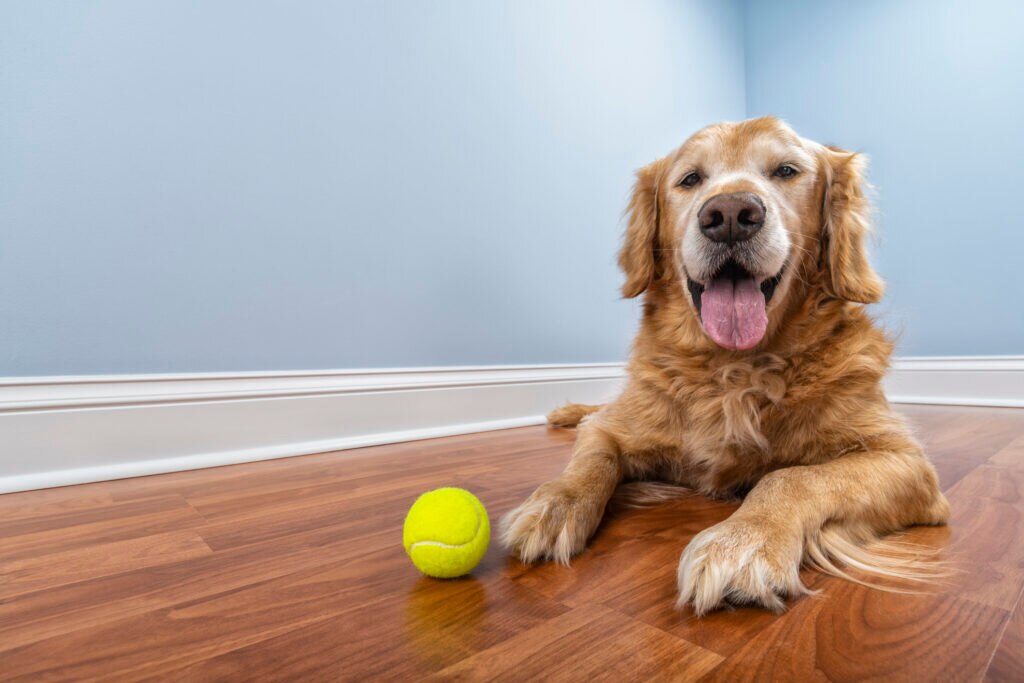
cmannphoto/iStock / Getty Images Plus via Getty Images
As our dogs grow older their needs change, sometimes subtly, sometimes in big ways. Maybe your dog takes longer to get up in the morning or seems a bit less eager for long walks.
Just like people, senior dogs face new health challenges that require extra attention, care, and love to keep them comfortable and happy in their golden years.
Key Takeaways
- A dog’s senior status will vary depending on their breed and size.
- Twice-yearly vet visits with senior panel bloodwork can help catch issues early.
- Common concerns include arthritis, dental disease, cognitive changes, and weight changes.
- Small home adjustments, such as orthopedic bedding, traction, and mental enrichment, can greatly improve comfort and quality of life.
When Is a Dog Considered a Senior?
When trying to understand your dog’s age in human years and when they are considered a senior, size matters. In general, larger dogs age faster than smaller ones.
For example, small dogs like Yorkies and Chihuahuas are considered seniors around 8 to 10 years of age, while larger dogs, like Great Danes, often reach senior status between 5 to 7 years old.
It’s important to consider more than just age when determining if your dog has reached their senior years. Look for changes in energy, appetite, mobility, and behavior.
Your vet can help you determine what stage your dog is entering and what adjustments might help.
Signs Your Senior Dog Might Be Struggling
As your dog ages, watch for:
-
Difficulty getting up or walking
-
Accidents in the house (incontinence is common and your vet can help you manage it)
-
Sleeping more (or less)
-
Changes in appetite or thirst
-
Disorientation, anxiety, and new nighttime restlessness
Common Senior Dog Health Issues and How to Help
There are a few common senior dog health issues to keep in mind as your dog ages.
Arthritis and Joint Pain
As dogs age, their joints can become stiff or painful because the cartilage that cushions the ends of bones wears down,
This causes the bones to rub against each other, causing pain, inflammation, and reduced mobility.
In addition, reduced joint lubrication, muscle loss, and weakness all contribute to joint wear and reduced joint support, further straining and stiffening the joint.
You may notice a hesitation to jump on the couch or take stairs, slower walks, stiffness after rest, limping, reluctance to be touched, or muscle loss.
To support daily comfort, consider replacing their dog bed with an orthopedic bed. Orthopedic beds provide greater cushioning for joints, and most have a bolster headrest like the FurHaven Plush & Suede Orthopedic Dog Bed, so dogs can easily rest their heads
If your dog is having trouble getting in and out of the car, a dog ramp can make transitions easier on their joints.
Adding a dog ramp or dog stairs to the living room couch, and your bed if they sleep with you, can also help them reach their favorite cozy spots without strain.
Adding non-slip rugs or runners and keeping nails trimmed will also help a senior dog get better traction across slick
If arthritis or joint pain is obvious, speak with your vet about possible joint supplements or medications. Additional medications like gabapentin, amantadine, or Adequan may be recommended to help with pain.
Vision and Hearing Changes
Many senior dogs lose some vision or hearing due to natural age-related changes, which can make them seem confused or anxious.
You may notice a bluish haze in your dog's eyes, which can affect depth perception and night vision. In most cases, this is not serious, but it is best to have your vet check the eyes for cataracts, glaucoma, or retinal degeneration, which can lead to impaired vision or blindness.
It’s important to support and comfort a senior dog experiencing vision or hearing loss by keeping the surroundings consistent (e.g., avoid rearranging furniture, keep food and bowls in the same place).
If possible, use touch cues to replace verbal commands (e.g., single tap for "sit" or two taps for "come") and stomp lightly on the floor or tap the bed before touching your dog to avoid startling them.
Use night lights and avoid clutter on the floors to keep pathways safe, and try to keep daily routines for feeding and walking.
Cognitive Changes
Older dogs can experience age-related confusion linked to canine cognitive dysfunction, often referred to as “doggy dementia.” They may:
-
Pace
-
Seem disoriented
-
Have changes in their sleep-wake cycle (waking more often at night)
-
Forget house training
If you notice these signs, talk to your vet, as other diseases can have similar signs they will want to check for.
Depending on your dog's needs,
Medications (such as selegiline) or vet-guided sleep aids (including melatonin, trazodone, and gabapentin) may be helpful.
Work with your veterinarian and monitor your dog's response before giving or changing any medications.
You can also try mental enrichment activities (scent games, snuffle mats, or puzzle feeders) to help keep them mentally engaged.
Dental Disease
Dental issues are common in older dogs and can cause pain, bad breath, and difficulty eating.
Regular dental care (brushing your dog’s teeth), and dental cleanings under anesthesia are important for keeping your dog comfortable and healthy, even as a senior.
When brushing your dog’s teeth, make sure to use a dog-specific toothpaste and toothbrush. You can also offer a dental chew or dental water additives approved by your veterinarian to help slow plaque and tartar build-up.
Just like humans, dogs also need preventative dental cleanings and dental X-rays. Dental disease and pain can be very subtle and difficult to determine without routine visits to your veterinarian.
Weight Changes
Some older dogs gain weight due to slower metabolism, while others lose weight due to muscle loss or health problems.
Ask y
Because weight changes can also signal medical issues such as hypothyroidism, kidney disease, diabetes, or dental pain, a checkup is recommended before altering your dog’s diet.
What constitutes the best diet for a senior dog will vary depending on a senior dog's health and disease status.
Senior dog diets can be good options for some seniors, but currently, there is no standard nutrient profile for what constitutes a senior diet, as it depends on the individual dog.
Seniors can have varying needs, based on their overall health status. Because of this, it is always best to talk to your vet about which diet would be best for your senior.
Early intervention can make a big difference in your dog’s quality of life. Aim for twice-yearly vet visits to catch issues early and keep your dog as comfortable as possible.
Organ Function
With age, organs such as the heart, kidneys, and liver may not function as efficiently. Routine wellness exams twice a year can help detect problems early.
It’s recommended that screenings always include a physical exam, complete blood count, chemistry panel, and urinalysis.
Depending on your dog’s health, your vet may recommend specific diet changes or medications for underlying health issues.
For example, heart disease in senior dogs may lead to fatigue, coughing, or fluid retention, and is often managed with medications such as pimobendan, along with
Kidney disease can cause increased thirst, urination, and weight loss; treatment typically includes
Liver issues may result in decreased appetite, vomiting, or jaundice. Dogs can be supported with liver-friendly diets, along with added antioxidants and nutrients to aid liver regeneration and detoxification.
Together, these targeted diets and medications help senior dogs maintain organ function, energy, and quality of life.
When To Call the Vet
Some symptoms are more severe than others in senior dogs. Contact your vet if your dog shows any of the following signs:
-
Coughing or labored breathing
-
Increased thirst or urination
-
Ataxia (wobbly)
-
Disorientation or sudden behavior changes
-
Sudden hind-end weakness
-
Collapse
If you are looking for a vet that specializes in senior dog care, check out Senior Dog Veterinary Society's directory to find one in your area.
Why Senior Dog Care Matters
Senior dogs have different needs than younger ones. Regular checkups and preventive care help catch problems early, help to ease pain, and improve quality of life.
With the right support, senior dogs can stay active and enjoy their favorite things, whether that’s a daily walk, a cozy nap, or simply time with you.


