Can Dogs Eat Watermelon?


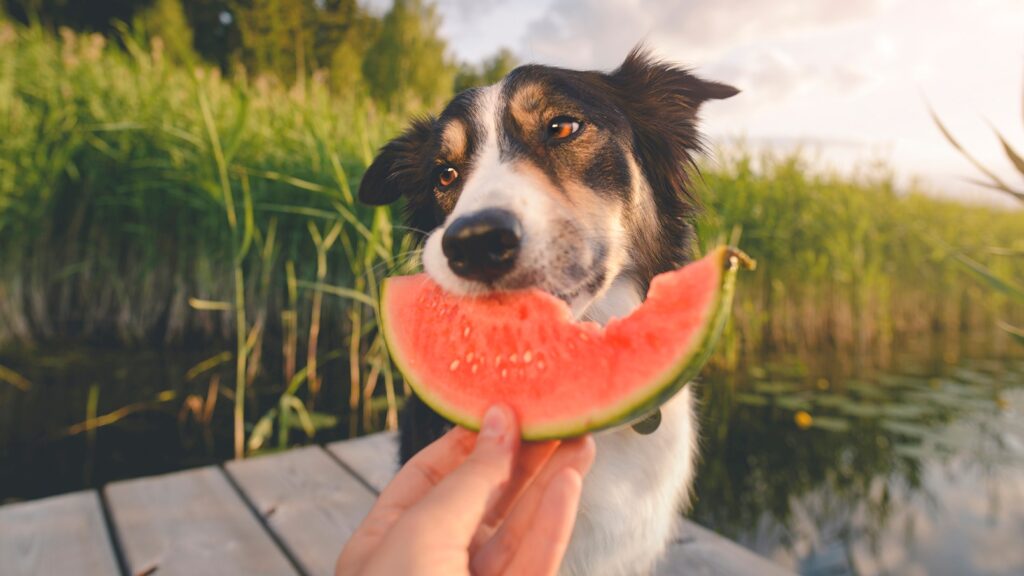
Fenne/iStock/Getty Images Plus via Getty Images
Most dogs can safely eat seedless watermelon in moderation when the rind and seeds are removed.
Watermelon is a low-calorie, hydrating fruit that contains beneficial vitamins and minerals, making it a refreshing treat for many dogs.
However, dogs with diabetes or sensitivity to sugar may need to avoid watermelon. Understanding the benefits and risks can help you decide whether watermelon is an appropriate snack for your dog.
Key Takeaways
- Most dogs can safely eat watermelon when the rind and seeds are removed.
- Watermelon is low in calories and contains over 90% water, making it a hydrating treat.
- Dogs should not eat watermelon rind or large amounts of seeds.
- Too much watermelon can cause digestive upset.
- Treats, including watermelon, should make up no more than 10% of a dog's daily calories.
Can Dogs Eat Watermelon?
Yes, most dogs can safely eat watermelon when it is served plain and prepared properly.
The safest option is fresh watermelon with the rind and seeds removed. Watermelon products that contain added sugar, artificial sweeteners, or other ingredients should be avoided.
Many dogs enjoy watermelon as a refreshing treat, especially during warm weather.
Can Dogs Eat Watermelon Rind?
No, dogs should not eat watermelon rind because it can create a choking hazard or cause an intestinal blockage.
While the flesh of a watermelon is generally safe for dogs, the tough rind can be difficult to chew and digest.
If your dog swallows watermelon rind, contact your veterinarian for guidance, especially if they begin showing signs of digestive distress.
Signs of an Intestinal Blockage in Dogs
Watch for symptoms such as:
- Vomiting
- Loss of appetite
- Abdominal pain
- Weakness or lethargy
- Diarrhea or difficulty passing stool
- Weight loss
An intestinal blockage can become a serious medical emergency, so prompt veterinary attention is important if these signs develop after your dog eats watermelon rind.
Can Dogs Eat Watermelon Seeds?
No, dogs should not eat watermelon seeds because they can present choking and digestive risks.
Watermelon seeds contain trace amounts of cyanide. Although it is highly unlikely that a dog would consume enough seeds to experience cyanide poisoning, it is still safest to remove them before feeding watermelon.
In addition, watermelon seeds can become a choking hazard, especially for small dogs, and consuming large quantities may contribute to an intestinal blockage.
Accidentally swallowing a few seeds is unlikely to cause problems for most dogs.
However, if your dog eats a large amount of watermelon seeds or develops signs of digestive upset, contact your veterinarian for guidance.
Benefits of Watermelon for Dogs
Both red and yellow watermelon can offer several nutritional benefits for dogs when fed in moderation and prepared properly.
Rich in Nutrients
Watermelon contains several important vitamins and minerals, including:
- Vitamin A
- Vitamin B6
- Vitamin C
- Potassium
These nutrients help support immune function, cellular health, and overall wellness.
Low in Calories
Because watermelon is naturally low in calories, it can be a smart treat option for dogs that need to manage their weight.
Its naturally sweet flavor may also make it an appealing alternative to higher-calorie treats.
Supports Hydration
Watermelon is made up of more than 90% water, making it a refreshing snack on warm days.
While watermelon can contribute to hydration, it should not replace your dog’s regular access to fresh drinking water.
Because treats should only make up a small portion of your dog’s diet, watermelon alone cannot provide all of your dog’s hydration needs.
Potential Risks of Watermelon for Dogs
While watermelon is safe for most dogs, there are a few potential risks that pet parents should consider before feeding it regularly.
Natural Sugar Content
Although watermelon is mostly water, it also contains naturally occurring sugar.
Dogs with diabetes, obesity, sugar sensitivities, or certain medical conditions may not be good candidates for watermelon treats. Always consult your veterinarian if your dog has a health condition that affects their diet.
Watermelon Rind Can Be Dangerous
The flesh of watermelon is generally safe for dogs, but the rind should always be removed before feeding.
Watermelon rind can create a choking hazard and may contribute to intestinal blockages if swallowed.
Digestive Upset From Overfeeding
Even when prepared properly, too much watermelon can cause gastrointestinal upset.
Some dogs may develop symptoms such as:
These issues are more likely to occur when a dog eats large amounts of watermelon or is not accustomed to eating fruit.
How Much Watermelon Can Dogs Eat?
Dogs can eat watermelon in moderation, but it should only be offered as an occasional treat rather than a regular part of their diet.
Like all treats, watermelon should account for no more than 10% of your dog’s daily calorie intake. The remaining 90% should come from a complete and balanced dog food diet.
If you are introducing watermelon for the first time, start with a small amount and monitor your dog for any signs of digestive upset or food sensitivity.
If you notice vomiting, diarrhea, excessive gas, or any other unusual symptoms, discontinue feeding watermelon and contact your veterinarian.
The appropriate serving size depends on your dog’s size, weight, activity level, and overall health.
Use the serving chart below as a general guideline. For safety, each watermelon piece should be approximately 1 inch x 1 inch x ¼ inch thick unless otherwise directed by your veterinarian.
| Dog Size | Serving Size | Frequency |
|---|---|---|
| Extra-small dogs (2–10 pounds) | 2–3 slices | 2–3 times per week |
| Small dogs (11–20 pounds) | 3–4 slices | 2–3 times per week |
| Medium dogs (21–50 pounds) | 3–4 slices | 2–3 times per week |
| Large dogs (51–90 pounds) | 4–5 slices | 2–3 times per week |
| Extra-large dogs (91+ pounds) | 5–6 slices | 2–3 times per week |
How To Feed Watermelon to Dogs Safely
To safely feed watermelon to dogs, always remove the rind and seeds and serve the fruit in appropriately sized pieces.
Preparing Watermelon for Dogs
Before serving watermelon to your dog:
- Wash the watermelon thoroughly to remove dirt, residue, and pesticides.
- Remove all rind and seeds before feeding.
- Cut the watermelon into small pieces approximately 1 inch x 1 inch x ¼ inch thick.
Ways To Serve Watermelon to Dogs
Once prepared, watermelon can be served in several dog-friendly ways:
- Fresh: Offer watermelon pieces directly as a refreshing treat.
- Frozen: Freeze watermelon chunks for a cool snack on warm days.
- Mashed or blended: Mash or blend a small amount of watermelon and mix it into your dog's food, spread it on a lick mat, or freeze it inside a KONG® toy for enrichment.
- Fruit smoothie: Blend watermelon with dog-safe fruits such as bananas, strawberries, and blueberries. Mix the fruit purée with plain, sugar-free, xylitol-free yogurt and serve in moderation.
- Dog-friendly frozen treats: Watermelon can also be used in homemade dog-safe sorbets, frozen treats, or special occasion mocktails designed specifically for dogs.
Can Dogs Eat Watermelon FAQs
Can puppies eat watermelon?
Yes, puppies can eat watermelon in moderation, provided it is served without seeds or rind and treats remain under 10% of their daily calories.
Can dogs be allergic to watermelon?
Does watermelon cause diarrhea in dogs?
Watermelon can cause diarrhea in dogs. But usually, this only happens if you feed them too much.
Can dogs eat watermelon every day?
Many healthy dogs can enjoy small amounts of watermelon regularly, but it should always be fed in moderation as part of a balanced diet.


