Can Dogs Get Strep Throat? Everything You Need To Know About Streptococcus in Dogs



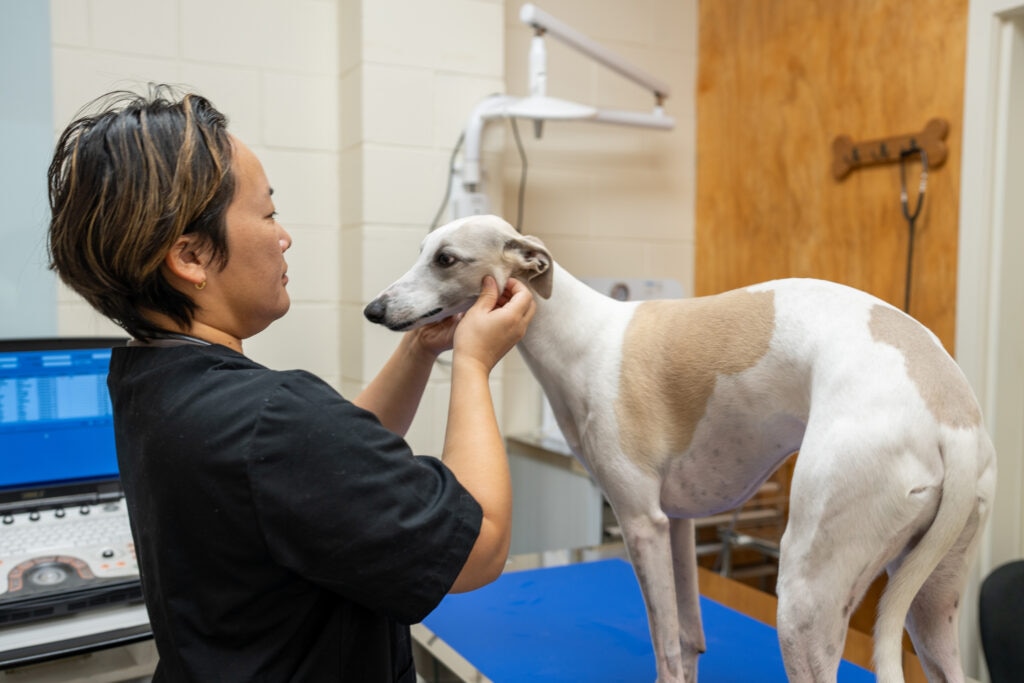
Don Wu/E+ via Getty Images
If you’re reading this article because you’re wondering whether your dog has strep throat, the short answer is probably not.
Streptococcus, or strep for short, is a type of bacteria that can cause infections in dogs. While we commonly associate strep bacteria with strep throat in humans, streptococcus bacteria more often cause urinary tract infections, skin infections, and pneumonia in dogs.
Pharyngitis, or inflammation of the throat, is rarely caused by strep bacteria in our furry friends.
Key Takeaways
- Dogs can get streptococcus (strep) infections, but true strep throat is uncommon in dogs.
- Streptococcus bacteria in dogs more commonly affect the urinary tract, lungs, skin, and ears.
- Symptoms vary depending on the area of the body affected.
- Most streptococcal infections are treated successfully with antibiotics.
What Is Streptococcus in Dogs?
If your dog is diagnosed with streptococcus, it means they have an infection caused by strep bacteria.
There are many different types of streptococcus bacteria.
Streptococcus canis is the most common variety affecting dogs.
This differs from Streptococcus pyogenes, the bacteria species most commonly responsible for strep throat in humans. The type of strep that dogs most frequently get is generally not considered contagious to people.
Strep bacteria can grow in many different parts of a dog’s body. Depending on where the bacteria settle, your dog may develop certain clinical signs. For example, if your pup has a strep infection in the bladder, they may show symptoms of a urinary tract infection (UTI). Conversely, if strep bacteria grow in the lungs, dogs can develop respiratory symptoms associated with pneumonia.
It’s not uncommon for streptococcus bacteria to be present on the skin and in the gastrointestinal tract of healthy dogs. Problems typically occur when the immune system becomes compromised, allowing the bacteria to overgrow.
When a dog’s normal immune defenses are overwhelmed, streptococcal infections can develop in various parts of the body. Common infection sites include the urinary tract, gastrointestinal tract, skin, ears, lungs, joints, sinuses, and throat.
Strep can also lead to more serious infections affecting the heart (endocarditis), spinal cord (myelitis), and bones (osteomyelitis).
In rare cases, dogs can get severe streptococcal infections such as necrotizing fasciitis or streptococcal toxic shock syndrome (STSS), both of which can be life-threatening.
If your dog is lethargic, not eating, weak, coughing, or seems to be rapidly declining, seek immediate veterinary care.
Symptoms of Streptococcus in Dogs
Symptoms of strep in dogs vary widely depending on which body system is affected. General signs may include:
-
Lethargy
-
Decreased appetite
More specific symptoms may include:
-
Urinary infection signs: Frequent urination in small amounts, straining or discomfort while urinating (posturing for a long time), blood in the urine
-
Cardiopulmonary infection signs: Coughing, labored breathing, increased respiratory rate, new heart murmur
-
Nervous system infection signs: Poor coordination, wobbliness, knuckling over
-
Skin and ear infection signs: Hair loss, redness, oozing, itching, scabbing, head shaking, redness or discharge from the ears
-
Sinus and throat infection signs: Nasal discharge, difficulty swallowing
Causes of Streptococcus in Dogs
Streptococcus infections in dogs are most often caused by bacterial overgrowth following immune compromise.
This can occur when a dog’s immune system is overwhelmed by another illness or stressor.
The immune system works constantly to keep your dog healthy, but underlying diseases, allergies, stress, and poor overall health can weaken those defenses and allow bacteria to multiply.
In addition to Streptococcus canis, another species called Streptococcus zooepidemicus can also affect dogs.
This strain is more commonly associated with crowded kennel environments and has historically been seen in racing Greyhounds, where it can cause contagious pneumonia outbreaks.
Dog racing exposes dogs to crowded kennel conditions, high stress, and intense physical activity—all of which can increase the risk of injury and disease and raise significant welfare concerns. 44 states in the United States have already banned Greyhound racing and the only two active greyhound tracks in the U.S. are in West Virginia.
German Shepherds have also shown a higher incidence than other breeds.
How Veterinarians Diagnose Streptococcus in Dogs
Streptococcus infections in dogs are typically diagnosed using a bacterial culture. This test involves collecting a sample from the suspected site of infection and placing it on a petri dish to see whether bacteria grow.
The sample collected depends on where the infection is suspected.
For example:
-
If a UTI is suspected, a urine sample may be cultured.
-
If a joint infection is suspected, joint fluid may be collected by a veterinarian using a sterile needle while your dog is sedated.
-
Skin, ear, or respiratory samples may also be obtained, depending on symptoms.
Once bacteria grow on a culture plate, a pathologist at a laboratory can identify the specific bacteria involved.
Veterinarians usually perform a culture alongside a sensitivity test. Sensitivity testing determines which antibiotics are most effective against the specific bacteria causing the infection.
Talk with your veterinarian before testing to determine whether fasting is needed. Some sample collections may require sedation or anesthesia.
Treatment of Streptococcus in Dogs
Streptococcus infections in dogs are treated with antibiotics. Most infections improve quickly once the appropriate antibiotic is selected.
The best antibiotic is usually chosen based on culture and sensitivity results, which identify the bacteria and determine which medications work best against it.
Beta-lactam antibiotics such as cefpodoxime and Clavamox are commonly used to treat streptococcal infections.
Recovery and Management of Streptococcus in Dogs
Recovery from strep in dogs usually takes one to two weeks, though this varies depending on the site and severity of the infection.
A urinary tract infection may resolve relatively quickly, while pneumonia and bone infections may take longer.
While your dog is recovering, closely monitor their appetite, water intake, urination, bowel movements, and overall energy level.
If your dog isn’t interested in food, a more palatable canned recovery diet, such as Royal Canin Recovery, may encourage eating.
Some dogs have soft stools while taking antibiotics. Probiotics such as Purina FortiFlora or Nutramax Proviable may help support healthy gut bacteria during treatment.
Prevention of Streptococcus in Dogs
Preventing staph infections in dogs starts with good preventive care and hygiene.
Routine veterinary wellness visits with your pup’s vet can help identify conditions that may increase your dog’s infection risk.
For example, some dogs have a recessed vulva or deep skin folds that trap moisture and bacteria, increasing the likelihood of UTIs or skin infections. Your vet may recommend medicated wipes to reduce this risk.
Regular bathing and grooming are also important.
Matted fur and dirty skin can trap bacteria and contribute to infection risk. While some dog breeds benefit from bathing or grooming every six weeks, others can go longer depending on their hair coat and exposure to grime.
Minimizing your dog’s exposure to crowded boarding facilities or dogs with respiratory illness may lower their risk of contagious bacterial infections, including canine infectious respiratory disease complex.
Dental care is another important preventive step. Dental disease can allow bacteria to enter the bloodstream and spread to organs such as the heart and kidneys.
Regular tooth brushing, dental chews, water additives, food additives, and professional dental cleanings can help reduce this risk.
Can Dogs Get Strep Throat? FAQs
How do you treat streptococcus in dogs?
Streptococcus infections are typically treated with antibiotics that are selected based on culture and sensitivity testing.
How can a dog get strep?
Dogs can develop strep infections from bacteria already present on the skin or in the gastrointestinal tract when the immune system becomes compromised. Some infections may also spread in crowded environments such as kennels.
What are some signs and symptoms of streptococcus in dogs?
Common signs include lethargy, fever, and decreased appetite. Symptoms vary widely, depending on which part of the body is affected.


