Hypoxemia in Dogs: What Is It, and How Do You Treat It?


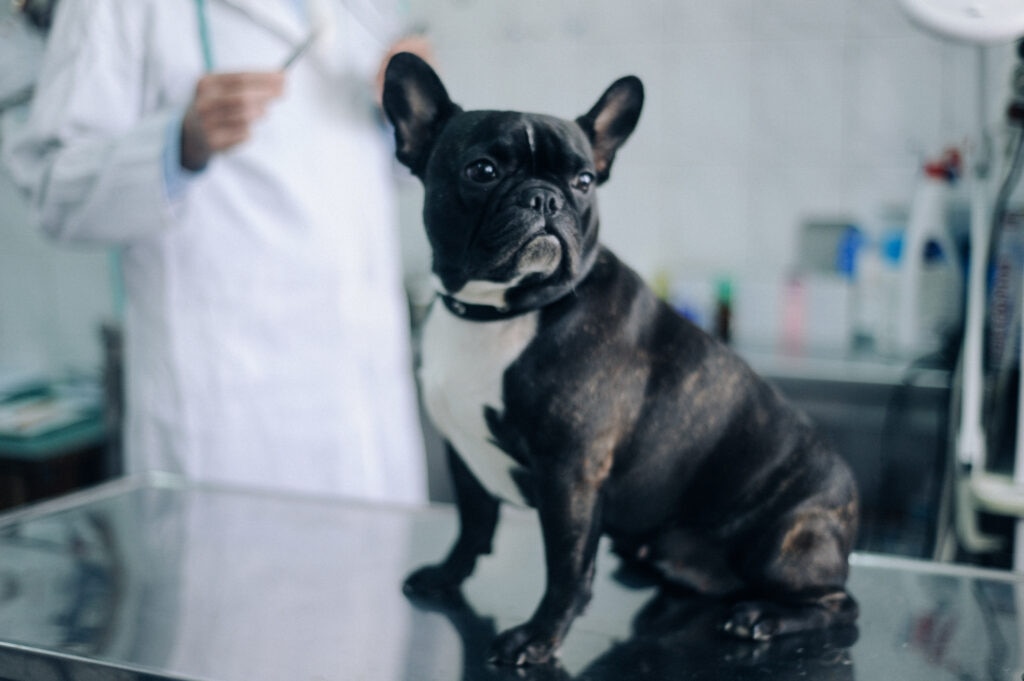
Wolf Images/iStock/Getty Images Plus via Getty Images
If you’ve noticed your dog is less able to do normal physical activities, has difficulty breathing, or has blue-tinged gums, they may have hypoxemia, which means their body is not getting enough oxygen.
In this article, you’ll learn what you should know about hypoxemia in dogs, including symptoms, causes, diagnosis, and treatment options.
Key Takeaways
- Hypoxemia refers to low levels of oxygen in a dog’s blood.
- Common signs include difficulty breathing, lethargy, blue-tinged gums, and exercise intolerance.
- Diagnosis of hypoxemia involves a physical exam, blood work, imaging, and pulse oximetry.
- Treatment for hypoxemia focuses on raising oxygen levels in the blood and managing underlying health issues.
What Is Hypoxemia in Dogs?
Hypoxemia in dogs is low levels of oxygen in the blood. This can be caused by various underlying health issues that need treatment.
Without enough oxygen, a dog’s cells and organs do not work normally and the condition becomes life-threatening.
Affected dogs have concerning symptoms, such as difficulty breathing, blue gums, and collapse.
Hypoxemia is a medical emergency.
If you notice any of the signs of hypoxemia in your dog, contact your veterinarian immediately or bring him to the nearest emergency hospital.
Fast intervention is very important for the best outcome.
Symptoms of Hypoxemia in Dogs
Symptoms of hypoxemia include:
- Blue-tinged gums (cyanosis)
- Coughing
- Lethargy
- Exercise intolerance
- Weak pulses
- Rapid heart rate
- Rapid breathing or panting
- Open-mouthed breathing
- Collapse
Causes of Hypoxemia in Dogs
Causes of hypoxemia in dogs include:
- Pulmonary edema (fluid in lungs)
- Pleural effusion (fluid surrounding lungs)
- Lung cancer
- Heart failure
- Toxin ingestion, such as cyanide
- Neurological diseases, such as myasthenia gravis
- Severe anemia
- Traumatic chest injury, such as being hit by a car
- Anesthesia or sedation
- Environmental pollutants, such as smoke
- Heat stress
- High altitudes
Hypoxemia can affect any dog, but it is most common in middle-aged to older dogs because of the higher rates of underlying health issues, such as heart or lung disease.
Brachycephalic breeds—such as Pugs, Bulldogs, and Boston Terriers—are also at an increased risk of hypoxemia because of their airway abnormalities.
How Veterinarians Diagnose Hypoxemia in Dogs
To diagnose hypoxemia in dogs, a veterinarian will first do a physical exam and ask for a thorough history. Your dog will be checked from head to toe, paying special attention to their breathing and gum color. Let your vet know any medications your pet is taking and when you first noticed symptoms.
Testing can be done to help with diagnosis and may include:
- Blood work: A sample of blood can be taken from a vein to check for oxygen content, organ function, blood cell counts, and any toxins.
- Imaging: The chest cavity can be looked at using imaging, such as X-rays or ultrasound, to find abnormal fluid buildup, traumatic injuries, or heart and lung diseases. Advanced imaging, such as a CT scan or MRI, may be useful in some cases.
- Pulse oximetry: A small device is attached to the dog’s tongue or pink part of the ear to measure the oxygen levels in the blood.
Treatment of Hypoxemia in Dogs
Treatment for hypoxemia in dogs focuses on bringing up oxygen levels in the blood and managing the underlying health issue.
Dogs showing signs of hypoxemia may need hospitalization and supportive care to improve their conditions.
Potential treatment options that may be recommended to treat hypoxemia include:
- Oxygen therapy: Dogs can be placed inside oxygen chambers or given oxygen via a nasal cannula or mask to improve their blood levels.
- Intravenous (IV) fluids: Dogs can be given fluids through a leg vein to improve circulation and oxygenation.
- Blood transfusion: Blood can be given to the dog, especially if they’ve lost blood or are severely anemic, to improve oxygen delivery.
- Thoracocentesis: If a dog is in significant respiratory distress, a small needle can be placed into the chest cavity to remove fluid that may be getting in the way of normal breathing.
- Diuretics: Medications, such as furosemide, can be given to remove fluid from the lungs and support better breathing.
- Surgery: If a dog has a lung tumor or has had a traumatic injury, surgery may be necessary to remove the tumor, stabilize the injury site, and improve oxygenation.
- Heart medications, such as pimobendan, to counteract heart failure
- Toxin antidotes, such as hydroxocobalamin, to treat cyanide poisoning
Quick treatment can return oxygen levels to normal.
However, the underlying health issue that caused the hypoxemia must be managed to prevent low oxygen levels from happening again.
Recovery and Management of Hypoxemia in Dogs
Recovery from hypoxemia in dogs varies greatly based on the underlying cause and the dog’s overall condition. If your dog is treated quickly, oxygen levels often improve within the same day oxygen therapy is started.
Long-term management of underlying health conditions, with medications and frequent checkups, may be needed in some cases. Dogs with severe disease or who have not gotten quick treatment can have permanent damage to their organs.
Prevention of Hypoxemia in Dogs
To prevent hypoxemia in dogs, pet parents can do the following:
- Ensure your dog gets regular veterinary care to find health concerns early.
- Keep medications and chemicals safely out of reach of your pet to avoid accidental swallowing.
- Contact a veterinarian right away if you notice any early signs of hypoxemia, such as shortness of breath.
- Ensure your dog’s environment is a comfortable temperature and free of smoke, which can interfere with breathing.
Hypoxemia in Dogs FAQs
What are the five main causes of hypoxemia in dogs?
Hypoxemia is always caused by an underlying health issue. The five main causes of hypoxemia in dogs are respiratory disease, heart disease, traumatic injuries, toxin exposure, and anemia.
What is one of the first signs of hypoxemia?
One of the first signs of hypoxemia is a change in breathing, such as increased respiratory rate or effort. Dogs may also experience weakness or blue-tinged gums.
Is hypoxemia in dogs an emergency?
Yes, hypoxemia is a medical emergency. If you notice any of the signs of hypoxemia in your dog, contact your veterinarian immediately or bring him to the nearest emergency hospital.
What is the difference between hypoxemia and hypoxia in dogs?
Hypoxemia refers to low oxygen levels in the blood. Hypoxia is a condition where a dog’s organs are not receiving enough oxygen supply to function properly.


