What Things Are Poisonous to Dogs?


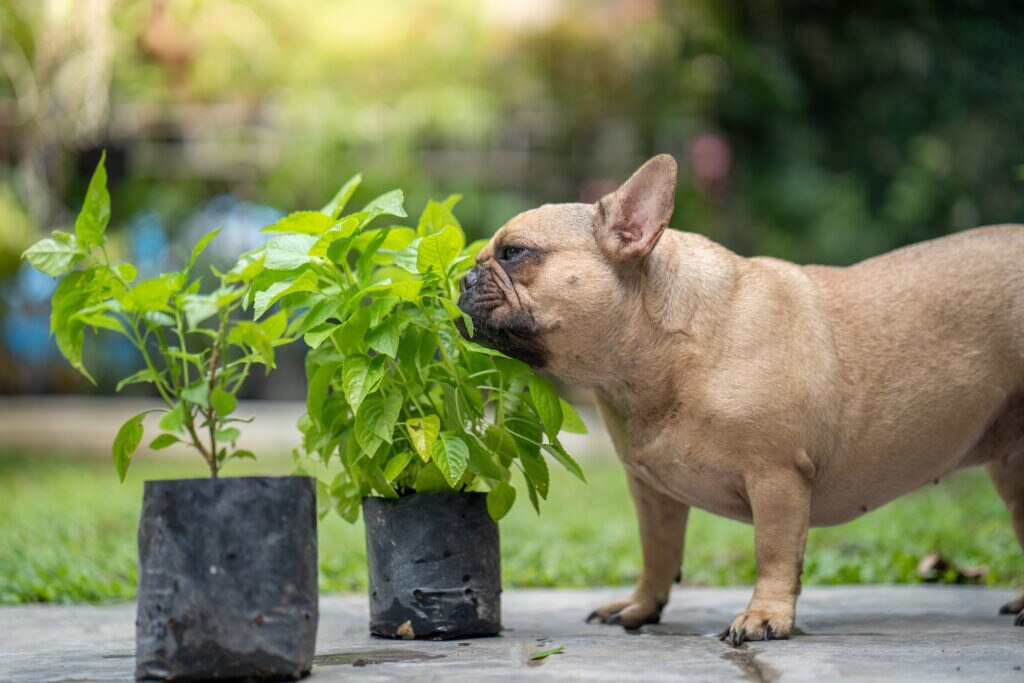
Wirestock/iStock/Getty Images Plus via Getty Images
As a pet parent, you may be wondering, “What things are poisonous to dogs?”
Anything can be toxic to dogs when they’re exposed to too much of it.
Let’s explore some common toxins that affect dogs, and what to do if your pup ingests them.
Key Takeaways
- Common dog poisons include foods, plants, medications, household products, and rodenticides—many of which can cause serious illness or death even in small amounts.
- Symptoms of poisoning in dogs vary but may include vomiting, diarrhea, weakness, seizures, or collapse. Immediate veterinary care is critical for the best outcome.
- Prevention is key: keep harmful items out of reach, know the top dog toxins, and call your vet or the Pet Poison Helpline right away if ingestion is suspected.
Things Poisonous to Dogs
Toxins are substances that cause damage or disturb the function of a pet’s tissues, organs, or bodily systems.
Depending on the poison, symptoms may be minimal, severe, or fatal.
The five most common types of dog poisons are:
-
Food poisoning
-
Alcohol poisoning
-
Household products poisoning
-
Plant poisoning
-
Medication poisoning
Accidental poisoning in dogs occurs frequently, even with the most attentive pet parents.
Once an ingestion is suspected or confirmed, time is extremely important.
Prompt veterinary treatment can save a pet’s life.
Poisoning in dogs is a medical emergency. If you think your dog ate something potentially dangerous, seek immediate veterinary care or call the Pet Poison Helpline at (855) 764-7661.
Let’s look at all things toxic to dogs, toxicosis symptoms in dogs, and dog poisoning treatment.
Foods Poisonous to Dogs
Several human foods are very dangerous for dogs and can cause canine poisoning. It’s essential to know which foods to never give your dog and what to do in the event of an accidental poisoning.
Chocolate, Coffee, and Caffeine
These products contain methylxanthines—substances which can cause the following:
-
Hyperactivity
-
Cardiac issues, like a rapid heart rate (tachycardia) and irregular rhythm (arrhythmia)
-
Death
Methylxanthines are rapidly absorbed in the gastrointestinal tract.
There’ no antidote for methylxanthine toxicosis, so treatment is focused on gastrointestinal decontamination and supportive care.
Gastrointestinal decontamination involves a vet making your dog vomit to remove as much of the toxin as possible. This can only be done if you can get them to the vet before the toxin has cleared their stomach.
The sooner the better—after 4 hours, things have usually left the stomach. Activated charcoal may be given to help bind any remaining toxin in the gut so that it passes more harmlessly in the stool.
Grapes and Raisins
Grapes and raisins are highly toxic to dogs and can lead to kidney failure and even death when not treated aggressively.
The reason for this toxicity is not entirely understood. While one dog may eat grapes and be okay, another can eat a single grape or raisin and go into acute kidney failure.
Any grape ingestion should be treated promptly and be taken seriously.
Signs of this type of toxicosis include:
-
Vomiting
-
Diarrhea
-
Weakness
Unfortunately, most of the symptoms occur 24 to 48 hours after eating the grape, when the kidneys are already damaged—so it’s important to call your vet right away if your dog eats any grapes or raisins.
Xylitol
Xylitol is a sugar substitute commonly added to gum. It can also be found in products labeled low or reduced sugar or no sugar added as its low on the glycemic index.
Xylitol is very toxic to dogs.
It only takes a small amount of xylitol to cause low blood sugar, liver failure and even death.
Signs of this type of toxicosis include:
-
Weakness
-
Seizures
-
Vomiting
-
Decreased appetite
-
Tremors
While there is no antidote for xylitol, it’s treated like many other toxins. Vets will quickly induce vomiting, giving activated charcoal and fluid therapy.
Sometimes glucose needs to be supplemented and affected dogs need to stay in the hospital for one day or several days.
Garlic and Onions
Garlic and onions belong to the Allium family of vegetables, which also include chives.
These cause gastrointestinal irritation and red blood cell damage, leading to anemia. Cats are more susceptible to toxin-induced anemia, but in large quantities dogs can also be affected.
All ingredients and vegetables stemming from the Allium group can cause problems, including raw, cooked, dehydrated flakes, powder, and supplements.
Early signs of this type of toxicosis include:
-
Vomiting
-
Diarrhea
-
Depression
-
Dehydration
Over the next one to seven days, red cell damage continues and can cause:
-
Weakness
No antidote exists, so immediate supportive care given by a veterinarian is necessary.
Other toxic foods to dogs include:
-
Yeast dough
-
Avocado pit
-
Cherry pits
Alcohol Poisoning in Dogs
Pets should never have access to alcohol.
Alcohol poisoning in dogs can cause the following:
-
Vomiting
-
Diarrhea
-
Drowsiness, stupor
-
Tremors
-
Coma
-
Death
Alcohol is absorbed within an hour in a dog’s stomach.
Raw yeast dough ferments in the stomach, producing ethanol alcohol. If your dog eats raw pizza dough or yeasted rolls left to rise on the counter, they are at risk for alcohol poisoning.
Dogs are impacted more by alcohol than humans. The amount of alcohol is measured as “alcohol by volume” or ABV. For a 10-pound dog, alcohol is lethal at about:
-
10 ounces of 6% ABV beer
-
5 ounces of 13% ABV wine
-
2 ounces of 40% ABV liquor
If your dog accidentally ingests alcohol, call your vet immediately.
There is no specific antidote for alcohol poisoning in dogs, so treatment is focused on GI decontamination and supportive care.
Household Products Poisonous to Dogs
Pets must always be protected from potentially dangerous items around the house. Anything can cause issues when ingested, but let’s look at some of the most common poisonous household items for dogs.
Rodenticide
Rat and mouse bait is often on the floor and accessible to dogs.
While other types of methods are recommended if you have other pets in the home (like humane traps), it’s better to put mouse bait in the back of cabinets with childproof doors to avoid the exposure.
There are multiple types of rat poisons, so it’s important to understand the risks. The three most common rat poisons are:
-
Anticoagulant rodenticides. These cause uncontrolled bleeding.
-
If caught and treated soon enough (ideally within an hour after ingestion), dogs can fully recover from anticoagulant rodenticide poisoning with supportive care and a few months of vitamin K supplementation.
-
-
Bromethalin. This is a neurotoxic rodenticide that affects the nervous system of the rodent, causing brain swelling and seizures.
-
Unlike anticoagulant rodenticides, bromethalin does not have an antidote and treatment is difficult once a dog is showing clinical signs.
-
Treatment is getting as much poison out as possible by inducing vomiting, giving activated charcoal to bind up any remaining toxin, and fluid therapy to flush the system.
-
-
Cholecalciferol (or Vitamin D3) rat poison. This type of rat poison causes a life-threatening increase in calcium levels. It can cause a building of calcium in the lungs called pulmonary mineralization, and it can also cause heart and gastrointestinal tract problems or organ failure.
-
Treatment is prolonged and typically requires hospitalization to stabilize the dog and allow calcium levels to return to normal.
-
Heavy Metals
Certain heavy metals are poisonous to dogs.
Zinc poisoning can occur after ingestion of pennies minted after 1982 or zinc-containing medications, like zinc immune boosting lozenges or multivitamins. Zinc poisoning in dogs can cause anemia, vomiting, and weakness.
Lead toxicosis occurs with exposure to all forms of lead, causing issues with red blood cells, the GI tract, seizures, and other organ issues.
Any heavy metal poisoning will generally require aggressive decontamination of the GI tract, which may include emergency surgery to remove the materials.
Essential Oils
Essential oils can be toxic to dogs. They are much more sensitive to essential oils than people.
Clinical signs of essential oil poisoning in dogs include:
-
Central nervous system depression
-
Organ damage
-
Respiratory issues
If inhaled, aspiration pneumonia and allergic airway syndrome occur as well.
Essential oils shouldn’t be used near your dog.
Treatment for this type of toxicosis is mostly supportive. Dogs are more sensitive to:
-
Wintergreen oil
-
Sweet birch oil
-
Eucalyptus oil
-
Clove oil
-
Tea tree oil
-
Pennyroyal oil
Essential oils are not safe alternatives to flea and tick preventatives, as they carry a high risk of toxicity.
Talk to your veterinarian about safe and effective prescription medications to keep fleas and ticks at bay.
Household Chemicals
All household cleaners and products can potentially cause stomach upset when ingested.
Some common products from around the house can cause:
-
Ulceration or sores in the mouth, esophagus or stomach
-
Esophageal strictures (narrowing of the esophagus)
-
Vomiting and diarrhea
Some of the more common household products that can cause issues with dogs include:
-
Carpet fresheners and shampoo
-
Fabric softeners
-
Febreze and other air fresheners
-
Grout (freshly laid or in the packaging)
-
Antifreeze
Treatment is generally supportive. Induction of vomiting and GI decontamination is varied based on the specific toxicity.
Plants and Flowers Poisonous to Dogs
Numerous toxic plants and flowers can cause poisoning symptoms in dogs. Pet parents should use caution when planting or bringing plants in the house.
All plants have the potential to cause gastrointestinal distress, including vomiting and diarrhea. Some of the more common plants poisonous to dogs include:
-
Tulips
-
Tobacco
-
Azalea
-
Foxglove
-
Oleander
-
Philodendron
Medications Poisonous to Dogs
Some medications are inherently poisonous for dogs at any dose, while others are dose dependent.
Dogs can easily overdose on their own medication or accidentally ingest human medications.
Human Medications
Dogs can quickly snatch a dropped human medication off the floor or even jump up to the counter and have access to entire bottles.
Always keep medication far out of reach of pets.
Any human medication or over-the counter supplement can cause problems with pets, so always contact a veterinary professional if you know of any ingestion.
Human NSAIDs are one of the more common issues with pets, most likely because almost all households keep these products around.
Never give your pet a medication or supplement without talking to your doctor about the benefits and risks.
Some medications that can be poisonous to dogs include:
-
Adderall and pseudoephedrine
-
Topical creams and ointments
-
Antidepressant medications
Pet Medications
Flea and tick medication poisoning occurs when pets receive high doses of preventatives.
Symptoms can vary from topical issues (itching, chewing at application spot) to gastrointestinal issues and agitation.
Some types of preventatives can cause tremors, seizures, and even death.
It’s important to accurately weigh your dog to ensure they are receiving the correct dose, based on size.
Illegal and Recreational Drugs
Marijuana is one of the more common toxicities of recreational drugs in dogs.
Dogs typically show the following types of symptoms after ingestion of marijuana:
-
Gastrointestinal
-
Nervous
-
Ophthalmic (eye)
-
Respiratory
-
Cardiac
-
Neurologic
Other illegal and recreational drugs cause a variety of neurologic, gastrointestinal, and cardiac issues. Severity and prognosis vary based on the drug involved and the amount ingested.
Health Tools
Get quick answers with our vet-created Symptom Checker
What To Do If You Think Your Dog Was Poisoned
Identifying a potential poisoning is the first step to getting your dog healthy again.
If you know what your pet ate, gather all the information you can, including wrappers and ingredient lists, to discuss with your veterinarian.
Contact your veterinarian, an emergency veterinarian, or the Pet Poison Helpline at 855-764-7661.
These services are staffed 24/7 by veterinarians, including toxicologists. Follow-up calls for the same incident are usually included in the consultations.
Many pets will accidentally ingest a potentially dangerous nonfood item throughout their life.
Early veterinary intervention is crucial in all cases of potential poisonings. The sooner your dog receives immediate care, the better the outcome for all.
Dog Poisoning Treatment
Each poisoning has a different recommended treatment, but they share similarities.
For most ingested substances, vomiting is the preferred first treatment.
The idea is to have your pet vomit any dangerous materials from their stomach before it is absorbed.
Unfortunately, it is a race against the clock. Some substances will absorb faster than others, but in general, material remains in the stomach for approximately two to four hours.
During this time, vomiting can be a potential therapy for poisoned dogs. If the ingestion occurred after this time frame, it is less effective but may be attempted for four to six hours after ingestion.
In general, there are two methods of inducing vomiting:
-
Hydrogen peroxide administration can potentially make dogs vomit; however, it can also cause severe irritation and ulceration of the gastrointestinal tract.
-
Never give your dog hydrogen peroxide without the guidance of a veterinarian.
-
-
Veterinarians prefer to use safer prescription drugs like apomorphine, under veterinary supervision, to induce vomiting. These can be administered intravenously or absorbed through the conjunctiva. These options are safer for your pet and allow for a veterinarian to examine and treat any other abnormalities.
After vomiting, activated charcoal is a liquid that is fed to dogs with many types of poisonings to bind the toxic substances and coat the gastrointestinal tract, preventing additional uptake.
Dogs with poisoning should receive supportive therapy, based on specific needs and severity of clinical signs.
Supportive care includes intravenous fluids, oxygen supplementation, pain, heart, or seizure medications as indicated, and may even require urinary catheterization for those animals unable to control their bladder.
References
-
Tilley LP, Smith FWK. The 5-Minute Veterinary Consult: Canine and Feline. Lippincott Williams & Wilkins; 2005.
-
Fisher A, Gwaltney-Brant S. Veterinary Information Network®, Inc. Alcohol Toxicosis (Canine). November 2021.
-
Gwaltney-Brant S. Veterinary Information Network®, Inc. Methylxanthine Toxicosis (Canine). April 2018.
-
Fisher A, Gwaltney-Brant S. Veterinary Information Network®, Inc. Allium (Garlic/Onion) Toxicosis (Canine). April 2022.
-
Gwaltney-Brant S, Shell L. Veterinary Information Network®, Inc. Macadamia Nut Toxicosis. January 2018.
-
Gwaltney-Brant S, Shell L, Dekker M. Veterinary Information Network®, Inc. Grape/Raisin Toxicosis (Canine). February 2018.
-
Gwaltney-Brant S, Shell L. Veterinary Information Network®, Inc. Xylitol Toxicosis (Canine). March 2018.
-
Stedman’s Medical Dictionary. Veterinary Information Network®, Inc. Toxic Plants and Their Clinical Signs - Antidotes and Treatments. November 2003.
-
Gwaltney-Brant S, Dekker M, Brister J. Veterinary Information Network®, Inc. Anticoagulant Rodenticide Toxicosis (Canine). June 2021.
-
Gwaltney-Brant S, Dekker M, Brister J. Veterinary Information Network® Bromethalin Toxicosis (Canine). October 2021.
-
Rothrock K, Dekker M, Shell L. Veterinary Information Network® Zinc Toxicosis (Canine). November 2021.
-
Gwaltney-Brant S, Dekker M, Fisher A. Veterinary Information Network®, Inc. Lead Toxicosis (Canine). December 2021.
-
Gwaltney-Brant S, Dekker M, Fisher A. Veterinary Information Network®, Inc. Lead Toxicosis (Canine). December 2021.
-
Cruz-Rincort, S. Veterinary Partner. Mushroom Poisoning in Dogs and Cats. January 2021.
-
Gwaltney-Brant S. Veterinary Information Network®, Inc. Nicotine Toxicosis (Canine). September 2021.
-
Brooks W. Veterinary Partner. Ibuprofen Toxicity in Dogs and Cats. September 2021.
-
ASPCA.org. Animal Poison Control.


