29 Flowers and Plants That Are Safe for Dogs

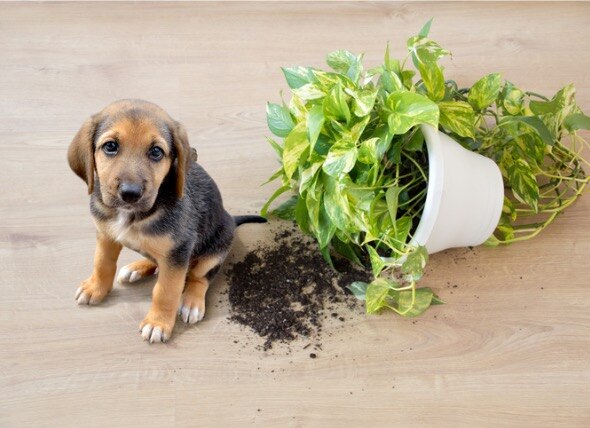
Some plants and flowers can be toxic to dogs, causing symptoms ranging from mild irritation to life-threatening illness.
Exposure to certain plants may lead to:
- Swelling of the mouth
- Vomiting
- Tremors or loss of coordination
- Seizures
- Difficulty breathing
- In severe cases, death
However, that doesn’t mean you need to avoid plants altogether. Many plants safe for dogs can still be used to decorate your home or given as gifts.
Before bringing home a new houseplant or floral arrangement, it’s important to confirm that it is non-toxic and safe for dogs.
Key Takeaways
- Many flowers and houseplants are safe for dogs and can be used in pet-friendly homes.
- Common plants safe for dogs include roses, sunflowers, spider plants, and herbs like basil and rosemary.
- Even non-toxic plants can cause mild stomach upset if eaten.
- The safest approach is to avoid toxic plants entirely and choose pet-safe alternatives in your home.
Flowers That Are Safe for Dogs
Many flowers are considered non-toxic and safe for dogs, making them great options for pet-friendly homes.
Some common flowers safe for dogs include:
- Alstroemeria
- Asters
- Gerber daisies
- Orchids
- Roses
- Snapdragons
- Statice
- Sunflowers
While these flowers are generally safe, it’s still best to prevent your dog from chewing on plants, as ingestion of any plant material can cause mild stomach upset.
Houseplants That Are Safe for Dogs
Many houseplants are safe for dogs and can be used to create a pet-friendly home.
Here are some common plants safe for dogs, organized by type:
Ferns
- Boston fern
Herbs
- Basil
- Cilantro
- Dill
- Lemon balm
- Rosemary
- Sage
Perennials
- African violet
- Aluminum plant (also known as watermelon plant)
- Bamboo
- Friendship plant
- Spider plant (also called spider ivy)
- Swedish ivy
Succulents
- Blue echeveria (wax rosette, painted lady)
- Christmas cactus
- Haworthia
- Hens and chicks
Palms
- Areca palm
- Dwarf date palm
- Parlor palm (also known as bamboo palm, good luck palm)
- Lady palm
Even with pet-safe plants, it’s best to discourage chewing, as eating any plant may still cause mild digestive upset.
Why Do Dogs Eat Plants and Flowers?
Dogs often eat plants and flowers out of curiosity, especially when exploring new environments.
Young dogs in particular tend to investigate objects by chewing or tasting them, which can lead to accidental ingestion of plants.
“Exposure of dogs and cats to household plants occurs commonly, especially with younger animals that tend to be very inquisitive. Some plants are extremely toxic to our pets,” says Dr. David Dorman, DVM and professor of Toxicology at North Carolina State University of Veterinary Medicine.
Dr. Dorman says, “It’s important to remember that your pet cannot distinguish between safe-to-eat plants and those that are dangerous. The key to preventing poisonings in your pets is to prevent exposure."
What To Do if You Suspect That Your Dog Ate a Toxic Plant or Flower
If you think your dog has eaten a toxic plant, treat it as a potential emergency and act immediately.
Plants that are poisonous to dogs can cause a wide range of symptoms, from mild digestive upset to severe, life-threatening complications.
If your dog may have ingested a toxic plant—or is showing any signs of poisoning—contact one of the following right away:
- Your veterinarian
- ASPCA Animal Poison Control Center: 888-426-4435
- Pet Poison Helpline®: 855-764-7661
Keep in mind that acting quickly can significantly improve your dog’s outcome.
To prevent future incidents, always research plants before bringing them into your home and choose only pet-safe options.
Plants and Flowers Safe for Dogs FAQs
Can dogs eat plants that are labeled “safe”?
Even safe plants should not be eaten regularly.
While non-toxic plants won’t cause poisoning, they may still lead to mild digestive upset like vomiting or diarrhea if consumed in large amounts.
How can I make my home plant-safe for my dog?
The best way to keep your dog safe is to remove toxic plants and choose pet-safe alternatives.
You can also supervise your dog, keep plants out of reach, and redirect chewing behavior with safe toys.


