Aloe Vera Poisoning in Dogs: Causes, Symptoms, and How To Prevent



RossHelen/iStock/Getty Images Plus via Getty Images
Aloe vera is a cactus-like plant that has been historically used to treat various ailments, including burns, skin conditions, inflammatory bowel disease, and diabetes. Both oral and topical products are derived from the aloe vera plant.
Because it is a relatively common plant, there are numerous opportunities for dogs to be exposed to it. Dogs may eat the plant material itself, ingest products containing aloe vera gel, or be exposed to aloe vera-containing products if they are applied directly.
Key Takeaways
- The white sap of an aloe vera plant found inside the plant’s leaves is toxic to dogs.
- The gel inside aloe leaves is generally safe, but many aloe-based products may contain other harmful ingredients, so always check labels if your dog accidentally ingests any type of aloe vera product.
- If you suspect your dog ingested any part of an aloe plant, contact your vet or Pet Poison Helpline to determine next steps.
- To prevent aloe poisoning in a dog, keep aloe plants and aloe-containing products out of your dog’s reach, and never apply aloe products to your dog’s skin.
What Is Aloe Vera?
Aloe vera grows in hot climates, such as Texas, Arizona, and California, but can also be frequently found indoors throughout the country as a potted plant. Aloe vera is a succulent, and when planted indoors, it can be mixed with other plants.
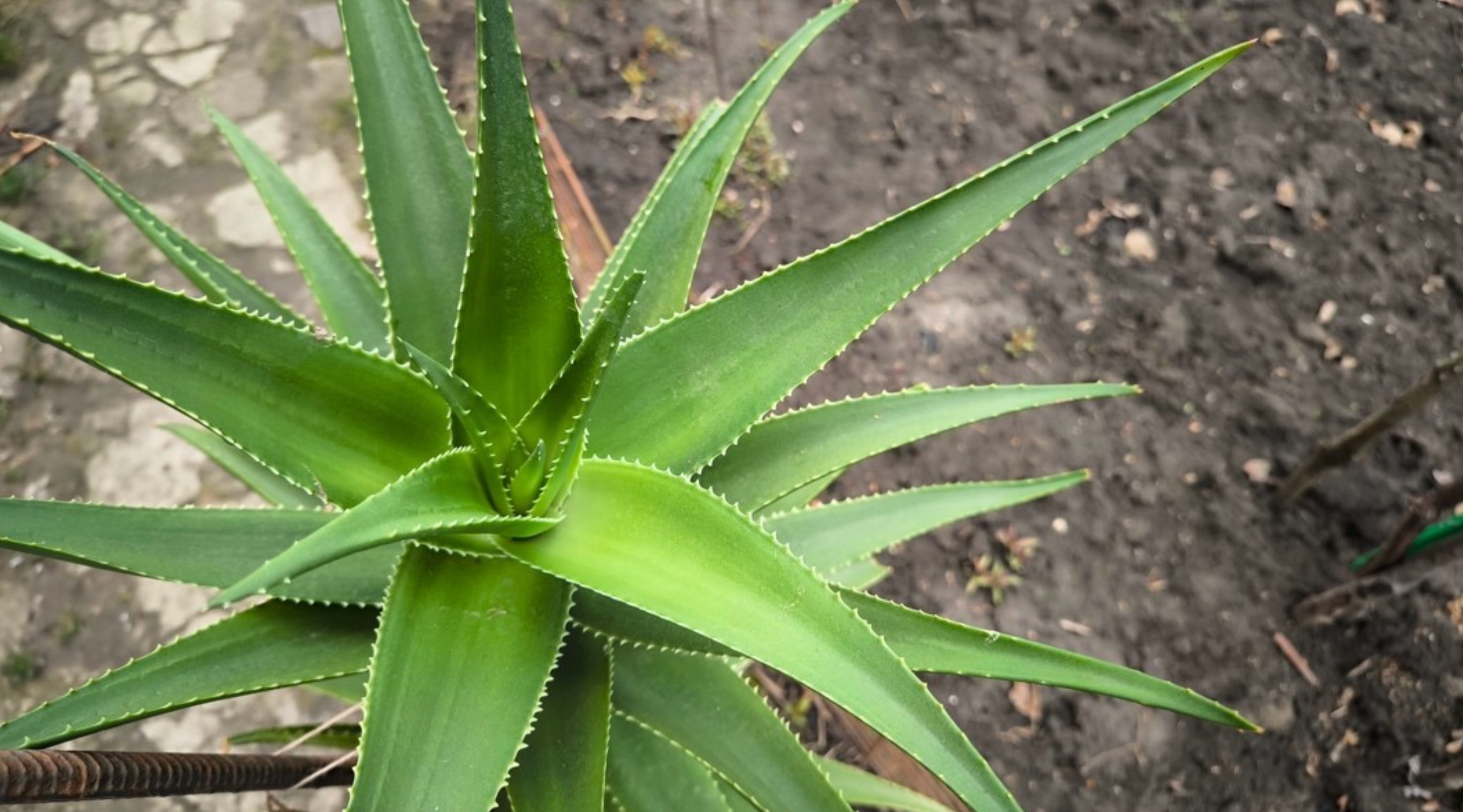
There are two liquids inside the leaves of the aloe vera plant. The gel, which is typically considered to be nontoxic in dogs, is used to make topical products for skin conditions. However, the white sap present in the leaves, which is called aloin, can be problematic and has a laxative effect when ingested.

What Is Aloe Vera Poisoning in Dogs?
Aloe vera can be toxic to dogs. The white sap present in the leaves is highly irritating to the gastrointestinal tract and can cause severe diarrhea and decreased energy levels if ingested. However, the gel component of the leaves is nontoxic and is considered edible.
Because topical products such as aloe vera gel are made from the gel component of the aloe vera plant, poisoning from ingestion of these products is not expected (there have been no reported cases at this time), unless there are other elements in the product such as lidocaine, which can be toxic. Stomach upset may still occur, however.
The plant material itself is tough and can be irritating to the gastrointestinal tract when ingested or with physical contact. When ingested, there is also a component in the plant that can cause a dog’s urine to turn red. This urine is not harmful, but it can be unsettling to see.
What Causes Aloe Poisoning in Dogs?
Most common ways dogs can ingest aloe:
-
Eating indoor and outdoor aloe plants
-
Ingesting aloe vera products
-
Exposure to aloe vera in their environment or on their skin (e.g., aloe vera lotion)
Symptoms of Aloe Vera Poisoning in Dogs
Common symptoms associated with aloe vera poisoning in dogs may include:
My Dog Ingested Aloe. Now What?
If your pet ingested any type of aloe product, separate them from the plant or product and immediately call your veterinarian or the Pet Poison Helpline at 1-855-764-7661.
If your dog ingested plant material, try to estimate how much they consumed. Also, try to determine if other plants were ingested.
If your dog ate an aloe vera-containing product, review the packaging to see if there are any other concerning ingredients and to determine if they ingested any of the packaging. It’s important to observe your pup for any signs of poisoning.
How is Aloe Vera Poisoning Treated in Dogs?
Treatment will depend on the severity of the poisoning and the type of aloe vera ingested. Depending on the type and amount ingested, your dog may be monitored at home or need to be seen at a veterinary clinic.
If your dog requires a veterinary visit, they may need hydration support or medications to help manage vomiting and diarrhea. Do not administer any at-home remedies or induce vomiting in your dog before talking to your veterinarian or Pet Poison Helpline.
How to Prevent Aloe Poisoning in Dogs
It’s important to make sure your dog does not have access to any aloe vera-containing products in the house. If you have an area of the house with lots of indoor plants, consider setting up a dog gate to block them from entering that room.
If you have aloe plants growing in your backyard, you can use chicken wire to block your dog’s access to these plants or invest in an outdoor playpen for your pup during their outside time.
Never apply any type of aloe product lotion to your dog’s skin.
Aloe Poisoning in Dogs FAQs
Is aloe toxic to dogs?
Yes, aloe vera can be toxic to dogs. The white sap inside the leaves of the aloe vera plant is poisonous and can cause severe diarrhea and gastrointestinal upset. The gel from the aloe plant, however, is not toxic.
How much aloe vera is toxic to dogs?
There is no specific toxic dose; any exposure can be problematic.
What happens if my dog licks aloe vera lotion?
If your dog licks aloe vera lotion, significant problems are not expected from the aloe vera itself. However, pet parents should ensure that no other ingredients in the product are toxic.





