Cryptococcosis in Cats: What It Is and How To Treat It



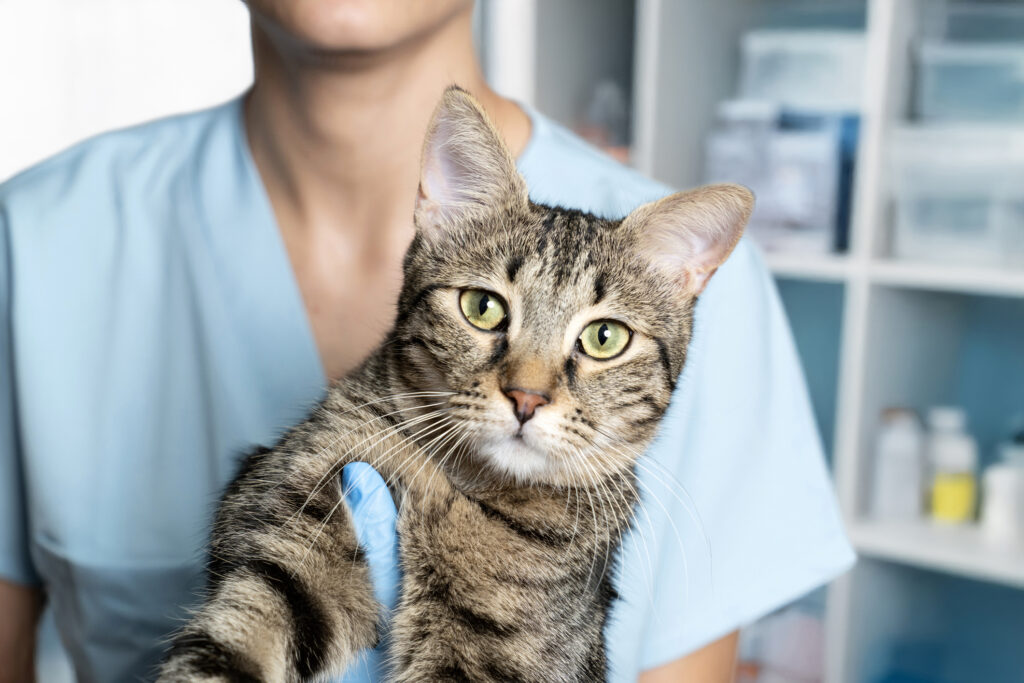
ArtPhoto21/iStock/Getty Images Plus via Getty Images
Systemic fungal infections occur when fungal spores (like microscopic seeds) enter a cat’s body.
Pathogenic spores are found regionally outdoors and typically enter a cat’s body through their respiratory tract.
Cryptococcosis in cats is the most common cause of systemic fungal infections, although fungal diseases are rare in the species overall.
In this article, you’ll learn everything you need to know about cryptococcosis in cats.
Key Takeaways
- Cryptococcosis is the most common systemic fungal infection in cats, typically contracted by inhaling spores from bird droppings or decaying plant matter.
- Symptoms vary depending on the body part affected and may include nasal swelling, sneezing, neurological signs, or skin nodules.
- Treatment involves long-term antifungal medication, and early diagnosis improves outcomes, though recovery may take several months to a year.
What Is Cryptococcosis in Cats?
Cryptococcosis in cats is a systemic infection caused by the fungal organism Cryptococcus.
Most cats are exposed by breathing in fungal spores found in decaying plants and bird droppings.
The fungus can localize in a cat’s nose, nervous system, skin, or bloodstream (systemic), and cause several symptoms.
However, the nasal form of cryptococcosis is most common in cats.
Cryptococcosis is generally not considered a medical emergency, but reaching a diagnosis and starting treatment quickly typically leads to a better long-term prognosis.
Symptoms of Cryptococcosis in Cats
Since cryptococcosis in cats can affect different parts of the body, symptoms can vary.
Common signs of cryptococcus fungi in cats include:
-
Non-healing wounds on the face or bridge of the nose
-
Itchy nodules under the skin
Causes of Cryptococcosis in Cats
Cryptococcosis in cats is caused by the Cryptococcus fungus. Cryptococcus neoformans and Cryptococcus gattii are the most common species of this fungus that cause disease in cats.
Cryptococcosis in cats is seen more often along the U.S. Pacific coast in California, Oregon, and Washington.
The fungus grows naturally in decaying plant matter. It’s often present in the feces of several bird species, with pigeons being the most common carriers.
The cryptococcus spores pass harmlessly through their gut and grow and flourish in their excrement. In fact, cryptococcus can live in pigeon droppings for two years if conditions are favorable.
How Veterinarians Diagnose Cryptococcus in Cats
Following a thorough exam, your veterinarian will recommend specific diagnostic tests to determine whether your cat has cryptococcosis.
Many vets will start with routine blood work and imaging, like X-rays, to rule out other more common diseases.
If cryptococcosis is suspected, several diagnostic tests can help your vet reach a diagnosis.
Selection will be based on your cat's symptoms and your veterinarian’s preference. The following are commonly used tests for diagnosing cryptococcosis in cats:
-
Latex agglutination test (LAT): This test uses body fluids, such as blood or urine, to look for Cryptococcus antigens. The presence of Cryptococcus antigen in your cat’s blood, urine, or cerebral spinal fluid is diagnostic for cryptococcosis.
-
Cytology: Your vet may collect secretions from your cat’s nasal cavity and examine them under a microscope for fungal organisms. Finding the organism on the slide is diagnostic for cryptococcus. However, the absence of cryptococcus does not mean that your cat doesn’t have a cryptococcus infection. This test is a low-cost way to screen for cryptococcosis.
-
Fungal culture (mycology): Cryptococcosis, especially the nasal form, can be localized to one area of your cat’s body. This can lead to a negative test result if a sample is collected from elsewhere in the body. In these cases, samples can be submitted to a lab for a fungal culture to see if the organism will grow on a petri dish. The sample area will depend on your cat’s clinical signs. For example, if you cat has nasal swelling and sneezing, a nasal swab may be used. Urine is also commonly collected and submitted for fungal culture.
-
Histopathology (biopsy): A tissue sample can be taken from an affected region and submitted for laboratory testing to look for the Cryptococcus organism.
Some tests may require mild sedation to collect a good sample, so pick up your cat’s food and water bowls by midnight the night before their appointment. It’s safest for your cat to have an empty stomach before being sedated to avoid vomiting.
Treatment of Cryptococcosis in Cats
Cryptococcosis in cats is curable. The infection responds well to treatment when cats have mild symptoms and the infection is caught early.
Cats with more severe symptoms or neurological signs have a more guarded prognosis. Cats who also have feline leukemia (FeLV) may not be cured, and treatment may focus on making them more comfortable and extending the time they have left.
It’s important to note that treatment for cryptococcosis takes many months and requires frequent monitoring and follow-up appointments with your cat’s veterinarian.
Repeat blood work and antigen testing will be needed to ensure your cat is tolerating the medication and the infection is improving.
Treatment is usually continued at least two to four months after a cat tests negative.
Cryptococcosis is treated with a combination of medications.
In addition to an oral systemic antifungal medication that can be given at home—such as fluconazole, itraconazole, voriconazole, or ketoconazole—your veterinarian may prescribe amphotericin B, which is often given as an infusion over several hours in a hospital setting.
If this is the case, you will need to need to bring your cat into the clinic several times a week for treatment.
Prior to medication therapy, some cats may require surgery to remove masses or nodules where the fungus has accumulated.
Recovery and Management of Cryptococcosis in Cats
Cats can recover from cryptococcosis and lead normal lives, especially when the infection is caught early. Recovery may take up to a year, as cats typically require treatment over many months.
While your cat is undergoing treatment, monitor them closely for any side effects from the medications, such as a decreased appetite, vomiting, or diarrhea.
If side effects develop, your veterinarian may decide to adjust the medication dose or prescribe additional medications, such as an antinausea medication (like Cerenia) or appetite stimulant (such as Mirataz).
Talk to your vet if your cat is not responding well to treatment.
If your cat had surgery in addition to medical therapy, consider using a recovery collar or recovery suit until the incision has healed.
Probiotics, like Purina FortiFlora or Nutramax Proviable, may be helpful in protecting your cat’s gut health while they are undergoing treatment.
Prevention of Cryptococcosis in Cats
The easiest way to reduce your cat’s risk of contracting cryptococcosis is to keep them indoors.
Since the fungal infection is spread through spores found outdoors in decaying plant matter and bird feces, preventing your cat’s access to these things can significantly reduce their chance of acquiring the infection.
Cats are much more susceptible to cryptococcosis than other species. There are some reports of indoor cats becoming infected after fungal spores were tracked into the house by housemates who go outdoors.
Taking your shoes off at the door and wiping your dog’s paws before they come inside can further help reduce your cat's risk of being exposed to Cryptococcus spores.
Cryptococcosis in Cats FAQs
What are the symptoms of cryptococcosis in cats?
Symptoms of cryptococcosis vary depending on what part of a cat’s body is affected by the fungal infection. Common symptoms include nasal swelling, sneezing, difficulty breathing, balance issues, lymph node swelling, and decreased energy and appetite.
Is cryptococcosis in cats contagious to humans?
While humans can also get cryptococcosis after breathing in fungal spores, the infection is not considered contagious. Cryptococcosis doesn’t spread from infected cats to humans.
How does an indoor cat get a fungal infection?
An indoor cat can become infected with Cryptococcus if infective spores are tracked indoors on the shoes of their pet parents or the paws of other housemates that go outdoors, like dogs. While this isn’t common, cats are much more susceptible to the disease than other species.
How does a cat get crypto?
Cats get cryptococcosis by breathing in fungal spores, most often found in decaying plant matter and in piles of bird droppings, especially from pigeons.


