Neurological Disorders in Cats


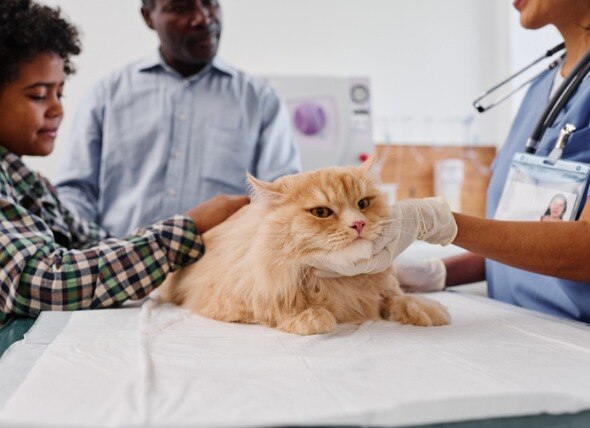
Neurological disorders in cats can change how they move, behave, and interact with their environment. While many cats never develop these conditions, recognizing the warning signs can help pet parents seek veterinary care early.
Understanding common neurologic diseases can also help you know when a specialist, such as a veterinary neurologist, may become involved in your cat’s care.
Key Takeaways
- Neurological disorders in cats affect the brain, spinal cord, or nerves and can cause weakness, seizures, balance problems, or behavior changes.
- Common feline neurological problems include brain tumors, vestibular syndrome, infectious disease, spinal cord injuries, and neuromuscular disorders.
- Diagnosis typically requires a neurologic exam and advanced imaging such as MRI or CT.
- Treatment depends on the underlying cause and may include medication, surgery, or supportive care.
What Does a Cat's Nervous System Do?
The cat’s nervous system controls thinking, behavior, movement, balance, and organ function.
It includes the brain, spinal cord, and nerves. The brain allows decision-making, memory, and emotional control. The nervous system also coordinates muscle movement, giving cats their agility and dexterity.
Signs of Neurological Disorders in Cats
Common signs of feline neurological problems include:
-
Weakness
-
Loss of balance or vertigo
-
Urinary or fecal incontinence
-
Behavior changes
-
Disorientation
-
Circling
-
Pain (vocalizing, avoiding handling)
-
Hiding
If you notice these signs, contact your veterinarian for evaluation.
Most Common Neurological Disorders in Cats
Neurological disorders in cats may result from birth defects, infection, trauma, aging, or underlying disease.
Brain Tumors
Brain tumors most commonly affect older cats and may cause seizures. Common types, including meningiomas and pituitary macroadenomas, are often treatable and in some cases can be cured.
Because primary epilepsy is uncommon in cats, seizures that begin later in life often warrant further investigation for an underlying brain tumor.
Cognitive Dysfunction
Cognitive dysfunction is an age-related condition similar to Alzheimer’s disease in people. Affected cats may appear confused, disoriented, or fail to recognize familiar people. Management may include environmental enrichment, nutrition support, and medications that help regulate sleep.
Hydrocephalus (Water on the Brain)
Hydrocephalus is a congenital condition caused by a buildup of cerebrospinal fluid within the brain.
Affected kittens may appear confused or disoriented and may struggle with coordination, social interactions, or learning litter box habits.
Although they may require special care, many cats with hydrocephalus can live good-quality lives with attentive management.
Cerebellar Hypoplasia
Cerebellar hypoplasia is a birth defect caused by feline panleukopenia virus exposure during pregnancy.
The cerebellum controls coordination and balance, so cats with this condition are permanently wobbly but not painful, and their quality of life is typically good.
Infectious Disease
Certain infectious diseases—including toxoplasmosis, fungal infections, and feline infectious peritonitis (FIP)—can cause neurologic damage in cats.
FIP develops when feline coronavirus mutates within the body. While the virus usually causes mild gastrointestinal illness, the dry form of FIP is most commonly associated with neurologic signs.
Vestibular Syndrome (Vertigo)
Vestibular syndrome causes sudden balance loss, head tilt, falling, and abnormal eye movements.
Possible causes include:
- Idiopathic (unknown) vestibular disease
- Inner or middle ear infections
- Stroke
- Brain tumors
- Feline infectious peritonitis (FIP)
- Parasite migration in certain regions
Idiopathic vestibular disease is the most common cause in older cats and often improves over time.
Spinal Cord Issues
Spinal cord disorders can cause weakness, paralysis, or abnormal gait in cats.
Possible causes include trauma, infectious diseases such as feline infectious peritonitis (FIP), and intervertebral disc disease.
Advanced imaging, such as MRI or CT scans, is often required to diagnose spinal cord conditions.
Neuromuscular Disorders
Neuromuscular disorders affect the communication between nerves and muscles.
Signs may include:
- Head and neck weakness
- Walking on the wrists or ankles
- Exercise intolerance
Possible causes include myasthenia gravis, thiamine deficiency, and complications of metabolic diseases such as diabetes or kidney disease.
How Vets Diagnose Neurological Issues in Cats
Diagnosing neurologic disorders in cats begins with a detailed medical history and a comprehensive neurologic examination.
The exam evaluates behavior, posture, reflexes, pain response, coordination, and gait. These findings help veterinarians determine which part of the nervous system may be affected.
Additional diagnostic testing may include:
- Bloodwork
- X-rays
- CT or MRI scans
- Spinal tap (cerebrospinal fluid analysis)
- Electrodiagnostic testing
Videos of abnormal behavior can also help veterinarians identify subtle neurologic signs.
Treatment for Neurological Disorders in Cats
Treatment depends on the specific neurologic condition affecting your cat.
Possible treatments may include:
- Antibiotics or antifungal medications for infections
- Steroids or other anti-inflammatory medications
- Antiseizure medications
- Surgery for tumors or spinal injuries
- Chemotherapy or radiation therapy for certain cancers
- Nutritional management for diet-related deficiencies
Many neurologic disorders can be treated or successfully managed with appropriate veterinary care.
Can You Prevent Neurological Disorders in Cats?
Some neurologic disorders cannot be prevented, but regular preventive care can help reduce risk.
Recommendations include:
- Regular veterinary exams
- Age-appropriate lab work
- Blood pressure monitoring
- Keeping vaccinations up to date
- Parasite prevention
- Balanced nutrition
These measures help detect or manage underlying diseases—such as kidney disease, hypertension, and diabetes—that can lead to neurologic complications.
Avoid giving medications that are not approved for cats, as some dog products can cause seizures or tremors.
Frequently Asked Questions About Neurological Disorders in Cats
What are the first signs of neurological problems in cats?
Early signs often include weakness, wobbliness, behavior changes, seizures, or loss of balance.
Are neurological disorders in cats treatable?
Many feline neurological problems are treatable or manageable depending on the cause. Early diagnosis improves outcomes.
When should I see a veterinary neurologist?
You should consider a veterinary neurologist if your cat has seizures, progressive weakness, unexplained balance issues, or if advanced imaging like MRI is recommended.
Can older cats develop neurological problems?
Yes, senior cats are more likely to develop brain tumors, cognitive dysfunction, or stroke-related neurologic disease.


