Zinc Poisoning in Dogs: Symptoms, Treatment, and Recovery


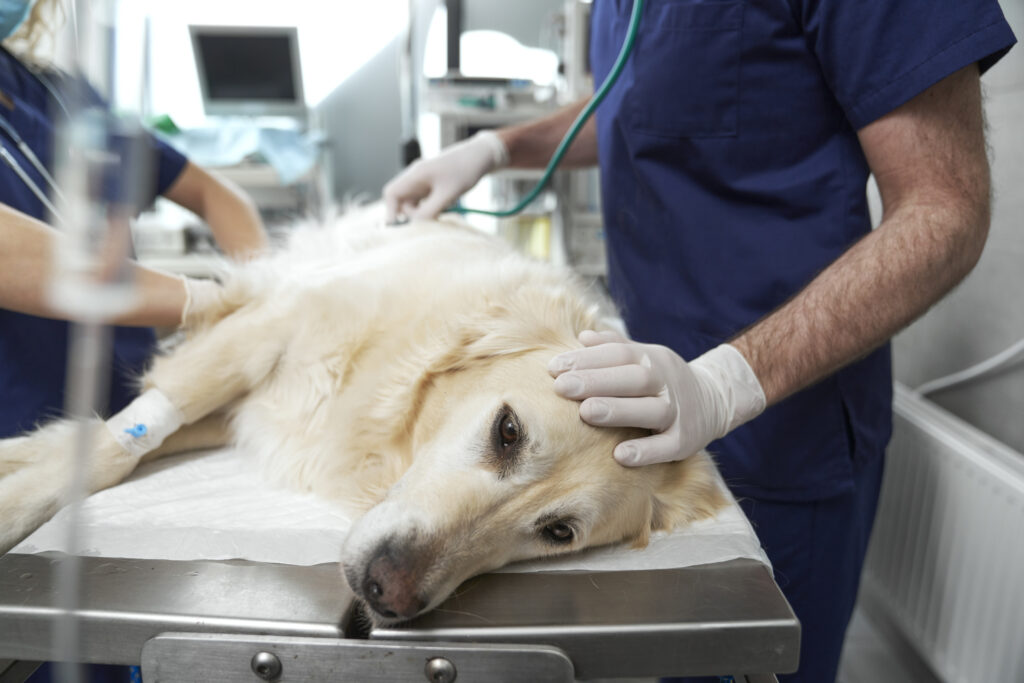
gpointstudio/iStock/Getty Images Plus via Getty Images
Zinc is an essential mineral in small amounts, but too much zinc quickly becomes toxic for dogs.
Most poisonings occur after swallowing metal objects, such as a penny, rather than eating zinc in food.
Quick diagnosis and veterinary care are very important and greatly improve outcomes.
Key Takeaways
- Zinc poisoning in dogs is a medical emergency that most often happens after a dog swallows a zinc-containing object, such as a penny minted after 1982, or another metal item.
- Early signs often include vomiting, diarrhea, decreased appetite, and lethargy, but severe cases can progress to anemia and organ damage.
- Dogs who may have swallowed zinc should be seen by a veterinarian immediately—even if they seem to be acting normally.
- Treatment focuses on removing the zinc source and giving supportive care, and the outlook is generally good when treatment begins early.
What Is Zinc Poisoning in Dogs?
Zinc poisoning in dogs refers to swallowing zinc-containing objects that leads to gastrointestinal (GI) upset, abnormal red blood cells, and organ damage.
Small amounts of normal dietary zinc are in a dog’s food. Zinc supports many body processes, including immune function, hormone regulation, and wound healing. Dietary zinc is carefully regulated to ensure it is at safe levels in dog food.
However, a dog can be exposed to toxic levels of zinc through the accidental swallowing of objects or substances that contain this chemical.
Zinc supplements, creams, and medications can cause gastrointestinal upset in dogs, but the main concern for toxic poisoning is metal items, such as pennies or bolts, because they have high levels of this mineral.
Swallowing zinc is considered a poisoning emergency because serious complications, such as organ damage, can occur. Quick veterinary treatment is crucial for the best outcome.
What Causes Zinc Poisoning in Dogs?
Zinc toxicity in dogs is caused by swallowing a zinc-containing object or substance.
Common Sources of Zinc
Common household objects that have zinc and the associated risk levels for your dog are listed below.
It’s important to note that if you think your dog swallowed a zinc-containing substance or object, call your veterinarian immediately for guidance, regardless of the risk level here.
| Household Item | Risk |
|---|---|
| Pennies minted after 1982 | Emergency |
| Galvanized nuts, bolts, screws | Emergency |
| Toys | Moderate |
| Zippers | Moderate |
| Zinc supplements | Usually mild GI upset but can become more serious depending on amount |
| Cold lozenges | Usually mild GI upset but can become more serious depending on amount |
| Zinc oxide creams/diaper cream | Usually mild GI upset but can become more serious depending on amount |
| Batteries (certain types) | Emergency |
What Are the Symptoms of Zinc Poisoning in Dogs?
Symptoms of zinc toxicosis in dogs develop in two stages.
Early symptoms can begin anywhere from a few minutes to a few days after swallowing the zinc, and advanced symptoms start days to weeks later.
Early Symptoms
Early symptoms of zinc poisoning in dogs may include:
Advanced Symptoms
Advanced symptoms of zinc poisoning in dogs may include:
- Pale gums
- Irregular heart sounds
- Increased heart rate
- Yellowing of the skin or eyes
- Weight loss
- Blood-tinged urine
- Increased thirst or urination
- Abdominal pain
- Bleeding from nose or mouth
- Skin bruising
- Sudden death
Signs worsen as more zinc releases from the metal object and builds up in the body, causing damage to red blood cells.
When red blood cells are damaged, they cannot carry oxygen well to parts of the body and normal body processes stop.
Is Zinc Poisoning in Dogs an Emergency?
Yes, zinc poisoning in dogs is considered a medical emergency.
If you think your dog swallowed a substance or object containing zinc, contact your veterinarian right away even if your dog is not showing symptoms.
You can also call the Pet Poison Helpline at (855) 764-7661 after hours for guidance.
What Should You Do if Your Dog Ate Zinc?
If you think your dog ate zinc, follow these steps:
- Stay calm.
- Prevent additional exposure.
- Call your veterinarian or Pet Poison Helpline immediately.
- Do not induce vomiting unless instructed.
- Bring the suspected object or packaging if possible.
How Do Veterinarians Diagnose Zinc Poisoning?
A veterinarian will diagnose zinc poisoning using a combination of a physical exam, history, and diagnostic testing.
Your vet will want to know what type of exposure happened (what your dog ate and how much), how long ago, and what signs (if any) your dog is showing.
To confirm whether a zinc-containing object was swallowed, diagnostic testing can include:
- Imaging: X-rays of your dog’s belly and intestines to see if a zinc-containing object or substance was swallowed.
- Blood work: A small sample of blood can be used to check for abnormalities within the red blood cells, abnormal clotting, high zinc levels, and organ dysfunction.
- Urine testing: A small sample of urine can be tested for blood and signs of organ dysfunction.
How Is Zinc Poisoning in Dogs Treated?
Treatment of zinc poisoning focuses on removal of the zinc-containing object and giving supportive care.
Removing the Zinc Source
A veterinarian can remove the zinc source using either of the following:
- Endoscopy: This is a minimally invasive procedure during which a thin tube is put into your anesthetized dog’s mouth and into the belly or intestines to retrieve the object.
- Surgery: This procedure involves making cuts directly into the anesthetized dog’s belly to remove the zinc source.
Supportive Care
Following removal of the zinc source and after ingestion of zinc-containing creams or ointments, your dog will get supportive care, which may include:
- Intravenous (IV) fluids to support hydration
- Blood transfusions (if needed) to give healthy red blood cells
- Antacids such as famotidine or calcium carbonate to decrease absorption of zinc by raising the stomach pH
- Stomach protectants, such as omeprazole or sucralfate, to treat and prevent stomach ulcers
- Anti-nausea medications, such as maropitant, to reduce nausea and vomiting
- Chelators, such as calcium EDTA, to bind zinc in the bloodstream
- Blood testing at least daily until fully recovered
Activated charcoal does not work for zinc poisoning because it does not bind zinc.
Can Dogs Recover From Zinc Poisoning?
Yes, most dogs recover from zinc poisoning when diagnosis and treatment happen early.
The longer the zinc object stays in the dog’s body, the more zinc builds up, which may cause serious complications.
Dogs generally recover within two to three days after the zinc source has been removed.
Bring your dog to all follow-up visits recommended by your veterinarian to support your pet’s recovery.
How Can You Prevent Zinc Poisoning in Dogs?
To prevent zinc toxicosis in your dog, you can do the following:
- Keep coins safely out of reach of your dog.
- Store vitamins containing zinc securely.
- Secure all hardware and galvanized metals.
- Keep topical creams out of reach.
- Always supervise puppies who like to chew on non-food items.
Zinc Poisoning in Dogs FAQs
Can one penny cause zinc poisoning in a dog?
Yes, one penny can cause zinc poisoning in a dog. Pennies, especially those made after 1982, contain high levels of zinc that are dangerous for dogs.
Are pennies still dangerous to dogs?
Yes, pennies with high levels of zinc, especially those made after 1982, are dangerous. Ensure pennies are always kept safely out of reach of your dog.
Is zinc oxide sunscreen toxic to dogs?
While zinc oxide sunscreen has zinc, its risk level to dogs is considered low. Generally, after it is licked or swallowed, you may see mild gastrointestinal upset. However, if a large amount is eaten, more serious complications can occur.
How long does zinc poisoning take to develop?
Symptoms of zinc poisoning can take anywhere from minutes to a couple days to develop. If you know your dog was exposed to high zinc levels or ate a zinc-containing object, do not wait for symptoms to start before reaching out to a veterinarian. Early treatment is crucial.
Can dogs survive zinc poisoning?
Yes, with early diagnosis and treatment, most dogs with zinc poisoning have a good outcome.
What does zinc poisoning do to a dog's blood?
High levels of zinc in a dog’s blood damage red blood cells and can lead to anemia. This prevents organs and the body from working normally, because they do not get enough oxygen.


