12 Interesting Facts About Your Dog’s Tongue


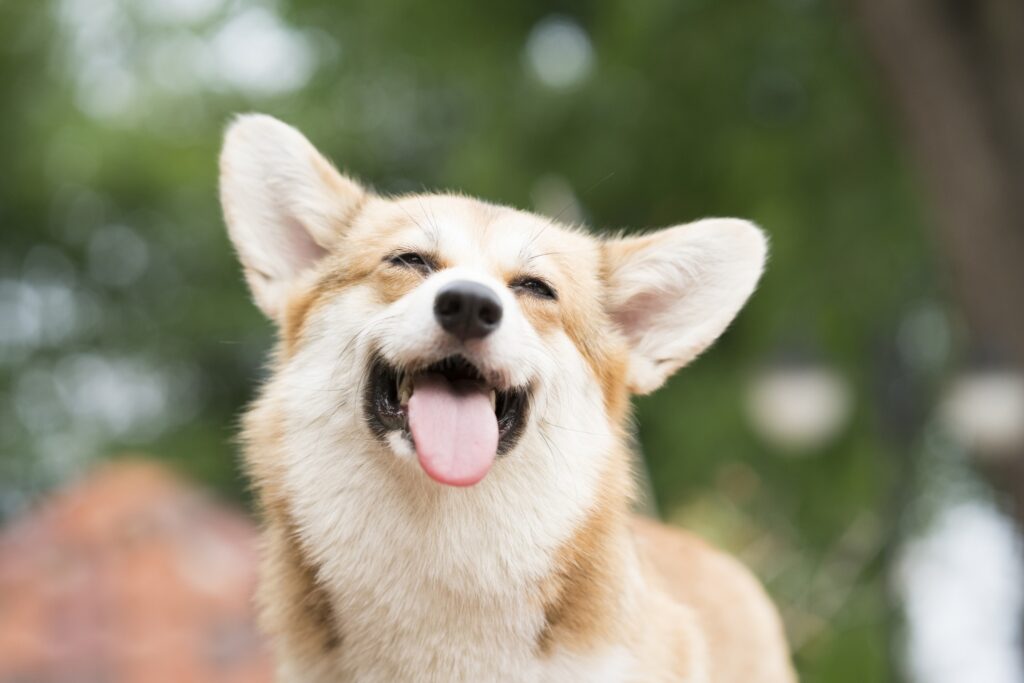
Tatomm/iStock / Getty Images Plus via Getty Images
Whether it’s getting every last morsel of food from their bowl, panting after a game of fetch, or showering you with kisses, a dog’s tongue plays an important role in how they interact with their environment.
Here are some interesting facts you probably don’t know about dog tongues.
Key Takeaways
- A dog’s tongue helps them cool down through panting.
- Changes in tongue color can signal serious health issues and require vet attention ASAP.
- Licking can have a calming effect for dogs, but excessive licking can indicate anxiety, pain, allergies, or nausea.
- Despite myths, dog mouths are not cleaner than human mouths.
1. Dogs Pant To Cool Down
Dogs don’t sweat in the same way as humans—they only have sweat glands on their paw pads and noses, which are called merocrine glands. Instead, dogs rely on panting to keep cool.
When dogs pant, air moves rapidly over their tongue and through their mouth and lungs, allowing moisture to evaporate and cool them down. This process is called thermoregulation and is incredibly important when a dog gets hot.
If you notice your pup panting excessively on a warm or hot day, get them into a cooler location and give them plenty of water to avoid possible heatstroke.
Some dogs are more sensitive to overheating than others, so be vigilant.
2. Dogs Rely on Smell Over Taste To Decide if They Want To Eat Something
While dogs have more taste buds than cats, they have far fewer than humans. Dogs only have around 1,700 taste buds, while humans can have as many as 10,000.
Like humans, dogs can taste bitter, salty, sweet, and sour. But because they don’t have as many taste buds, they use their stronger sense of smell far more than their sense of taste when deciding what to lick or eat.
3. A Dog’s Tongue Is Usually Warm
If your dog’s tongue feels extra warm when they lick you, it’s likely because the normal body temperature for dogs is 101–102.5 F.
If your dog is running a fever, their tongue may feel even warmer. But don’t count on this as an accurate assessment of their body temperature. Taking a dog’s temperature by placing a thermometer in their rectum is most accurate.
If your dog has been panting in a cool room or eating ice cubes or snow, their tongue may feel cool due to the evaporation of saliva from the surface of their tongue. However, it should quickly return to a warm temperature when they stop panting.
4. Not All Dogs Have a Pink Tongue
When most of us think of a happy, panting dog, we imagine a bright pink tongue lolling out of the side of their mouth. A pink, moist-to-slobbery tongue is normal and healthy for most dogs, but not every dog’s tongue is pink.
Two dog breeds, the Chow Chow and the Chinese Shar-Pei, are known for having blue or blue-black tongues. Mixed breeds may also have blue-black tongues or blue-black spots on their tongues.
If your dog’s tongue is normally pink, a sudden color change may indicate a medical emergency.
-
A dark red, purple, or blue-tinged tongue could be a sign of heatstroke, toxin exposure, lung or heart disease, or electrocution.
-
A pale pink-to-white tongue could be a sign of severe anemia.
If you notice these changes in your dog’s tongue, call your veterinarian right away.
5. Licking Has a Calming Effect for Dogs
Studies have shown that licking releases endorphins in a dog’s brain. Endorphins are neurotransmitters that make dogs feel calmer and more relaxed.
However, licking may sometimes become a problem. If your dog licks you or themself excessively, especially in times of stress, talk to your veterinarian about possible anxiety issues in your dog.
Excessive licking can also be a sign of parasites, pain, allergies, and nausea.
6. Dogs’ Mouths Are Not Cleaner Than Ours
Contrary to popular belief, a dog’s mouth is definitely not cleaner than a human’s. Research has found that both dogs and humans have over 600 species of bacteria in their mouths.
Most of the bacteria in your dog’s mouth cannot cause you to get sick (you won’t catch the common cold from kissing your dog), but there are some exceptions. So stay safe and let your pooch give you a kiss on the cheek—not your mouth—instead.
7. Licking Won’t Heal Wounds
Another myth says that dog saliva can help heal wounds. And while there are proteins in saliva called histatins that inhibit infection, dog saliva itself won’t cure wounds.
While licking can remove debris from a wound (therefore decreasing the chance of infection), too much licking can damage the skin and potentially lead to bigger problems, like hot spots.
8. You Could Be Allergic to a Dog’s Saliva
Dog allergies affect 10–20% of people globally. And while it’s often assumed that people with allergies to dogs are reacting to fur, their saliva might be the culprit.
Dog saliva contains the protein Can f1, which can cause an allergic reaction in some people. This protein is also found in a dog’s urine and dander.
If you’re allergic to dog saliva, the good news is that there are ways to manage your allergies, such as using air purifiers and vacuuming frequently.
9. Dogs Don’t Need Rough Tongues Like Cats Do
If you’ve ever been licked by a cat, you know that their sandpapery tongues feel much different than a smooth-tongued lick from a dog.
Cat tongues have firm, rear-facing barbs called filiform papillae. These barbs act like a comb for the fur when cats groom themselves.
Most wildcats hunt alone, but many smaller species of wildcats, including our domesticated feline friends, are small enough that they can also become prey for larger animals. This makes it important for them to keep themselves meticulously groomed, minimizing their odor for predators.
On the other hand, wild dogs (or domesticated dogs that live as strays) hunt in packs and nearly always play the role of predator in the food chain. This makes grooming and scent reduction far less important, so a smooth tongue meets their needs.
10. Some Dogs’ Tongues Are Too Long for Their Mouths
Macroglossia is the medical term for when dogs have an abnormally large tongue. It’s a rare condition, but some short-faced or brachycephalic dog breeds like French Bulldogs, Pugs, and Boxers can have tongues that are too long for their mouths due to their flatter face anatomy.
11. A Dog’s Tongue Helps Them Communicate and Interact With the World
Dogs learn very early in life that their tongues are useful tools in communicating and interacting with the world around them. Mother dogs lick their pups to clean and stimulate them as soon as they are born. For the first few weeks of their lives, puppies are also licked by mother dogs to prompt them to urinate and defecate.
As they grow, dogs will lick one another to show affection and also to comfort themselves and their littermates.
Dogs use their tongues and lick for number of other reasons, including:
-
To better smell things they are interested in
-
To communicate anxiety
-
To combat an upset stomach
12. Your Dog Can’t Help Spilling Their Water When They Drink
If you’ve been lucky enough to live with both dogs and cats, you may have noticed that while cats rarely spill a drop of water while they’re drinking, many dogs splatter the floor with water when quenching their thirst.
Why are dogs so messy and cats so neat? The answer is in how dogs curl their tongues when they drink.
Both cats and dogs dip their tongues into water and quickly retract it back, creating a column of water that they bite and then swallow. When they do this, cats move their tongues quickly (up to four laps per second), but dogs curl the tip of their tongue backward to spoon the water up into their mouths.
The bigger the tongue, the bigger the spoon, and the bigger the mess!


