12 Dog Breeds Susceptible to Arthritis



Chewy
Arthritis is when a dog’s joints break down with age, and some breeds are more prone to arthritis than others. If your pup comes from one of these breed families, early prevention is key to helping them stay mobile as long as possible.
Key Takeaways
- Genetics, body condition, and nutrition all influence whether a dog is susceptible to arthritis.
- Large breeds are typically more prone to arthritis, but some smaller breeds are also at a higher risk.
- Keeping your dog at a healthy weight, prioritizing low-impact exercise, and working closely with your vet can help keep your dog healthy.
Why Are Some Dog Breeds More Prone to Arthritis?
“Many factors can contribute to the development and progression of osteoarthritis in dogs,” says Anne Ward, DVM, scientific communications manager at Royal Canin.
-
Genetics play a role, as osteoarthritis is more common in certain breeds, especially large and giant breeds.
-
Larger breeds are also prone to joint conditions like hip dysplasia and elbow dysplasia, where joints don’t form normally. “This can cause chronic instability within the joints that, over time, leads to osteoarthritis,” Dr. Ward says.
-
Obesity in dogs can put extra strain on joints, causing arthritis to progress and become more severe.
-
Dogs who participate in frequent, intense, high-impact exercise (such as jogging) are at greater risk of arthritis.
Other common factors that lead to the development of arthritis include “injuries or structural instabilities, joint infections, or other autoimmune diseases,” says Gabriela Baers, DVM, DACVR, DACVR-EDI with the Orthopedic Foundation for Animals (OFA).
What Dog Breeds Are Prone to Arthritis?
Here are the most common dog breeds prone to arthritis.
1. Labrador Retriever

“When I worked in small animal practice, Labrador Retrievers were one of the most common breeds that I treated for osteoarthritis,” Dr. Ward says. The Lab’s genetic predisposition for both elbow and hip dysplasia can lead to arthritis down the line if pet parents don’t follow proper prevention methods.
Dr. Ward says Labs also tend to struggle with obesity and cruciate ligament injuries. Check with your vet about high-quality dog food and fish oil supplements to help with joint inflammation and degeneration so your Lab can live their best life as long as possible.
2. Golden Retriever
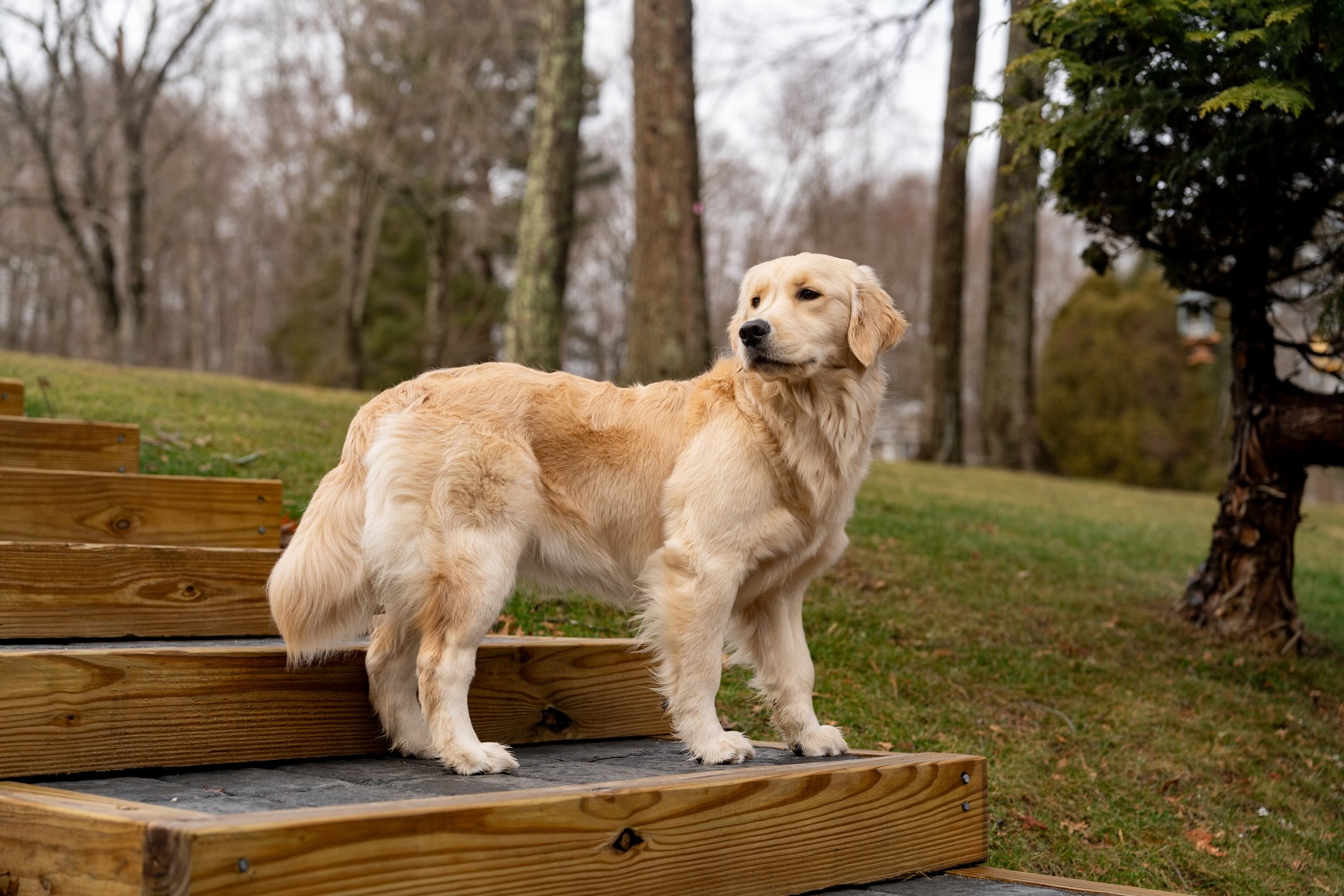
Golden Retrievers can be prone to obesity if they don’t get enough exercise (or get too many dog treats). Keep up with vet appointments to watch for signs of arthritis, and keep your Golden at a healthy weight to keep pressure off their joints. If your Golden is overweight, talk to your vet about a weight management dog food.
3. German Shepherd
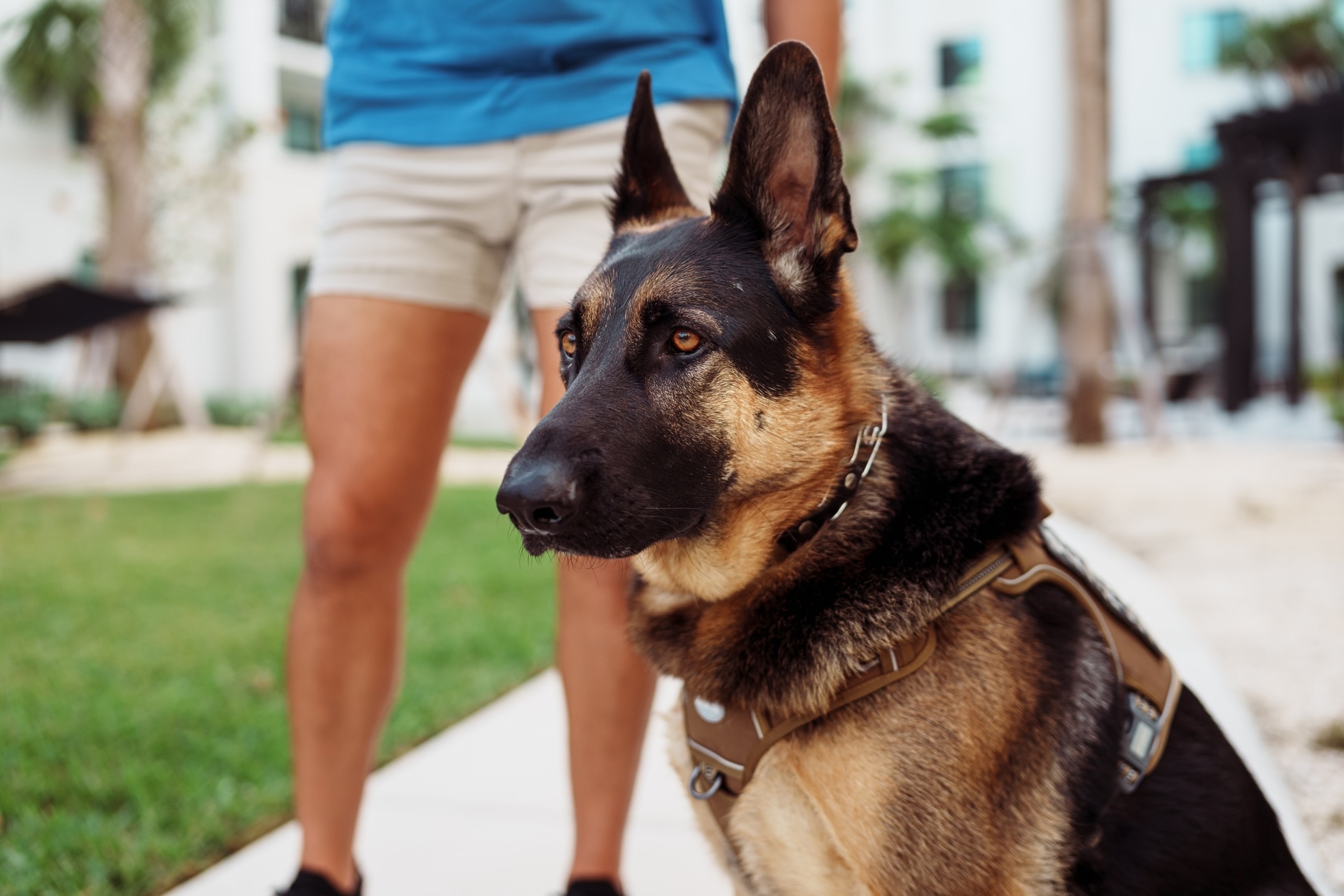
As much as 3% of all dogs will develop hip dysplasia at some point in their life, according to the Universities Federation for Animal Welfare (UFAW). And of all large dog breeds, German Shepherds have a high risk—as high as 20%, per the OFA.
These pups make loyal pets, but if you’re eyeing this breed, be prepared to care for them properly in their later years and to stick to consistent vet visits.
4. Rottweiler
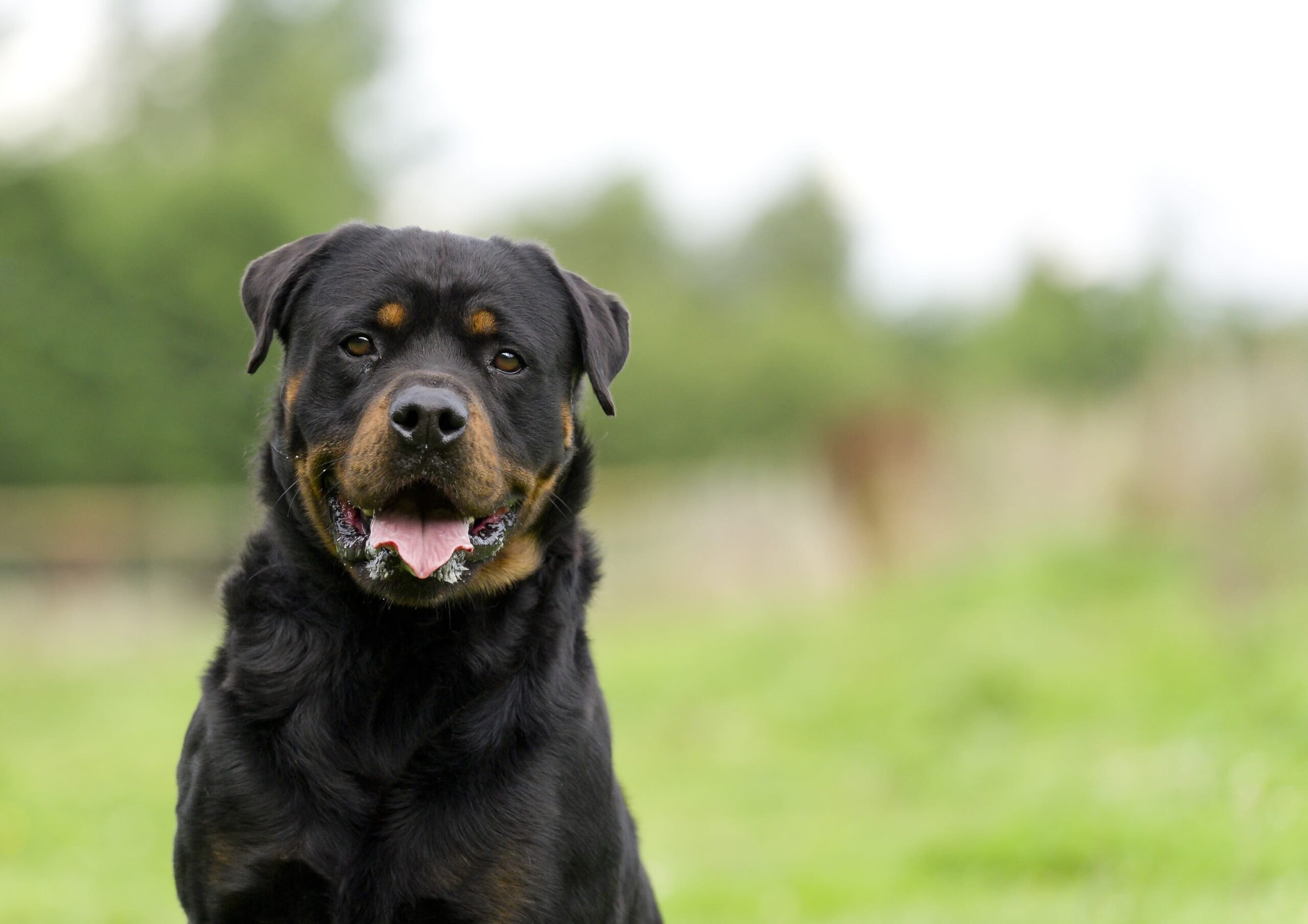
Rottweilers are bulky dogs, so it’s easy to see why some pet parents tend to overfeed them. However, manage their caloric intake so they don’t become overweight and wear down their joints.
Your dog’s vet may recommend joint supplements like omega-3 fatty acids, methylsulfonylmethane (MSM), glucosamine, or chondroitin to prevent your Rottie from developing arthritis.
5. Bulldog

The Bulldog isn’t a large breed like most of the others on this list, but they are highly susceptible to hip dysplasia and arthritis due to their stocky build. Their hip joint sits above shoulder height, causing the femur to sit unstably in the pelvis.
6. Great Dane

The Great Dane’s enormous size contributes to their risk for arthritis as they get older.
But that doesn’t mean you shouldn’t bring your Great Dane along for exercise sessions. In fact, obesity is a significant cause of both hip dysplasia and osteoarthritis in dogs, so keeping your pup in shape will help them thrive down the line.
Just try not to have them run stairs or climb rocky terrain every day, as that jarring movement can be hard on their joints.
7. Boxer

Boxers are constantly moving, which can be hard on their joints over time. In fact, this high-energy breed needs up to two hours of exercise every single day. That makes keeping their weight in a healthy range easy, as long as they’re fed a properly formulated dog food alongside all that activity.
Ask your vet if a breed-specific dog food, like Royal Canin’s Breed Health formula, is a good fit for your pup.
8. Saint Bernard
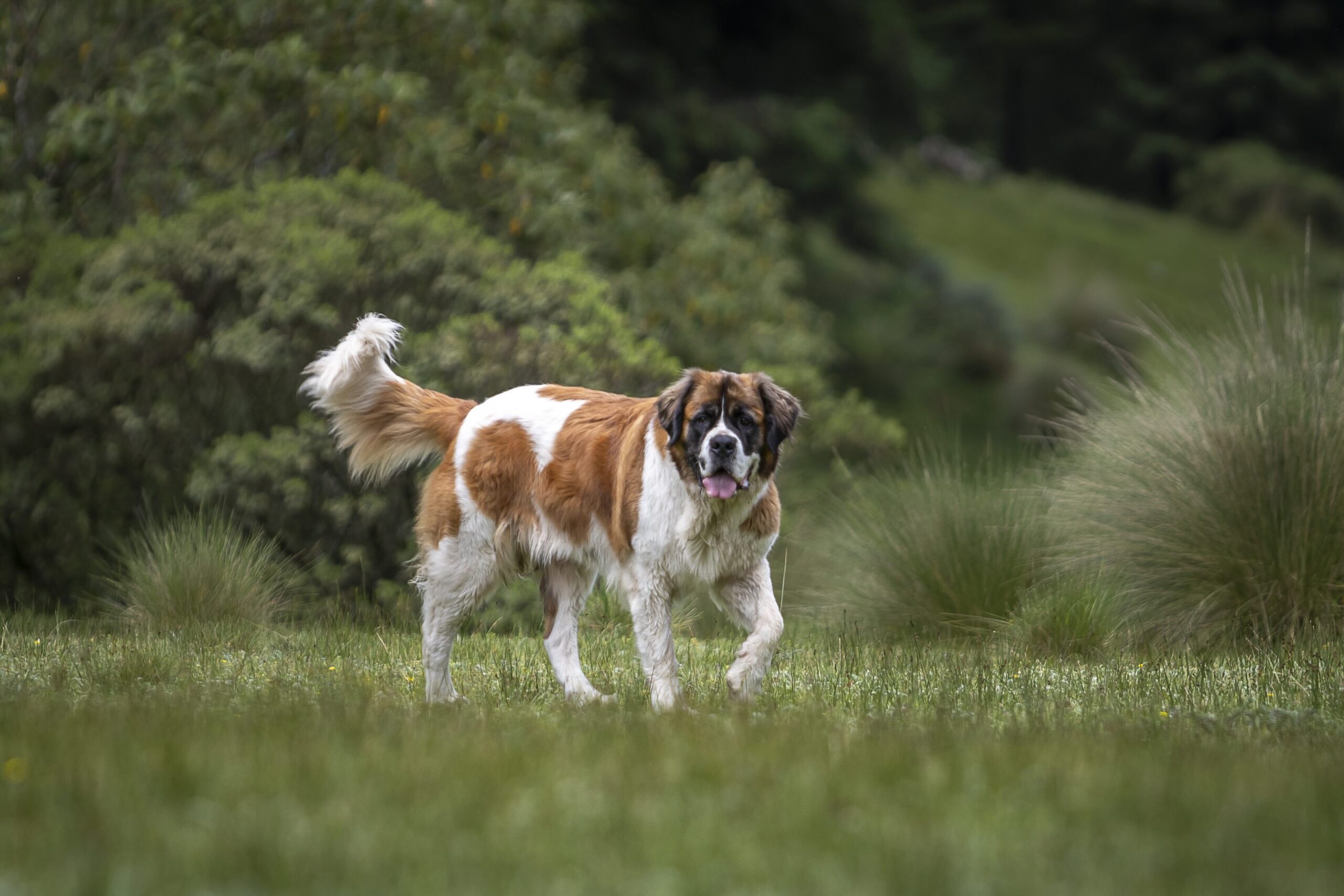
Another dog prone to hip dysplasia, Saint Bernards need treatment early to slow the development of arthritis.
This breed is known to thrive in winter weather, but if you live in a chilly climate, take extra precautions because cold temperatures can make joint pain worse due to changes in barometric pressure.
9. Bernese Mountain Dog
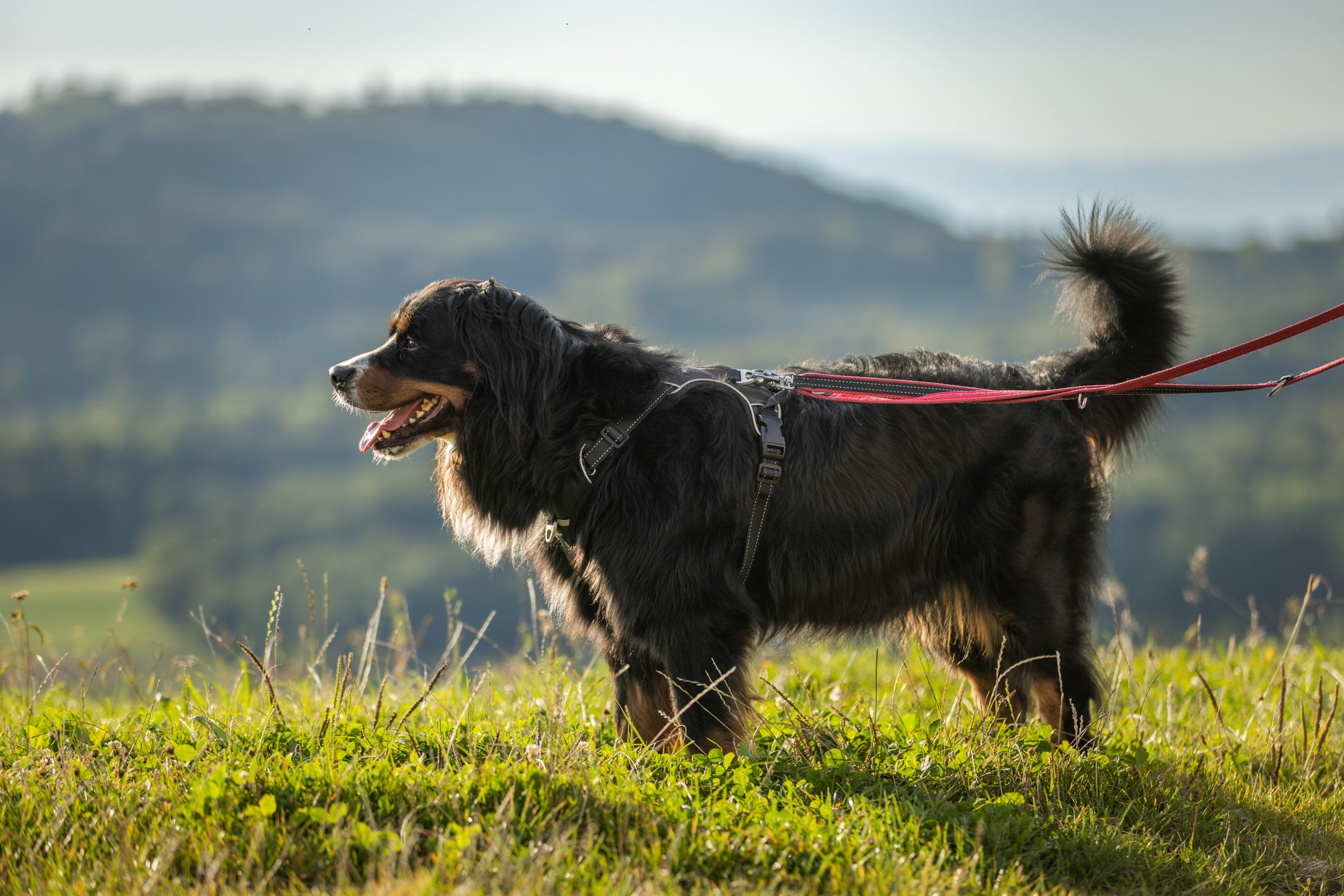
The Bernese Mountain Dog grows quickly from puppyhood to adulthood, which can affect how their hip joints develop.
Hip dysplasia is a leading cause of arthritis in dogs, so try to prevent degenerative joint disease with a nutritious diet and joint-healthy vitamin regimen (if your vet recommends it) early in their life.
10. Newfoundland
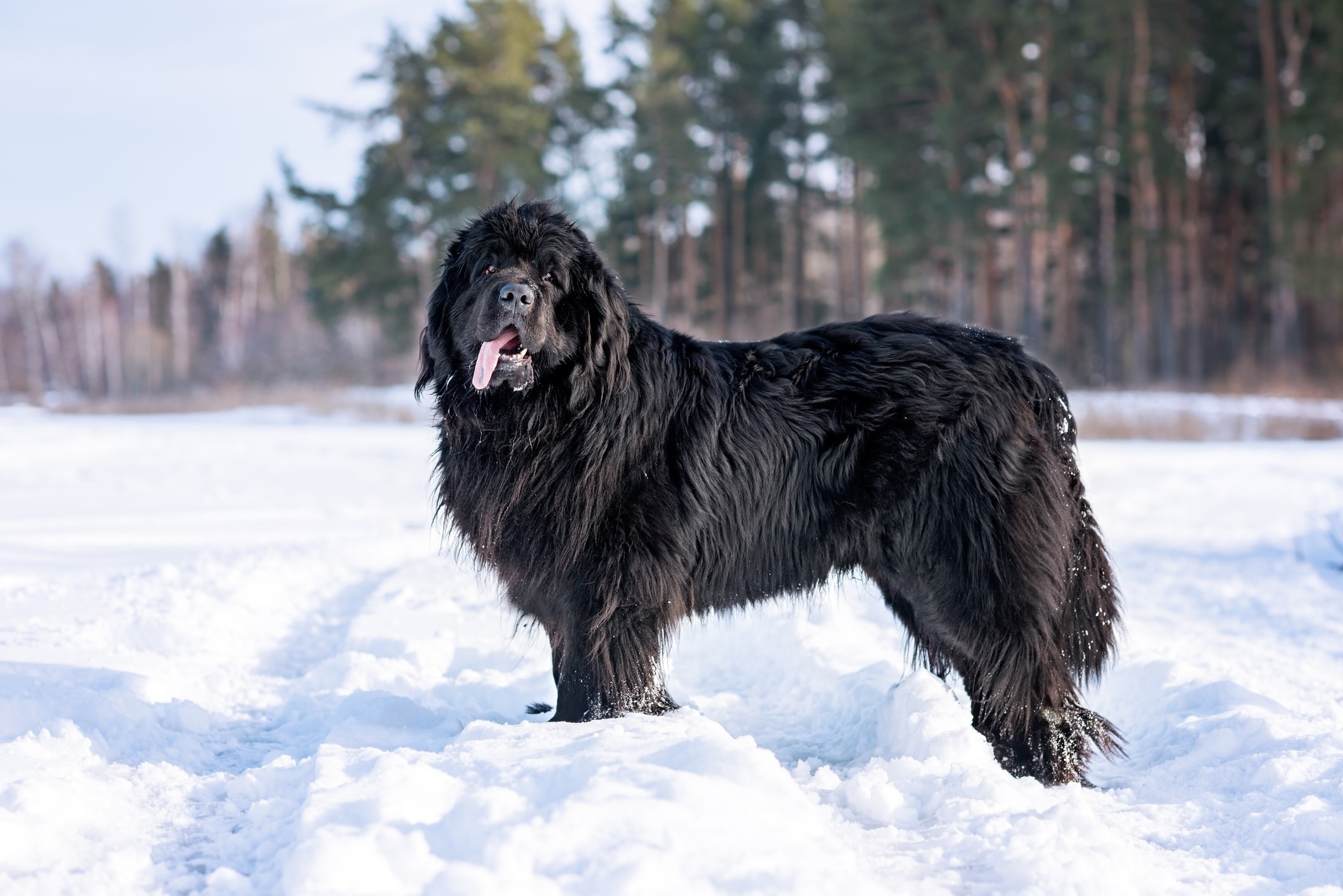
Newfoundlands are one of the biggest dog breeds, and with that comes an increased likelihood for abnormal hip and elbow joints to develop as your pup grows.
Keep an eye on your Newfoundland’s gait. If you notice any limping, schedule a vet visit to start treatment early before arthritis has time to set in.
11. Old English Sheepdog

The Old English Sheepdog is a gentle, loving family dog who loves to play with their people. These pups need a lot of mental and physical exercise every day, meaning they’re always up for a long walk or game of fetch.
While generally a healthy breed, they can develop hip dysplasia and arthritis. So if you notice any signs, they may need to receive physical therapy, supplements, or medications to keep them moving.
12. Dachshund

Dr. Ward says Dachshunds are an interesting example of a smaller dog breed prone to arthritis. They’re not large like most of the other dogs on this list—instead, they’re what’s called a chondrodystrophic breed.
“Chondrodystrophy is responsible for the characteristic short-legged appearance of the Dachshund, as well as their increased risk of intervertebral disc disease,” Dr. Ward explains. In other words, their unique shape causes their joints to receive “abnormal forces,” as Dr. Ward puts it, that can play a role in joint disease risk.
Can You Prevent Arthritis in Dogs?
It’s not possible to prevent arthritis in dogs completely, Dr. Baers says, but pet parents can start good habits early in their dog’s life to slow its progression.
“This often involves weight management, low-impact or physical rehabilitation exercises, joint supplements or joint diets, pain management as needed, and working closely with your veterinarian to help monitor and manage your dog as needed,” Dr. Baers says.


