Dog Arthritis and Cold Weather: Helping Your Dog’s Arthritis Pain in Winter


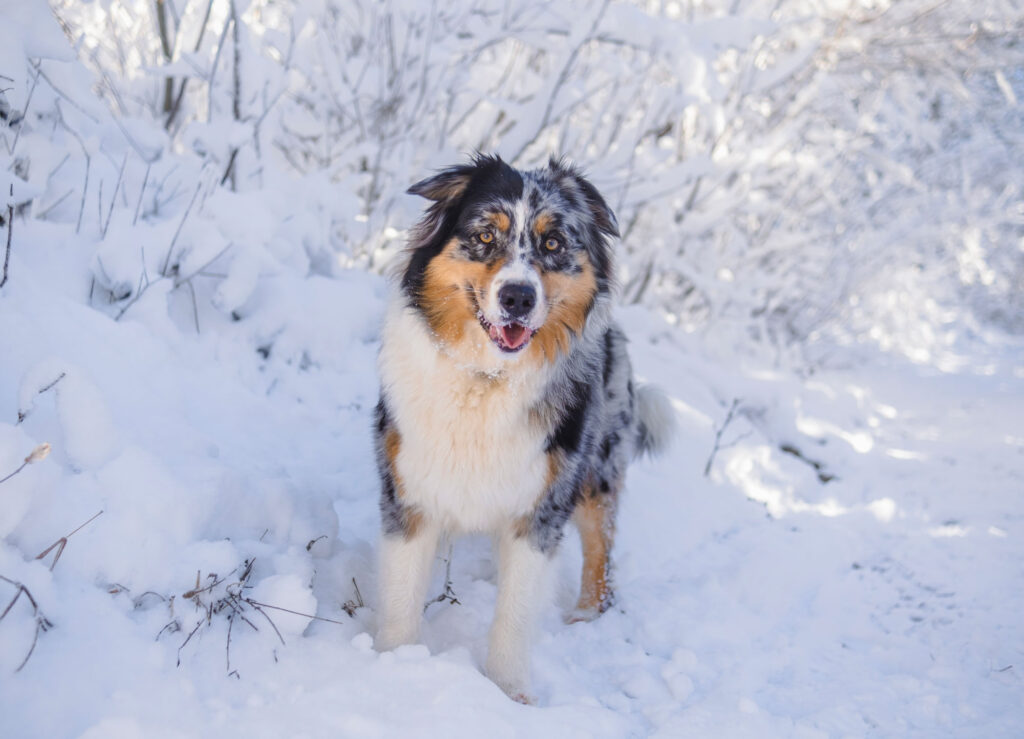
Valentina Stankovic/E+ via Getty Images
Cold weather may make some dogs with arthritis seem stiffer or more uncomfortable. While exactly how cold weather affects arthritis pain isn’t fully understood, it’s important to watch your dog during the winter for signs that they have arthritis or that their arthritis is getting worse.
Keeping your dog at a healthy trim weight, providing appropriate exercise, improving traction to prevent slipping in your home, and working with your veterinarian on pain management can help keep them comfortable during winter.
Key Takeaways
- Cold weather may make some dogs with arthritis seem stiffer or more uncomfortable, though the exact connection isn’t fully understood.
- Watch for worsening arthritis signs, including stiffness, limping, decreased activity, and difficulty getting up or lying down.
- Maintaining a healthy weight and providing low-impact exercise can help reduce joint strain and support mobility during winter.
- Nonslip surfaces, orthopedic beds, and ramps or pet steps can help arthritic dogs move around more comfortably.
- Prescription medications, joint diets, and supportive care can help manage arthritis pain. Talk to your veterinarian if your dog seems more uncomfortable during winter.
Arthritis in Dogs
Arthritis is a general term for joint inflammation, and there are several types that can affect dogs. Osteoarthritis (OA), also called degenerative joint disease, is the most common type of arthritis in dogs.
Osteoarthritis causes progressive changes within the joints that can lead to pain, stiffness, and decreased mobility. While it’s common in senior dogs, younger dogs can develop OA due to factors such as previous joint injuries or genetic orthopedic conditions like hip or elbow dysplasia.
If your dog is becoming less active, having trouble getting up, or moving differently, talk to your veterinarian. These changes shouldn’t be assumed to be a normal part of aging.
Does Cold Weather Affect a Dog’s Joints?
Arthritis in dogs can occur at any time of year, but colder weather seems to make the symptoms worse. However, the relationship between cold weather and arthritis pain isn’t fully understood.
Several factors may contribute to changes in how a dog feels during winter:
- Joint fluid thickening. Joint fluid (a natural lubricant) helps provide smooth movement and shock absorption. In colder temperatures, this fluid thickens and cannot flow as freely, which may lead to joint stiffness.
- Changes in barometric (atmospheric) pressure. Barometric pressure decreases in the winter. As a result, the tissues inside or surrounding the joint expand slightly, which presses on sensitive nerve endings.
- Decreased activity. People and animals alike are less active in the winter, which may contribute to joint stiffness and pain. You may put your daily dog walks on hold when the temperature falls below freezing. You’re also not as likely to let your dog play outside for several hours in very cold temperatures.
Signs That Cold Weather Is Affecting Your Dog’s Arthritis
Signs that your dog’s arthritis may be worsening include:
- Decreased activity level
- Unwillingness to jump, play, or exercise
- Difficulty navigating stairs
- Stiff movement, especially difficulty moving from sitting or lying down to standing (or vice versa)
- Limping or lameness when walking
- Changes to how your pet sits, such as leaving a leg extended
How To Help a Dog With Arthritis in Cold Weather
Many strategies that help dogs with arthritis throughout the year are especially helpful in the winter. If your dog seems stiffer or more uncomfortable during cold weather, talk to your veterinarian. They can determine whether your dog’s arthritis treatment plan needs to be adjusted.
Manage Pain With Dog Arthritis Medications
In dogs with arthritis, prescription medications can decrease pain and joint swelling. Examples of medications your veterinarian may prescribe include:
- Nonsteroidal anti-inflammatory drugs (NSAIDs): Prescription NSAIDs for dogs can help control joint pain and inflammation. For example, Galliprant (grapiprant tablets) is a prescription NSAID that can be used at the earliest signs of osteoarthritis in dogs. The flavored chewable tablet can be given daily for short- or long-term management of OA.
- Other pain medications: If your dog’s pain remains uncontrolled with NSAIDs, your veterinarian may recommend options like amantadine or gabapentin.
- Adequan Canine (Polysulfated glycosaminoglycan): This is an injection, given by your vet, that helps to restore joint lubrication (how slippery the joint is), decrease inflammation, and protect joint cartilage. It’s given twice weekly for up to four weeks.
Never use your own pain medications for your dog. Some human pain medications, such as ibuprofen, are toxic to dogs.
Keep Your Dog at a Healthy Weight
Obesity increases the pressure placed on your dog’s joints, which can worsen arthritis pain. Managing your dog’s weight can help lower the strain on their joints, reducing pain and slowing the progression of arthritis.
Weight management can be especially important during the winter, when lower activity levels and extra holiday treats may lead to weight gain. Ask your veterinarian if your dog is at a good weight. Your veterinarian can help you develop a safe weight loss plan for your dog, if needed.
Provide Low-Impact Exercise
Exercise helps prevent winter weight gain and provides your dog with mental stimulation while they’re spending more time indoors.
There are plenty of indoor activities you can do with your pet. Examples include:
- Hide-and-seek. Many dogs are happy to play this game with you! Have them sit in one room while you go hide in another. Then, call your dog and let them look for you.
- Puzzle games. There are plenty of indoor puzzles for pups to use that allow them to exercise their mind while also getting a reward. You can also throw treats throughout the home and have your pup sniff and search for hidden goodies. Just make sure you’re using low-calorie training treats.
- Keep away. If you have another person in your home, you can toss a desirable item back and forth while your dog tries to get the item. Make sure you sometimes let them win!
- Fetch. If you have a long hallway with good traction in your home (no slippery floors), you can still play fetch in the winter months but remember to keep this fun exercise gentle and low impact.
- Visit with friends. If you have a dog who enjoys playing with other dogs and is friendly toward other people, consider visiting friends. Your dog can get a lot of activity and interaction from playing with other dogs. You could also consider dog play dates or dog daycare.
If you have a senior pet or a dog who has limited mobility, you don’t need to push them too hard. Gentle tug-of-war play sessions, practicing commands your dog knows, or teaching your pet new tricks are all good examples of activities you can do with your older or less mobile pup.
If your dog has arthritis, you can also look for a physical rehabilitation practice for dogs. These centers will have great indoor exercises for your dog. Some even have underwater treadmills.
Modify Your Home To Support Mobility and Comfort
You may need to make some changes in your home this winter to work around your pet’s mobility changes.
Important considerations include:
- Easily accessible food and water. Don’t make your dog go up and down the stairs to get to their bowls.
- Comfortable beds. Consider placing an orthopedic dog bed on every level of your home.
- Ramps or small stairs. For dogs who have difficulty jumping, these can help them get off and on couches or beds.
- Traction. Dogs with arthritis may slip more, and this is going to cause them more pain. Placing nonslip mats or carpet runners on hardwood or tile floors may help your pet keep their footing. Some dog boots can also help with traction.
Consider Joint Health Supplements and Diets
Supplements that may be helpful for dog arthritis include omega-3 fatty acids or glucosamine with chondroitin. Therapeutic diets specifically formulated for joint support and mobility could also be beneficial.
Speak with your veterinarian about supplements or a new diet before adding them to your pet’s regimen.
Supportive Therapies
Supportive therapies can be used alongside other arthritis treatments to help manage pain and maintain mobility. Your veterinarian may recommend:
- Acupuncture
- Laser therapy
- Physical rehabilitation
Talk with your veterinarian about whether these therapies are appropriate for your dog and how they can fit into their overall arthritis treatment plan.
Dog Arthritis and Cold Weather FAQs
How can I help my dog with arthritis in the winter?
Keep your dog at a healthy weight, provide regular low-impact exercise, and make your home easier to navigate with nonslip rugs, supportive beds, and ramps or pet steps. If your dog seems more painful or less mobile during winter, talk to your veterinarian about the best way to keep them comfortable and improve mobility. It may be time to add anti-inflammatory pain-relieving medication to their arthritis treatment plan.
Should dogs with arthritis still go for walks in cold weather?
Yes. Dogs with arthritis can benefit from regular, appropriate exercise, including walks, as long as they’re comfortable. Consider shorter walks or indoor activities when weather conditions make outdoor exercise difficult or unsafe, and ask your veterinarian what level of activity is appropriate for your dog.
How can I tell if my dog’s arthritis is getting worse?
Signs of worsening arthritis can include increased stiffness or limping, difficulty getting up or lying down, decreased activity, reluctance to exercise, and other changes in mobility. Contact your veterinarian if you notice new or worsening symptoms.


