Pythiosis in Dogs: Symptoms and Treatment


kb79/iStock/Getty Images Plus via Getty Images
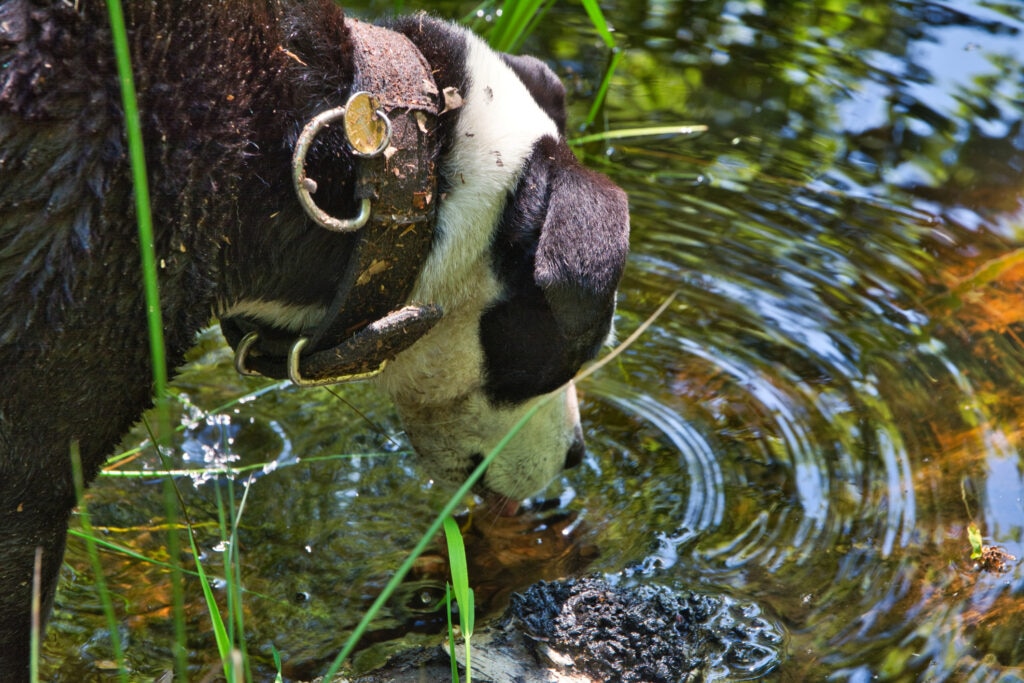
If your dog has been swimming in stagnant water and now has worrisome symptoms, such as vomiting or skin wounds, they may have pythiosis.
Pythiosis in dogs is a rare infectious disease that starts after swimming in or drinking contaminated water.
Here you’ll learn what you should know about this disease, including what causes it, how veterinarians diagnose and treat it, and how you can prevent it in your dog.
Key Takeaways
- Pythiosis is an infectious disease caused by swimming in and drinking contaminated water.
- Dogs can get cutaneous or gastrointestinal pythiosis, or both.
- Common signs include vomiting, weight loss, decreased appetite, and ulcerated skin wounds.
- Surgery is the recommended treatment for pythiosis; however, medical management using oral antifungals and steroids is also available.
What Is Pythiosis in Dogs?
Pythiosis in dogs is an infectious disease caused by fungal-like organisms that live in fresh water.
The disease causes severe inflammation (swelling) within the skin and gastrointestinal (GI) tract.
Affected dogs may have thickening of their intestines, lymph node enlargement, and severe skin inflammation.
As a result, dogs with the disease have significant discomfort, gastrointestinal upset, and ulcerated (broken) skin.
Pythiosis is rare overall, but it primarily occurs among young adult dogs who live along the Gulf coast of the U.S., and also in tropical areas around the world. However, any dog can be affected.
Because it is a progressive disease and can cause severe complications, such as abdominal bleeding and loss of blood supply in the intestines, pythiosis can be life-threatening.
If your dog has had exposure to contaminated water or is showing symptoms of the disease, contact your vet right away.
Symptoms of Pythiosis in Dogs
The two types of pythiosis in dogs are cutaneous (skin-related) and gastrointestinal.
Each condition has characteristic symptoms and dogs can be affected by one or both.
Gastrointestinal Pythiosis
Early in the disease, many dogs show no signs. As the disease worsens, symptoms become more clear and may include:
- Vomiting
- Diarrhea (may have blood)
- Straining to pass stool
- Weight loss
- Decreased appetite
- Abdominal pain
- Swollen belly (due to bleeding in the abdomen)
Cutaneous Pythiosis
Cutaneous pythiosis primarily affects a dog’s legs, belly, and anus. Symptoms of cutaneous pythiosis typically include:
- Non-healing skin wounds
- Skin masses
- Ulcerated skin that may drain thin fluid
- Enlarged lymph nodes
Causes of Pythiosis in Dogs
The most common causes of pythiosis include:
- Swimming in contaminated water, such as ponds or swamps
- Drinking contaminated water
While any dog can be affected, young adult dogs living in the southern United States are most diagnosed.
Dogs with open skin wounds who swim in stagnant water are at an increased risk as well.
Any breed can be affected, especially those who hunt or hike near bodies of water, but German Shepherds have a higher rate of diagnosis, likely due to genetics.
How Veterinarians Diagnose Pythiosis in Dogs
Diagnosis of pythiosis in dogs typically includes a combination of a physical exam, a thorough history, and diagnostic testing.
A veterinarian will start by asking questions about your dog’s recent exposure to any contaminated water sources, any recent travel, and any underlying health concerns.
Your vet will thoroughly examine your dog from head to toe to note any abnormalities, such as weight loss, abdominal pain, or skin wounds.
If pythiosis is suspected, testing may be done to aid in diagnosis, including:
- Blood work: A small sample of blood can be used to check blood cell counts and organ function that may show infection or inflammation.
- Urinalysis: A sample of urine can be checked for signs of infection or inflammation that could point to a whole-body illness.
- Imaging: Abdominal ultrasound or CT can be done to check for intestinal thickening, masses, and enlarged lymph nodes.
- Pythium antibody test: A sample of serum from the dog’s blood can be sent to a laboratory to check for antibodies, which would show an infection.
- Culture or PCR: A sample of affected tissue, such as the skin or intestines, can be sent to a laboratory to check for the infectious disease.
Treatment of Pythiosis in Dogs
To treat both cutaneous and gastrointestinal pythiosis, a veterinarian will recommend surgery to remove the affected area as well as a wide margin of tissue directly around it.
Amputation of an affected limb may be needed.
Surgery can cure the condition if all the affected area of skin or intestines is removed.
If surgery is not an option, medical management is recommended, though it does not always work.
This form of treatment can last many months, depending on the severity of the condition and the dog’s response to the medications.
Medical management may include:
- Antifungal medications, such as itraconazole or terbinafine, to eliminate the infectious organism
- Corticosteroids, such as prednisone, to reduce inflammation
During treatment, blood can be rechecked regularly, as recommended by your vet, to ensure the infection is going away.
Treatment continues until all symptoms have resolved and there is no longer any evidence of the infectious organism.
Recovery and Management of Pythiosis in Dogs
Without treatment, a dog will die of the disease within weeks.
GI pythiosis has a shorter survival time compared to cutaneous pythiosis in most cases.
Surgery can cure the dog if it is done early in the disease process.
Because most dogs are not diagnosed until the disease has progressed, there is a poor outlook overall for pythiosis, with many dogs surviving only weeks to months. If diagnosed and treated early, outcomes improve.
During treatment and recovery, it is very important to give medications exactly as prescribed by your veterinarian and to take their advice for follow-up care to check your dog’s progress.
Prevention of Pythiosis in Dogs
Pet parents can take steps to prevent pythiosis in their dogs, including:
- Keep your dog out of stagnant water, such as ponds or creeks, to avoid accidental drinking.
- Ensure your dog has no open skin wounds before they enter a body of water.
- Do not allow your dog to intentionally drink from stagnant bodies of water.
- Ensure your dog gets regular veterinary care to support overall health and well-being.
Pythiosis in Dogs FAQs
How long can a dog live with pythiosis?
Survival times vary depending on the severity of the condition, the time of diagnosis, and treatment options available.
Without treatment, a dog can die of the disease in just days to weeks. With medical management alone, survival is generally only weeks to months.
Surgery can be curative in many cases, allowing the affected dog to live a normal lifespan if treated early.
How to treat pythiosis in dogs?
Surgery is recommended to treat pythiosis, as this has the best outcome.
However, if surgery is not an option, medical management using oral medications such as antifungals and steroids can be done.


