Helicobacter Pylori in Dogs: What Is It, and How Is It Treated?


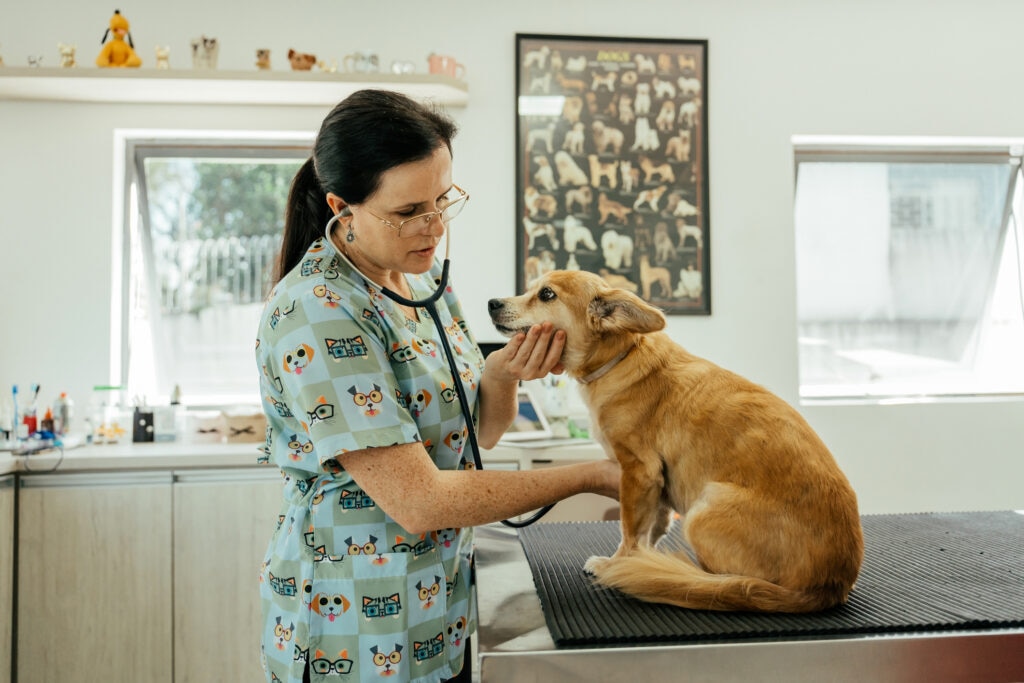
Drs Producoes/E+ via Getty Images
If your dog has chronic vomiting or nausea, Helicobacter pylori may be to blame.
This type of bacterial infection may contribute to gastrointestinal (GI) upset in dogs, though the exact link is unclear.
Here you will learn what you need to know about this type of bacteria, including what symptoms to watch for, how it’s diagnosed, and what treatment options are available.
Key Takeaways
- Helicobacter pylori is a type of bacteria that commonly causes stomach ulcers in people, though the exact role in digestive diseases in dogs is unclear.
- Common signs include chronic vomiting, diarrhea, decreased appetite, and abdominal pain.
- Diagnosis of H. pylori generally involves surgery and laboratory tests for accurate identification.
- Treatment focuses on symptoms, and antacids and antibiotics can help.
What Is Helicobacter Pylori in Dogs?
H pylori is a bacterial infection that may cause stomach inflammation (swelling) in dogs and related symptoms like vomiting and decreased appetite.
While this bacterium is commonly discussed in people as the primary cause of stomach ulcers, it is not as well understood in companion animals.
Both dogs who have chronic vomiting or diarrhea and dogs who are healthy and asymptomatic have tested positive for this bacterium, which suggests more research is needed.
H pylori is not considered a medical emergency; however, if your dog is vomiting repeatedly or has not eaten in 24 hours, schedule a veterinary appointment soon to figure out the underlying cause and get the right treatment.
Causes of Helicobacter Pylori in Dogs
It’s not known what causes some dogs to have H. pylori in their stomachs. It is thought there may be a link between unsanitary living conditions or that the bacterium is spread through feces, but this is not well understood.
However, community dogs and shelter dogs do have higher rates of infection.
It is also thought that stress could play a role in allowing the H. pylori to multiply and contribute to gastrointestinal symptoms.
How Veterinarians Diagnose Helicobacter Pylori in Dogs
A veterinarian diagnoses H. pylori in dogs using a combination of a physical exam and diagnostic testing.
The vet will complete a thorough physical exam to determine if there are any abnormalities, such as abdominal pain or weight loss.
If a dog has chronic vomiting and nausea, your vet may recommend testing for H. pylori.
Diagnostic testing that may be done includes:
- Endoscopy: The dog is anesthetized and a small thin tube is placed inside their mouth and down the throat to get a closer look at the esophagus and stomach. This allows a veterinarian to check for areas of inflammation and ulceration (broken tissue) or to diagnose another underlying cause for their symptoms.
- Laparotomy: A dog is anesthetized and an incision (cut) is made into the abdomen so that a veterinarian can look for abnormalities.
- Cytology: A sample of the stomach lining or fluid can be taken, typically during an endoscopy, so that it can be viewed underneath a microscope to check for Helicobacter bacteria.
- Biopsy: A small piece of stomach can be removed surgically and sent to a lab for further identification. This can be done during an endoscopy or laparotomy.
Treatment of Helicobacter Pylori in Dogs
Treatment of H. pylori in dogs focuses on controlling symptoms rather than trying to fully kill the bacteria.
Treatment for a dog with gastrointestinal upset may include:
- Proton pump inhibitors, such as omeprazole, to reduce stomach acid
- Antacids, such as famotidine, to decrease stomach acid production
- Antibiotics, such as amoxicillin and metronidazole, to reduce bacteria numbers
- Antidiarrheals, such as bismuth subsalicylate, to reduce diarrhea and nausea
No over-the-counter medications should be given to your dog without first speaking with a veterinarian to decide on the right treatment plan.
Even with treatment, dogs can still have positive test results for this bacterium in the future.
If gastrointestinal symptoms recur, long-term management may be needed.
Recovery and Management of Helicobacter Pylori in Dogs
There is a high recovery rate for H. pylori in dogs and symptoms generally go away following treatment.
However, some dogs who have been treated will still have detectable levels of H. pylori in their stomachs.
Some of these dogs will have gastrointestinal symptoms, but others will not.
For dogs getting treatment, give your pet any medications exactly as prescribed and go to any follow-up appointments with your veterinarian.
If symptoms recur, long-term medical management is often needed.
Prevention of Helicobacter Pylori in Dogs
Because the underlying cause for H. pylori infection is not well understood, it is difficult to know how to prevent a dog from becoming infected.
However, there are general tips pet parents can consider supporting their dog’s overall health, including:
- Ensure your dog gets regular wellness care to find any health concerns early and support your dog’s overall well-being.
- Keep your dog’s living environment clean and sanitary and quickly remove waste from your yard.
- Avoid bringing your dog to areas where there is fecal waste from other animals.
Helicobacter Pylori in Dogs FAQs
How to treat Helicobacter pylori in dogs?
Treatment ideas for H. pylori are mostly anecdotal and focus on controlling the dog’s symptoms. Treatment options may include antacids, antibiotics, and antidiarrheals.
How does a dog get Helicobacter?
It is not known exactly how a dog gets Helicobacter. However, because it is more common in strays and shelter dogs, it is thought that spread through feces or unsanitary conditions may contribute.
What kills Helicobacter fast?
There is no treatment that gets rid of Helicobacter quickly. However, because it is a bacterium, antibiotics are commonly prescribed. However, they may not always fully kill the bacteria, and there is a high incidence of recurrence in previously treated dogs.
What triggers Helicobacter?
The exact cause for Helicobacter infection is not known. However, stress may contribute to symptoms developing in dogs who have H. pylori already in their stomachs.


