Ehrlichiosis in Dogs: What It Is, Symptoms, and Treatment


Skyhobo/iStock/Getty Images Plus via Getty Images
Ehrlichiosis in dogs is a tick-borne bacterial infection that can cause symptoms ranging from fever and lethargy to bleeding and neurologic problems. Some dogs recover completely with early treatment, while chronic ehrlichiosis can be more difficult to treat.
There is no vaccine for ehrlichiosis, so consistent tick prevention and prompt tick removal are important for reducing your dog’s risk.
Key Takeaways
- Ehrlichiosis in dogs is a tick-borne infection caused by Ehrlichia bacteria.
- Symptoms vary depending on whether the disease is acute, subclinical, or chronic and can include fever, lethargy, bleeding, eye problems, and neurologic signs.
- Doxycycline is commonly used to treat ehrlichiosis, and dogs treated during the acute phase often have an excellent prognosis.
- There is no vaccine for ehrlichiosis, so consistent tick prevention and prompt tick removal are important.
What Is Ehrlichiosis in Dogs?
Ehrlichiosis in dogs is a tick-borne disease caused by Ehrlichia bacteria.
There are many species of Ehrlichia, but the two most common species responsible for ehrlichiosis in dogs in the U.S. are E. canis and E. ewingii. These bacteria attack white blood cells in dogs.
E. ewingii infection is typically less serious than E. canis infection. Most dogs with E. ewingii are only mildly ill, with signs such as fever and swollen joints, or may not show signs of illness at all.
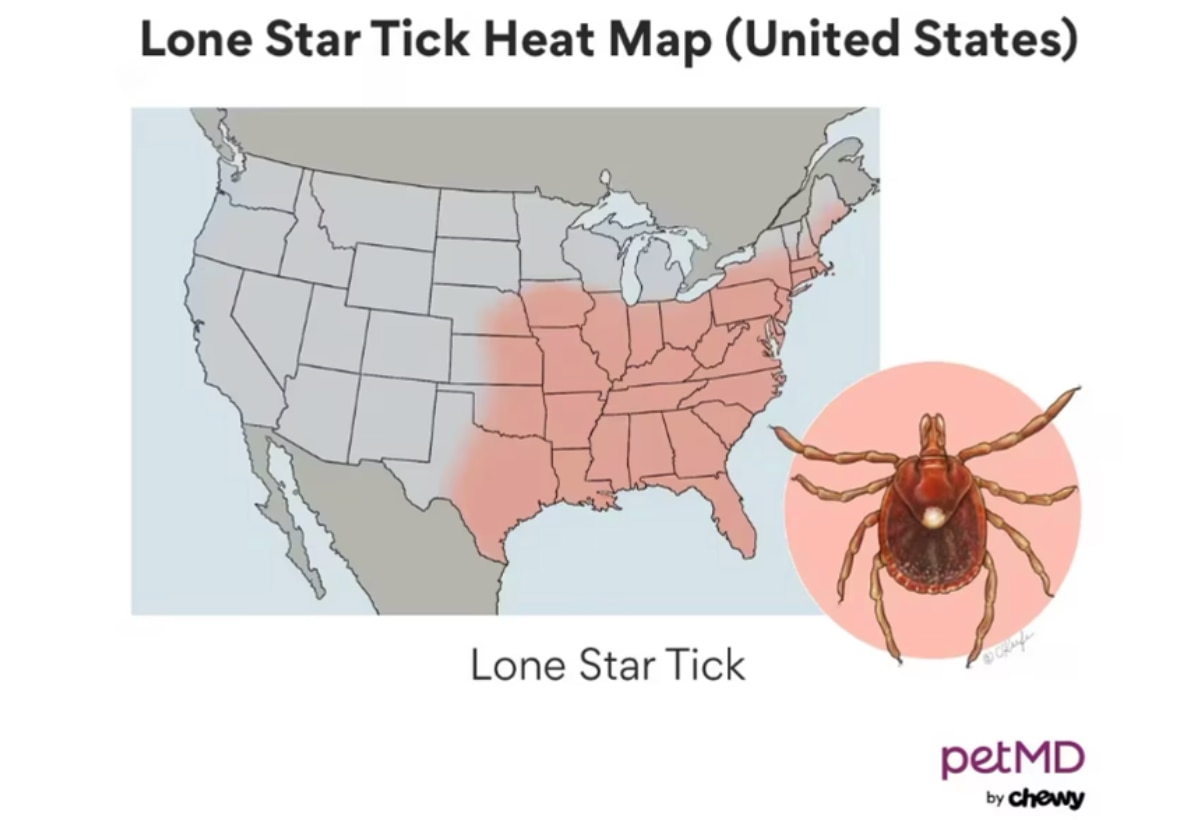
Ehrlichiosis in dogs is most often reported in the southeastern and south-central U.S. States with the highest number of cases include:
- Arkansas
- Louisiana
- Oklahoma
- Tennessee
- Texas
Ehrlichiosis cannot spread directly from dog to dog. However, if multiple dogs were exposed to ticks in the same area, consult your veterinarian about testing and/or treating all dogs in your household.
Humans cannot get E. canis, but they can become infected with other types of ehrlichiosis, including E. ewingii. Ehrlichiosis does not spread directly from dogs to people; humans become infected through tick bites.
If you think you have been exposed to ehrlichiosis, seek medical attention immediately.
What Are the Symptoms of Ehrlichiosis in Dogs?
Symptoms of ehrlichiosis in dogs depend on the phase of infection: acute, subclinical, or chronic.
Acute Ehrlichiosis
The acute phase (early disease) occurs one to three weeks after a dog is bitten by an infected tick. During this time, E. canis bacteria reproduce and attach to white blood cells.
Symptoms of acute ehrlichiosis may include:
- Fever
- Lethargy
- Depression
- Anorexia
- Weight loss
- Enlarged lymph nodes
- Lameness
- Vomiting
- Diarrhea
- Cough
- Abnormal bruising and bleeding
- Neurologic signs, such as loss of balance or stumbling
If treated during the acute phase, most dogs will clear the infection completely and return to normal. Dogs that do not receive treatment will likely progress to the subclinical phase in weeks one to four.
Subclinical Ehrlichiosis
During the subclinical phase, dogs remain infected but show no signs of disease.
The bacteria hide in the spleen, where they can remain for months or years. Although dogs have no symptoms during this phase, they may have changes in their blood work.
Not all dogs progress from the subclinical phase to the chronic phase—some dogs may clear the disease on their own.
Chronic Ehrlichiosis
Dogs that are unable to eliminate the bacteria and become sick again enter the chronic phase (long-term disease).
Symptoms of chronic ehrlichiosis may include:
- Abnormal bleeding, which can lead to anemia
- Inflammation in the eyes (uveitis), bleeding in the eye (hyphema), or blindness
- Neurologic signs, such as loss of balance or stumbling
- Increased urination (polyuria) and increased drinking (polydipsia) from damage to the kidneys
- Lameness
- Swollen limbs
Dogs in the chronic phase have a worse prognosis. This phase can become fatal, though this is uncommon.
What Causes Ehrlichiosis in Dogs?
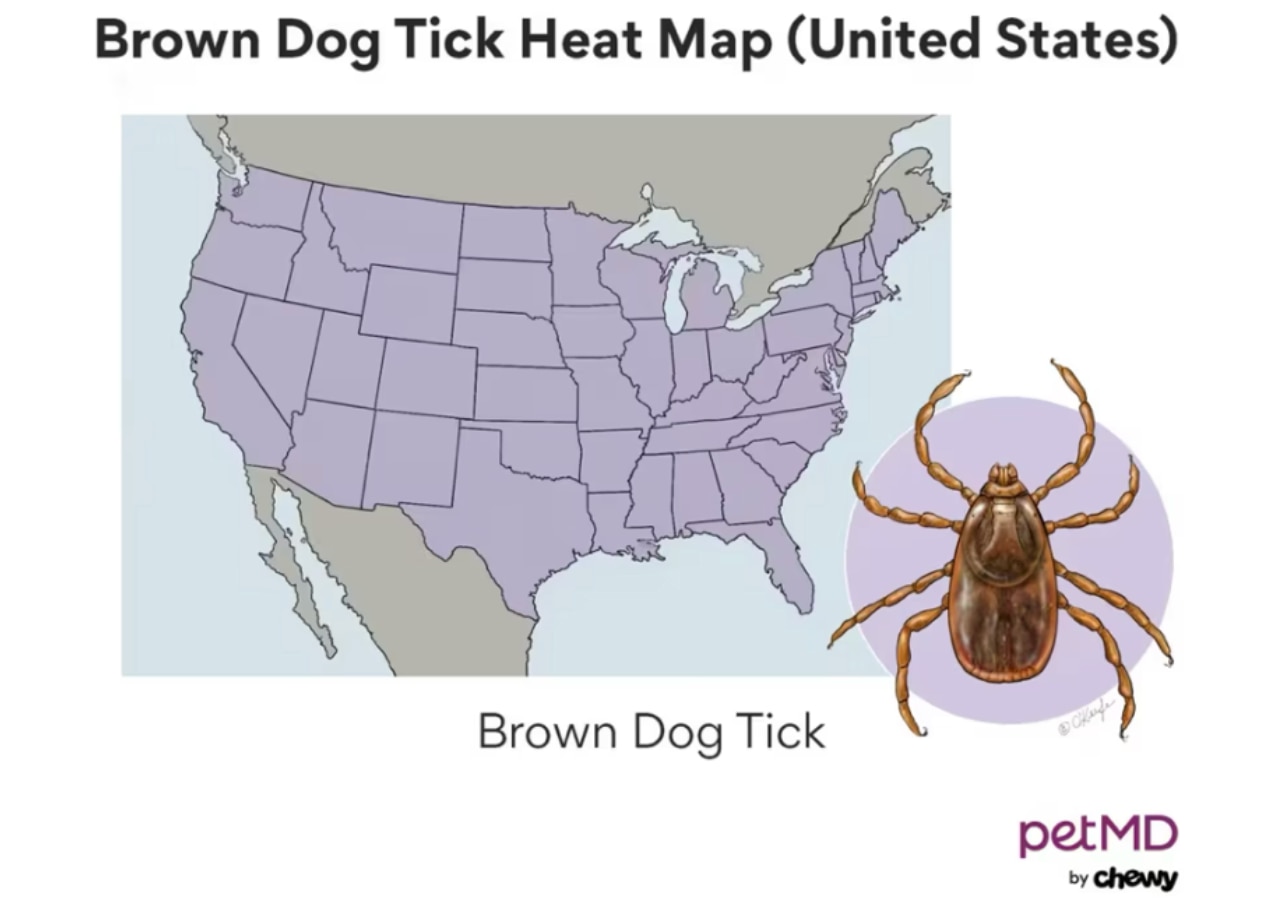
Ehrlichiosis in dogs is transmitted by infected ticks, with different tick species transmitting different types of Ehrlichia bacteria.
- E. canis is transmitted by the brown dog tick.
- E. ewingii is transmitted by the Lone Star tick.
Disease transmission can occur in as little as three to six hours after a tick attaches, so immediate tick removal is very important.
How Is Ehrlichiosis in Dogs Diagnosed?
Veterinarians diagnose ehrlichiosis in dogs using a physical exam, a history of possible tick exposure or recent travel, and tests such as blood work, urinalysis, IFA (indirect fluorescent antibody), or PCR (polymerase chain reaction).
Your veterinarian will perform a physical exam to look for symptoms and ask about any recent travel or tick exposure.
Diagnostic tests may include:
- Blood work
- Urinalysis
- IFA testing
- PCR testing
IFA and PCR testing often require samples to be sent to a laboratory.
How Is Ehrlichiosis in Dogs Treated?
Ehrlichiosis in dogs is typically treated with a 28- to 30-day course of antibiotics, usually doxycycline. Supportive care may also be needed depending on the phase and severity of the disease.
Supportive Care for Acute and Subclinical Ehrlichiosis
Most dogs in the acute or subclinical phases do not need to be hospitalized and can be managed at home with supportive care.
Supportive care may include:
- Pain medications, such as gabapentin or tramadol
- Appetite stimulants, such as Entyce or mirtazapine
Treatment for Chronic Ehrlichiosis
Dogs with chronic ehrlichiosis may require hospitalization for more intensive supportive care, including:
- Blood transfusions
- Steroids
- Intravenous (IV) fluids
- Nutritional support
Treating Coinfections
Dogs with ehrlichiosis may also be infected with other tick-borne diseases, such as anaplasma or Lyme disease, which can complicate diagnosis and treatment.
Your veterinarian will create a treatment plan tailored to your dog's specific needs.
Recovery and Management of Ehrlichiosis in Dogs
Dogs with acute or subclinical ehrlichiosis caused by E. canis tend to improve within one to two days of starting treatment and have an excellent prognosis for recovery.
During recovery, keep your dog comfortable with a comfortable place to rest, a high-quality diet, and easy access to water.
Follow your veterinarian's directions for medication, diet, and exercise. Limiting exercise during recovery is important to help prevent excessive bruising from trauma or rough play and lessen pain from stiff or swollen limbs.
Dogs with E. ewingii infection also tend to recover quickly after antibiotics are started. Once recovered, dogs can still have antibodies in their blood for several years but are cured of the infection.
Dogs with chronic E. canis infection have a guarded prognosis, meaning they may or may not improve with treatment. Dogs with serious infections or complications may die.
A veterinarian may recommend humane euthanasia for dogs with significant quality-of-life concerns or lifelong complications.
Dogs that survive ehrlichiosis can become reinfected later in life because immunity is not lifelong, making prevention especially important.
How To Prevent Ehrlichiosis in Dogs
There is currently no vaccine for ehrlichiosis in dogs, so prevention focuses on preventing tick bites and removing ticks as quickly as possible.
Ways to help prevent ehrlichiosis in dogs include:
- Use monthly flea and tick preventatives. Options include topical, tablet, and chewable medications such as Simparica, Bravecto, and NexGard. Your veterinarian can help you choose the best option for your dog.
- Avoid tick-prone areas. If you live near wooded areas where ticks may dwell, keep your dog away from these areas.
- Check your dog after outdoor activity. Inspect your dog for ticks or fleas after outdoor adventures.
- Remove ticks promptly. Remove any ticks you find safely. Early tick removal is an important defense against the spread of infection.
Ehrlichiosis in Dogs FAQs
Can Ehrlichia be transmitted to people?
Yes. People can become infected with Ehrlichia through the bite of an infected tick, but they do not get ehrlichiosis directly from dogs.
If you’re concerned about possible exposure, consult your physician.
Can a dog survive ehrlichiosis?
Yes. Dogs can survive ehrlichiosis. Early recognition, diagnosis, and treatment provide the best possible outcome.
What's the best food for dogs with ehrlichiosis?
Many dogs with ehrlichiosis can continue eating their current diet.
If your dog has nausea, gastrointestinal signs, or a decreased interest in eating, your veterinarian may recommend a high-quality, easily digestible, and palatable diet during recovery.
Can ehrlichiosis in dogs be cured?
Yes. Ehrlichiosis in dogs can be cured, but antibodies to the infection may remain in the bloodstream and can cause a dog to test “positive” on certain tests.
Let your veterinarian know about your dog's history. Dogs can also become reinfected in the future, so prevention is important.


