Thymoma in Dogs: Common Causes and How To Help Your Pet


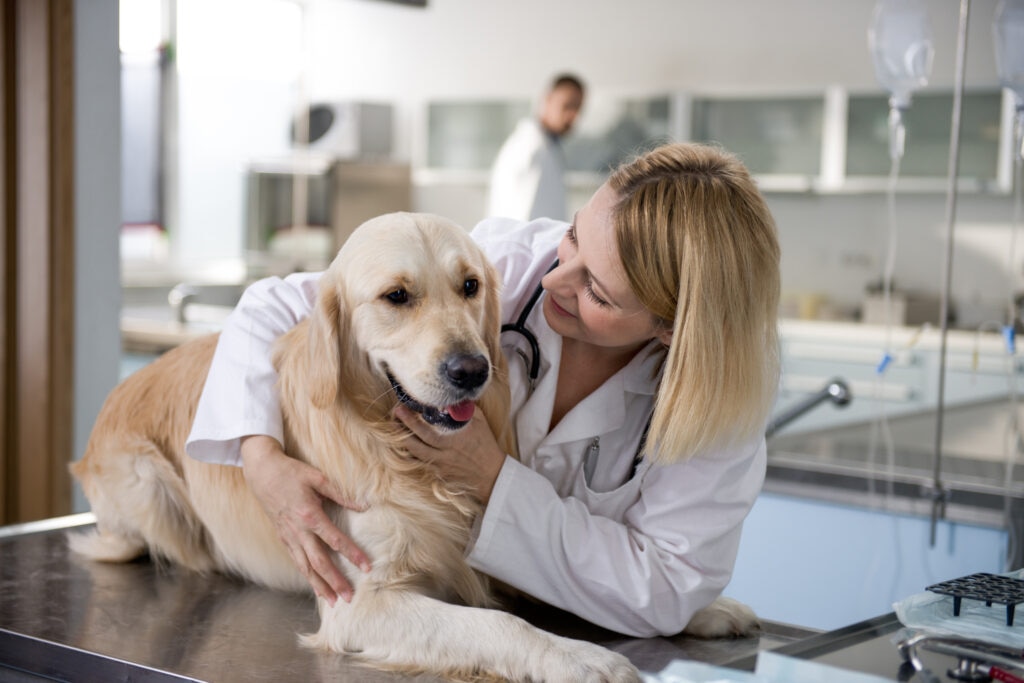
Tashi-Delek/iStock/Getty Images Plus via Getty Images
Thymoma in dogs is a rare tumor that develops in the thymus gland, a small organ in the chest that helps the immune system mature. While some dogs show no signs at first, thymomas can cause breathing difficulties, coughing, trouble swallowing, weight loss, and other symptoms as the tumor grows.
Because thymomas often develop in older dogs and can affect nearby structures in the chest, early diagnosis and treatment are important.
Learn what causes thymoma in dogs, the signs to watch for, how veterinarians diagnose the condition, and treatment options that may help improve your dog’s quality of life.
Key Takeaways
- Rarely, a dog may get a tumor in the space between the breastbone and lungs within the front section of the chest. This area is called the mediastinum. Thymomas are among the most common types of tumors to grow in the mediastinum.
- coughing, trouble swallowing, and weight loss, with some dogs also developing conditions like hypercalcemia or myasthenia gravis.
- Surgical removal of the tumor is the most effective treatment, especially for non-invasive tumors, while invasive cases may require radiation and a dog would typically have a shorter life expectancy.
What Is Thymoma in Dogs?
The thymus is a small lymphatic gland that’s located between the breastbone (sternum) and the front of the heart. The job of this gland is to mature T-cells, which are a type of white blood cell that fights infections. The thymus is large in puppies and shrinks as the dog ages.
A thymoma in dogs is a type of tumor that can grow on a pup’s thymus gland. Thymomas develop from the cells that make up the surfaces of the thymus gland, called epithelial cells. If the cancer develops from white blood cells, that is a form of lymphoma rather than a thymoma.
Around half of the time, canine thymomas are invasive, meaning cancer cells can spread to other tissues in the area. Non-invasive tumors remain only in the thymus.
Thymomas are not usually emergencies, though early treatment is more likely to result in a better long-term outlook.
Symptoms of Thymoma in Dogs
A lot of the symptoms of thymoma in dogs have to do with having an enlarged mass in the chest.
Common signs include:
-
Breathing difficulties (labored or noisy breathing)
-
Exercise intolerance
Some dogs with thymomas have increased levels of calcium in their blood, called hypercalcemia. This can cause:
-
Weakness and lethargy
Some dogs with thymomas get an enlarged esophagus (megaesophagus), myasthenia gravis, or both.
Regurgitation and difficulty swallowing are more common in dogs who have these secondary issues.
Causes of Thymoma in Dogs
The exact cause of thymoma development is unknown.
Thymomas appear to be more common in certain breeds, with Labrador Retrievers and Golden Retrievers making up more than a third of cases, according to this study. This may suggest a genetic role in these tumors.
The condition is more common in older medium- or large-breed dogs.
How Veterinarians Diagnose Thymoma in Dogs
Thymomas in dogs are often diagnosed based on the findings of chest X-rays, which will show a mass in front of the heart. Chest X-rays may also show a megaesophagus in dogs with thymoma.
Advanced imaging, such as a CT scan or MRI, may be recommended to figure out how invasive the tumor is. These tests can help decide whether surgery is an option for the dog. CT scans and MRIs are usually done at specialty clinics.
Blood work and urine testing will be done to measure calcium levels and check on the dog’s overall health before treatment.
A biopsy is needed to definitively diagnose thymoma, and this is often done when the mass is being surgically removed.
Treatment of Thymoma in Dogs
The treatment of choice for thymomas in dogs is surgical removal, most often done by a surgical specialist. If the tumor is not invasive, surgery can cure the condition.
In dogs for whom surgery isn’t an option, such as a dog with an invasive tumor, radiation may be recommended.
Although these tumors do often respond to radiation, it’s unlikely to cure the cancer. These dogs typically live less than a year.
Chemotherapy is generally not effective for thymoma.
Recovery and Management of Thymoma in Dogs
Dogs who have surgery are often cured. Their surgical recovery will often last a couple weeks. After surgery, your pet will likely go home with pain medications such as carprofen, buprenorphine, or gabapentin.
After surgery, the veterinarian may recommend that you keep a recovery cone on your dog until the surgical incision is healed.
Dogs who have developed a megaesophagus may need to be fed in an upright position to prevent regurgitation. This is usually done by feeding small amounts to the dog while they sit in a Bailey chair. Canned foods or softened kibble are usually preferred.
Monitoring with chest X-rays is recommended every three months for one year after the procedure, then every six months after that. If the dog has myasthenia gravis, it may clear up over several months if the tumor was successfully removed.
Dogs who need radiation therapy, which usually includes those with invasive tumors, will generally live less than a year after diagnosis.
Prevention of Thymoma in Dogs
Thymomas in dogs are not considered preventable.
Regular exams of your dog with a veterinarian (annually or twice a year) may help catch the condition before it is advanced.
Thymoma in Dogs FAQs
What is the prognosis for a dog with thymoma?
If the tumor is noninvasive and the dog hasn’t gotten myasthenia gravis, the prognosis is generally good with successful surgery. If the thymoma is not removable (nonresectable) or the dog has myasthenia gravis, their outlook is uncertain to poor. Dogs with nonresectable tumors generally live less than a year longer, even with radiation.
How long can a dog live with thymoma without treatment?
Without treatment, dogs with thymoma live for around two to three months, depending on how advanced the tumor is when it’s found.


