Swallowing Difficulties in Dogs: Why Your Dog Keeps Swallowing


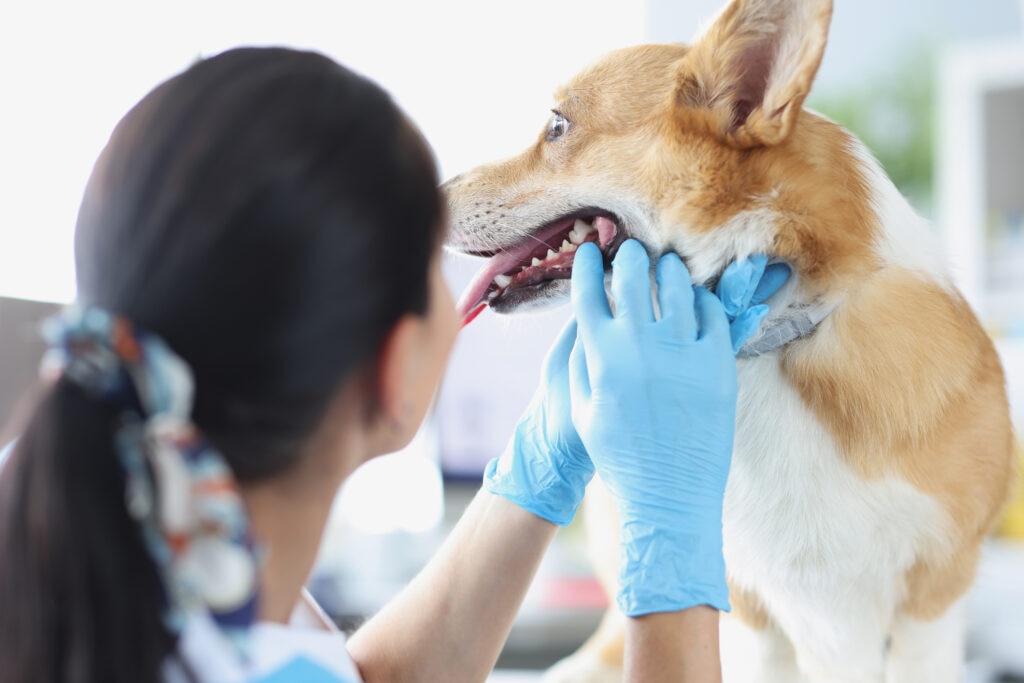
megaflopp/iStock/Getty Images Plus via Getty Images
If your dog is having trouble swallowing their food, they may have dysphagia.
This can be caused by a variety of underlying reasons and is common among dogs.
Here you will learn things you should know about swallowing difficulties in dogs, including symptoms to watch for, potential causes, and when to call your vet.
Key Takeaways
- Dysphagia is the medical term for having difficulty or discomfort when swallowing.
- Common symptoms of dysphagia include repeated swallowing, gagging, excessive drooling, and weight loss.
- Causes of dysphagia may include infections, mouth or throat diseases, foreign objects, nausea, or tumors.
- Diagnosis of dysphagia may include a physical exam, imaging, and blood tests.
What Does It Mean if Your Dog Keeps Swallowing?
Normal swallowing involves your dog taking a bite, chewing it up to mix it with saliva, and sending it to the back of their mouth (pharynx) to start the swallow reflex. The pharynx has muscles within it that squeeze to move the food from the back of the mouth, down the esophagus, and into the stomach.
When there is a problem with this process, a dog has dysphagia. Dysphagia simply means difficulty or discomfort when swallowing. There are several related issues that dogs may experience and are important for pet parents to recognize, which include:
- Frequent swallowing: If a dog is swallowing often, there will be repetitive movements of their esophagus without much sound.
- Gagging: Dogs who are gagging may sound like they are coughing or have something stuck in their throats. This occurs because their throats are irritated.
- Retching: When a dog is retching, they are trying to vomit due to stomach discomfort, but nothing comes out of their mouths. Their necks will be stretched out and they will have repetitive forward head movements.
- Vomiting: Dogs who are vomiting actively remove food and liquid from their stomach. Their bellies usually pull in and their necks are outstretched during this process.
- Regurgitation: When a dog regurgitates, they pass undigested food from their mouths without effort. There are no belly contractions, and this usually occurs shortly after eating.
Symptoms of Swallowing Difficulties in Dogs
Symptoms of dysphagia in dogs may include:
- Repeated swallowing or gulping
- Excessive drooling
- Difficulty eating or drinking
- Lip licking
- Gagging or coughing
- Regurgitation
- Pawing at the mouth or face
- Bad breath or oral pain
- Weight loss (chronic cases)
What Causes Swallowing Difficulties in Dogs?
Various underlying reasons for dysphagia in dogs include:
Mouth and Dental Disease
Any disease that affects the mouth or teeth, such as tooth root abscesses (pockets of swelling) or gingivitis, can cause pain and discomfort that causes swallowing difficulties.
Foreign Objects in the Mouth or Throat
If anything is caught in the mouth or throat, a dog would naturally try to get whatever is stuck out. This can look like repeated attempts to swallow or active gagging.
Esophageal Disorders
If a dog has an esophageal disorder such as megaesophagus, food may not move through the esophagus very well. Food can become stuck and cause the dog to repeatedly swallow.
Nausea or Acid Reflux
When a dog has nausea or acid reflux, their stomach and esophageal discomfort can result in excessive drooling and lip licking.
Infections or Inflammation
If a dog has an infection in the mouth or throat, significant inflammation (swelling) can occur and cause difficulty swallowing. Tetanus is a type of infection that can cause difficulty swallowing.
Neurologic or Muscle Disorders
Nerve or muscle disorders, such as myasthenia gravis, cause weakness in the swallowing muscles. Dogs get regurgitation because of this.
Masses or Tumors
If a mass or tumor is in the mouth or throat, it can interfere with a dog’s normal ability to swallow effectively. They may drool or gag as a result.
When To Call the Vet for a Dog Who Keeps Swallowing
Seek veterinary care immediately if your dog has trouble breathing, cannot swallow, repeatedly gags without producing anything, or may have swallowed a foreign object.
If you have any other concerns about your dog’s swallowing, call your veterinarian for guidance.
If the veterinarian suspects an underlying issue causing dysphagia, a full head-to-toe exam will be done. Sometimes a sedated exam is needed if it is safe to do so, based on your dog’s overall health. The vet will pay close attention to your dog’s mouth and throat.
Imaging, such as X-rays, and blood work may be done to see if there is a structural issue in the esophagus or mouth or an underlying infection.
Treatment for a Dog Who Keeps Swallowing
Treatment for dysphagia focuses on the underlying cause.
Possible treatment options include:
- Dental cleaning or tooth removal for underlying dental disease
- Surgery or endoscopy for foreign object or mass removal
- Antacids for acid reflux, such as famotidine or omeprazole
- Antinausea medications, such as maropitant, for nausea and vomiting
- Antibiotics, such as metronidazole, for mouth or throat infections
- Anti-inflammatories, such as prednisone, to reduce inflammation in the mouth or throat
- Feeding support, such as a Bailey chair, to help dogs with megaesophagus
- Cholinesterase inhibitors, such as pyridostigmine bromide, to treat myasthenia gravis
How To Prevent Swallowing Difficulties in Dogs
Although many cases of dysphagia are difficult to prevent, pet parents can consider these helpful tips to reduce the risk:
- Keep foreign objects safely out of reach of your dog.
- Ensure your dog gets regular veterinary care to find health concerns early.
- Schedule regular dental cleanings to prevent dental disease and support oral health.
Swallowing Difficulties in Dogs FAQs
Why does my dog keep swallowing but seems fine?
There are many reasons your dog may repeatedly swallow but otherwise seem fine. Your dog could have a foreign object stuck in their mouth or they could have nausea or dental issues. Scheduling a vet visit is the best way to find out the underlying cause.
Is frequent swallowing a sign of nausea in dogs?
Yes, frequent swallowing can be a sign of nausea in dogs. This is especially true if your dog is also excessively drooling, has a decreased appetite, or seems sensitive in their belly.
Can acid reflux cause my dog to keep swallowing?
Yes, acid reflux can cause discomfort and inflammation in the stomach and esophagus. This can cause your dog to repeatedly swallow, regurgitate their food, or drool.
Why is my dog swallowing and licking their lips?
There are many reasons your dog may swallow and lick their lips. They could have nausea, stomach discomfort, or acid reflux. Visiting a veterinarian is the best way to get the right diagnosis.
Is difficulty swallowing in dogs an emergency?
Difficulty swallowing is not always an emergency. However, it can become one depending on the underlying cause. Seek veterinary care immediately if your dog has trouble breathing, cannot swallow, repeatedly gags without producing anything, or may have swallowed a foreign object.


