Cat Depression: Symptoms and How To Help Your Cat


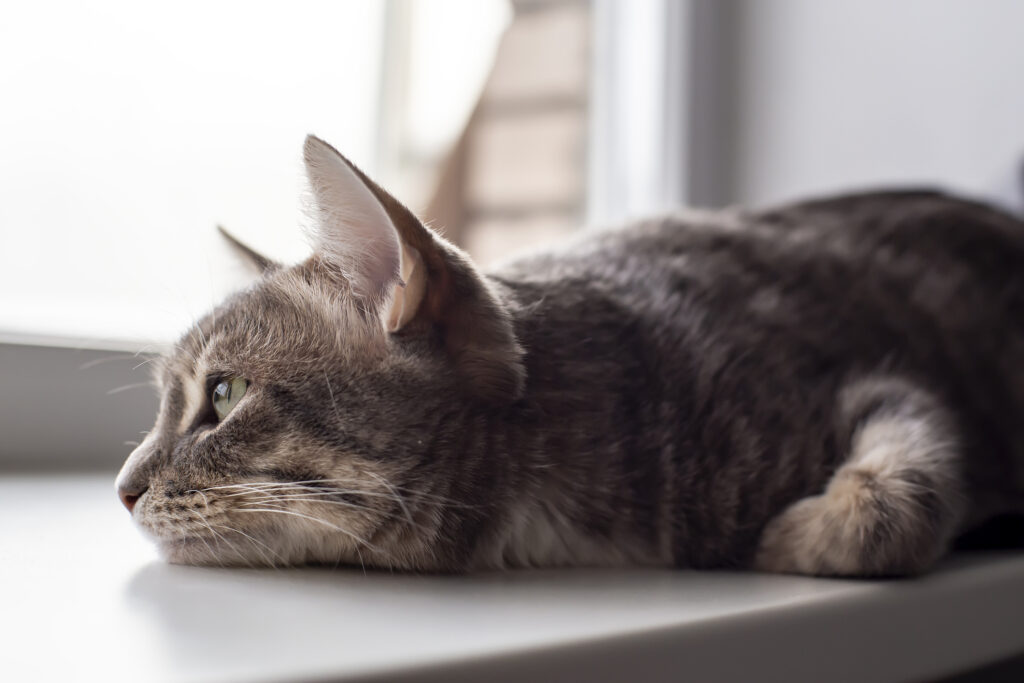
koldunova/iStock/Getty Images Plus via Getty Images
You may have noticed that your cat has seemed a little blue lately.
Maybe they are sleeping more or not wanting to play and you’re thinking, “Can cats be depressed?”
Yes, cats can experience changes in mood and behavior that may look like depression.
Let’s discuss what you should know about cat depression, including why it happens, how it can be treated, and how you can help reduce the risk in your furry feline.
Key Takeaways
- Cats can experience changes in mood and behavior that may resemble depression because of health conditions, stress, or boredom.
- Cats with depression-like behavioral changes may experience lethargy, decreased appetite, a lack of interest in normal activities, or poor grooming.
- Treatment for depression may include managing underlying health concerns, providing more mental enrichment, and reducing stress-related home changes.
- Regular veterinary care, mental stimulation, and a consistent, stable routine may help reduce stress and the risk of depression-like behavioral changes.
What Is Cat Depression?
Cats can experience changes in mood or behavior that may resemble sadness or depression. These changes may indicate an underlying health concern, a behavioral issue, or stress. Affected cats may show symptoms such as lethargy, reduced appetite, and little interest in play.
While depression itself is not considered a medical emergency, the underlying cause for this behavioral change can become one, such as if the cat has a urethral blockage.
Cats are very good at hiding their pain and discomfort, so if you are noticing depressive symptoms, it is important for you to schedule a veterinary visit promptly to determine the cause.
Symptoms of Cat Depression
Cats experiencing depression-like changes may show signs such as:
- Lethargy
- Decreased appetite
- Changes in vocalizations (meowing more or less)
- Sleeping more
- Lack of interest in play
- Poor grooming
- Flattened ears
- Tucked tail
- Accidental urination
Causes of Cat Depression
If you suspect your cat is depressed, it’s important to schedule a veterinary visit to determine the reason why.
Cat depression can be associated with a variety of underlying issues, including changes in the home environment, health concerns, and boredom. Some possible causes include:
- Medical condition: Underlying health concerns, such as kidney disease or cancer, can cause changes in a cat’s activity, appetite, behavior, and overall well-being.
- Changes in the home environment: If you have returned to the office when you used to work from home, if you’ve recently moved, or if you’ve added a new pet to your household, your cat may experience sadness and stress as they learn to adjust.
- Loss of a family member: If a family member or another pet has recently died, your cat may be noticeably sad as they grieve the loss.
- Boredom: If cats don’t have enough mental stimulation or play time each day, they can become bored and depressed.
- Pain: If your cat is experiencing pain from an injury or is recovering from surgery, they may experience temporary depression during recovery.
While any cat can experience depression, some breeds, such as Siamese and Abyssinian cats, may be more sensitive to stress or changes in their environment, which can affect their behavior and mood.
How Veterinarians Diagnose Cat Depression
There’s no single test for depression-like behavioral changes in cats.
Diagnosing depression in cats generally involves a physical exam, a thorough history, and testing to rule out underlying health issues.
Your veterinarian will start by examining your cat from head to toe to identify any obvious abnormalities.
Your vet will want to know what behaviors you are noticing in your cat and when they started, along with any recent changes that may have occurred in your home.
To rule out underlying health issues, your vet may perform the following tests:
- Blood work: A sample of blood is used to check your cat’s blood cell counts, organ function, and electrolytes. Infectious disease screening for contagious diseases, such as FeLV, can also be done.
- Urinalysis: A sample of urine can be checked for signs of inflammation, infection, and other urinary abnormalities.
- Imaging: X-rays or ultrasound can be done to look for heart or lung abnormalities, enlarged organs, fluid buildup, or inflammation.
Treatment of Cat Depression
Depression-like behavioral changes in cats can improve in many instances, particularly when they are due to a treatable health condition.
The time this takes varies, based on what the underlying cause is and how responsive the cat is to treatment. In some instances, long-term management may be needed to curb depressive symptoms.
Treatment for cat depression may consist of the following:
- Managing any underlying health conditions with appropriate medications.
- Adding mental stimulation and enrichment, such as climbing towers or feather toys, to curb boredom.
- In some cases, your veterinarian may prescribe behavioral medications, such as fluoxetine, to help manage underlying anxiety or other behavioral concerns.
Recovery and Management of Cat Depression
Recovery from cat depression varies depending on the underlying cause.
Cats may recover quickly if the underlying cause is appropriately managed. For example, if a cat’s behavioral changes are related to pain or discomfort from an underlying medical condition, their behavior may improve once that condition is appropriately treated.
On the other hand, cats who have lost a family member or another pet can experience depression that lasts for months. If behavioral changes are persistent or severe, your veterinarian may recommend medication in addition to environmental and behavioral support.
Cats who are recovering from depression benefit from affection, play, and a quiet, stable home environment. Adding Feliway diffusers to your cat’s resting area may help reduce stress.
Cats with a reduced appetite may benefit from a temporary switch to canned food , or, if recommended by their veterinarian, taking an appetite stimulant such as mirtazapine.
Prevention of Cat Depression
You can take a few proactive steps to reduce the risk of depression in your cat. Consider the following tips:
- Provide your cat with a stable, consistent routine at home to reduce stress and support security.
- Offer plenty of play time and affection to help your cat feel loved.
- Provide climbing trees, scratching posts, and a variety of toys to keep your cat mentally stimulated.
- Ensure your cat receives regular veterinary care to identify health concerns early so your vet can make a prompt diagnosis and order any treatment if needed.
Cat Depression FAQs
How can I tell if my cat is depressed?
Depressed cats may show symptoms such as decreased appetite, a lack of interest in normal activities, and poor grooming habits. Cats experiencing stress or discomfort may also pull their ears back or crouch closer to the ground.
How can I cheer up my depressed cat?
If you think your cat is depressed, schedule a veterinary appointment to rule out any underlying medical issues first. If your cat is determined to be healthy, you can offer extra affection and play time, provide mental enrichment, and maintain a quiet, consistent home routine to boost your cat’s mood.
How long can cat depression last?
The length of time cat depression lasts varies depending on the underlying cause. Depression related to loss of a family member or other household pet typically lasts longer than depressive symptoms related to a health condition that can be treated and resolved.


