Abortion in Dogs: What Is It, and How Is It Performed?


Thirawatana Phaisalratana/iStock/Getty Images Plus via Getty Images
Unwanted pregnancy is relatively common in dogs as a direct result of an unplanned mating, otherwise known as a mismating.
To avoid unwanted or potentially unhealthy puppies, termination of the pregnancy may be necessary.
An abortion in dogs should only be performed by a licensed veterinarian at the request of the pet parent and in a safe, humane manner.
Key Takeaways
- Abortion in dogs is most performed through an ovariohysterectomy (spay surgery), which removes the uterus and ovaries to safely terminate pregnancy and prevent future pregnancies.
- Medical abortion is less commonly used and involves medications, but it carries higher risks, including side effects and possible treatment failure, and does not prevent future pregnancies.
- The decision to terminate a dog’s pregnancy should always be made with a veterinarian, as timing, health risks, and the dog’s condition can all affect the safest and most effective approach.
What Is an Abortion in Dogs?
Abortion in dogs is most performed by ovariohysterectomy (OVH) surgery.
This is the same surgical procedure performed when a female dog is spayed to prevent unwanted pregnancy.
During an abortion, the uterus and ovaries are removed, which results in termination of the pregnancy.
An OVH procedure is important because it also eliminates the risk of future pregnancies and provides additional health benefits associated with spaying, such as preventing pyometra and reducing the risk of certain reproductive diseases. This is almost always the optionrecommended by veterinarians for abortion in dogs.
Less commonly, termination of pregnancy in dogs can be performed with medications, including dexamethasone, prostaglandin F2-alpha injections, and/or misoprostol. These treatments can terminate a pregnancy while preserving the dog’s ability to become pregnant again.
However, medical abortion carries additional risks, including side effects such as increased thirst or urination, panting, trembling, nausea, vomiting, and diarrhea. It can also fail if the timing is not appropriate. And because the uterus and ovaries remain intact, dogs are still at risk for pyometra and other reproductive diseases.
For these reasons, most veterinarians do not recommend medical abortion unless future breeding is planned.
What Happens During an Abortion in Dogs?
It’s important to confirm pregnancy before an abortion in dogs is performed.
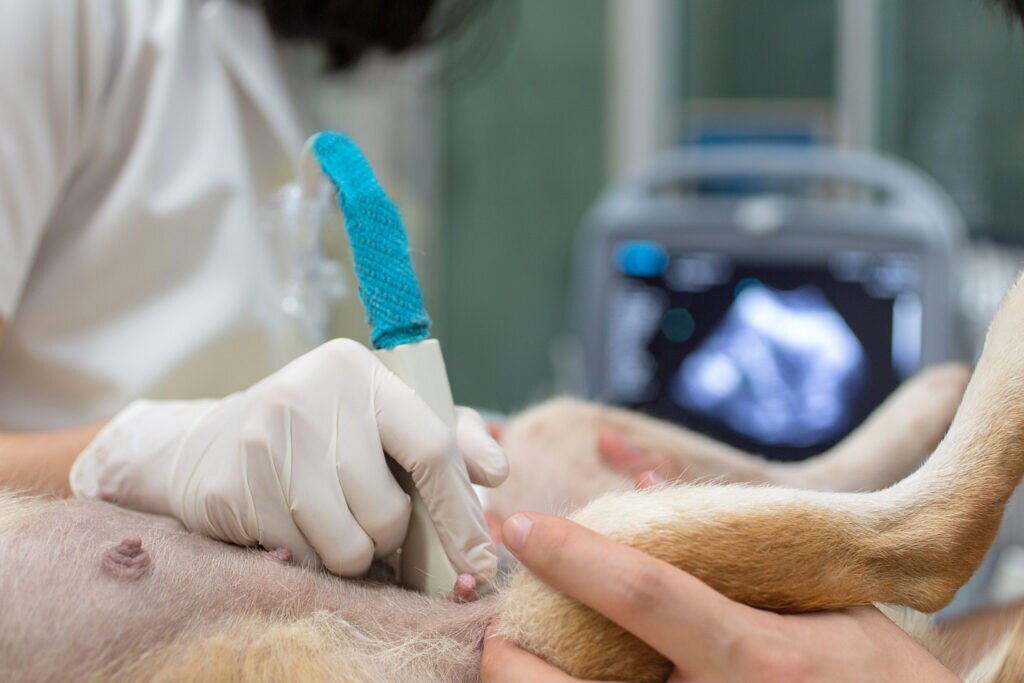
Once an unwanted pregnancy has been confirmed through ultrasound, X-rays, or blood testing, your veterinarian will discuss your options if pregnancy termination is desired.
During a surgical abortion, your veterinarian will place your dog under general anesthesia to ensure the procedure is performed safely and without pain. Once the abdomen is opened, the veterinarian removes the uterus containing the embryos or fetuses, along with the ovaries.
The pregnancy is terminated when the reproductive tract is removed. The procedure itself is like a routine spay, although it may be more technically challenging depending on the stage of pregnancy.
Why Would a Dog Need an Abortion?
Dogs most often need an abortion due to:
-
Mismating, or an unplanned pregnancy
-
Mating between dogs of significantly different sizes
-
An unintended mating between purebred and mixed-breed dogs or incompatible breeding pairs
-
A pet parent not wanting puppies
-
A female dog being too old or having health conditions that make pregnancy risky
-
A female dog being too young for a healthy pregnancy
-
Unhealthy embryos or fetuses
-
Fetal death
-
Certain infections that threaten the pregnancy
Risks of Abortion in Dogs
Surgical abortion in dogs does not come without risk.
Although side effects are uncommon, general anesthesia can cause vomiting, nausea, or prolonged recovery.
Serious complications such as cardiac arrest or stroke can also occur, especially in dogs with underlying health conditions.
There’s also an increased risk when a dog is spayed during pregnancy compared to a routine spay. During pregnancy, blood vessels supplying the reproductive tract become enlarged, making them more challenging to access and tie during surgery. This can increase the risk of bleeding during or after the procedure.
Surgery on a pregnant dog may also take longer than a routine spay, which can result in a longer anesthesia time and a longer hospital stay for monitoring and recovery. The surgical incision may be longer as well, particularly in later-stage pregnancies, which can lengthen recovery time.
Additionally, surgical risks increase in later stages of pregnancy.
Benefits of Abortion in Dogs
Benefits of surgical abortion in dogs include:
-
Helping control the unwanted pet population
-
Preventing the birth of unwanted litters
-
Preventing future pregnancies through spaying
-
Eliminating the risk of pyometra
-
Stopping future heat cycles, including bleeding and attraction of male dogs
-
Relieving medical distress if carrying the litter to term would endanger the mother dog
Effectiveness of Abortion in Dogs
Ovariohysterectomy surgery is the only permanent method of abortion in dogs. Because the uterus and ovaries are removed, the pregnancy is terminated and future pregnancies are prevented.
Cost of an Abortion in Dogs
The cost of surgical abortion in dogs varies depending on several factors, including your dog’s age, size, overall health, and stage of pregnancy.
In a young, otherwise healthy dog early in pregnancy, the cost may be like that of a routine spay surgery. In older dogs, dogs with health conditions, or dogs further along in pregnancy, the cost is typically higher because of longer surgical times and increased risk.
An OVH surgery performed for pregnancy termination may cost anywhere from $450 to $3,000.
To help with the cost of surgery, financial assistance may be available through your veterinarian’s office in the form of payment plans. Other options include Scratch Pay and CareCredit.
Preparation for an Abortion in Dogs
Before planning an abortion, your veterinarian will first confirm the pregnancy.
To prepare for surgery, your veterinarian will perform a physical exam and may recommend blood work and urine testing to help ensure it is safe for your dog to undergo general anesthesia.
At home, prepare a quiet, comfortable recovery area before your dog’s procedure. A crate your dog enjoys or a soft bed with easy access to food and water can help support recovery after surgery.
The night before surgery, your veterinarian will typically recommend withholding food to your dog after a certain time.
This fasting helps reduce the risk of complications such as aspiration during anesthesia.
Follow your veterinarian’s specific instructions regarding food and water restrictions.
Post-Op Care and Recovery for an Abortion in Dogs
After surgery, having a comfortable recovery space is important. This area should provide enough room for your dog to stand, walk around, and stretch comfortably while preventing excessive activity.
Restricting activity is essential to reduce stress on the surgical incision and decrease the risk of complications such as infection or a reopening of the surgical incision.
Avoid running, jumping, rough play, and strenuous activity for at least 10 days, or as directed by your veterinarian.
While your dog recovers, follow all medication instructions carefully.
Even if your dog appears to be fully recovered, it’s important to administer all medications exactly as prescribed and for the full recommended duration.
Alternatives to Abortion in Dogs
If future breeding is planned, a medical abortion may be an alternative to surgical abortion.
Medication protocols generally take several days to two weeks to complete, and follow-up testing, such as ultrasound, may be needed to confirm the pregnancy has been successfully terminated.
Common side effects of medical abortion include nausea, vomiting, diarrhea, panting, abdominal pain, and vaginal discharge.
A medical abortion also carries the risk of treatment failure and may increase the risk of contributing to a pyometra or life-threatening infection of the uterus.
Abortion in Dogs FAQs
What can I do to terminate a dog's pregnancy?
If your dog is pregnant and you wish to terminate the pregnancy, schedule an appointment with your veterinarian. Your vet will confirm the pregnancy by using diagnostic testing such as ultrasound or X-rays. They will also discuss the available treatment options, surgery or medication.
How much does the abortion pill cost for a dog?
There is no approved abortion pill that pet parents can administer at home to dogs. If a medical abortion is appropriate, your veterinarian may use medications to terminate the pregnancy. Costs vary widely but may range from approximately $200 to $1,500.
What should I do if my dog accidentally gets pregnant?
If your dog accidentally becomes pregnant, contact your veterinarian as soon as possible to discuss your options. If you do not intend to raise a litter, your veterinarian may recommend pregnancy termination and spaying.
How long can you wait to terminate a dog’s pregnancy?
A dog’s pregnancy can potentially be terminated at different stages, but the available options and associated risks vary depending on how far along the pregnancy is. Your veterinarian can help determine the best time frame and course of action based on your dog’s individual situation.


