Common Behavior Changes in Your Senior Dog and How You Can Help
IN PARTNERSHIP WITH


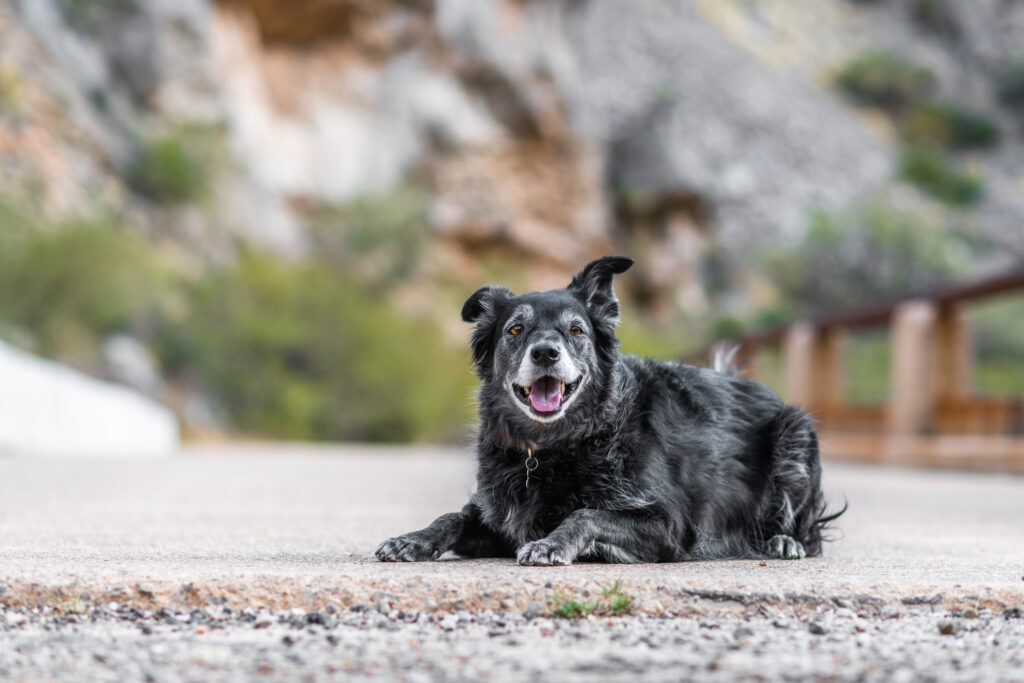
jurden/iStock/Getty Images Plus via Getty Images
Just like people, dogs undergo physical and cognitive changes as they age. Some are subtle, while others are more noticeable—from slowing down on walks to their seeming confused at times. Understanding these changes can help you provide comfort and care to your senior dog.
Key Takeaways
- Senior dog behavior changes are often caused by aging-related physical, metabolic, cognitive, or sensory decline, not “just old age.”
- Pain, arthritis, and chronic medical conditions commonly drive behavior changes and may be subtle or hidden.
- Canine Cognitive Dysfunction (CCD) can cause confusion, sleep disruption, anxiety, and house-soiling in older dogs.
- Behavior changes should never be ignored and always warrant a veterinary exam to rule out treatable medical causes.
- Medical care, environmental adjustments, and consistent routines can greatly improve a senior dog’s comfort and quality of life.
Why Senior Dog Behavior Changes
Aging affects a dog’s physical and metabolic health, brain function, and senses. These changes ultimately influence how they feel, move, and respond to their environment.
Mobility, Hearing and Vision
As dogs age, you might notice they seem stiff when getting up from a nap or hesitate before jumping onto the couch to sit beside you. Changes in hearing and vision can also make older dogs easier to startle or cause them to miss a treat tossed their way.
Some of these changes are part of the normal aging process, such as cataracts or degenerative joint disease like osteoarthritis. Others may point to underlying health issues, including glaucoma or long-term inflammation or infection.
All of these conditions can influence your senior dog’s comfort and behavior, which is why even subtle changes are worth paying attention to and discussing with your veterinarian.
Metabolic Health
Metabolic health—how the body manages blood sugar, weight, organ function, and energy—can also change as a dog ages. Organs such as the thyroid gland, kidneys, and liver play an important role in regulating metabolism and keeping energy and nutrients in balance.
As dogs get older, these organs may be affected by age-related disease, which can throw that balance off.
Pet parents might notice these changes as shifts in appetite, unexplained weight gain or loss, lower energy levels, or a general sense that your dog just does not seem quite like themselves.
Any of these signs are worth discussing with a veterinarian, since metabolic changes can sometimes be managed more effectively when caught early.
Canine Cognitive Dysfunction
Older dogs can develop canine cognitive dysfunction (CCD), sometimes called “doggie dementia.” CCD is linked to age-related changes in the brain, including the loss of nerve cells, reduced blood flow, and changes in how the brain functions overall.
Dogs living with CCD may seem confused in familiar places or forget routines they once knew well, such as where to go to the bathroom.
Some senior dogs may wander without a clear purpose, appear disoriented, or have trouble settling down and sleeping through the night. These changes can be upsetting to witness, but they are often gradual and may be subtle at first.
Aging of the senses, nervous system, and joints can also cause senior dogs to react differently to changes in their environment. What seems like a harmless rearrangement of furniture can create confusion for a senior dog.
Loud noises, slippery floors, and sudden temperature changes can trigger anxiety and lead to fear, irritability, avoidance, or aggression.
Pain
Pain may not be obvious in senior dogs because many hide discomfort well. A dog with arthritis may not yelp or limp, but subtle signs—such as reduced willingness to climb stairs or jump into the car—suggest discomfort.
Decreased appetite can be one of the only signs of pain from periodontal disease. Constant licking, chewing, or scratching; increased panting or pacing; or irritability can also indicate pain.
While some changes are a natural part of aging, others signal underlying health issues that deserve attention. It is important to discuss behavior changes with your veterinarian.
Common Behavior Changes in Older Dogs
Every senior dog is unique, but the following are some of the most frequent behavior changes pet parents report:
-
Anxiety or restlessness—pacing, whining, or separation anxiety
-
Changes in sleep patterns—restless sleep or a reversed day/night schedule, meaning they are more active at night and more lethargic during the day
-
House soiling—accidents indoors including urinary or fecal incontinence
-
Changes in activity—withdrawal from interactions with their family members or repetitive actions such as pacing, circling, staring, or excessive licking
-
Irritability—Unexpected growling or snapping
-
Confusion—getting lost or unable to navigate familiar surroundings
Do not ignore any of these behavior changes in your senior dog. Have your veterinarian examine them to determine if there is a medical reason for the change.
When To Call the Veterinarian
Not all behavior changes are due to old age. Arthritis, dental disease, pain, or other medical conditions can also lead to behavioral changes. Identifying the cause of the behavior is key to providing appropriate comfort and medical care.
Call your veterinarian if you notice:
-
Increased drinking or urination
-
Loss of appetite or unexplained weight loss
-
Sudden aggression or anxiety
-
Reluctance to move or difficulty walking
-
Change in eyesight or vision
-
Confusion
Your veterinarian will likely recommend diagnostics to determine the root cause. This is why regular checkups—every six months for senior dogs—are crucial.
Catching issues early and creating a treatment plan can help your dog avoid unnecessary pain and suffering. If you’re looking for a senior-focused veterinarian, check out the Senior Dog Veterinary Society to determine if there is a senior dog-certified vet in your area.
How to Help Your Senior Dog
The treatment plan for your senior dog may include medications, behavioral therapy, or adjustments to your dog’s environment.
Senior dogs often develop conditions that require prescription medications and supplements. These treatments help alleviate discomfort, improve mobility, and maintain overall health:
-
NSAIDs (non-steroidal anti-inflammatories) such as Metacam, carprophen, or gabapentin and a joint supplement are commonly used for pain relief and arthritis. Work with your vet to determine which options make sense for your dog.
-
Cognitive changes and nighttime restlessness may also be helped by selegiline (Anipryl), omega-3 supplements, or brain-support diets such as Purina Pro Plan Neurocare.
-
Anxiety may be managed with trazodone or fluoxetine; calming pheromones, or supplements such as Purina Pro Plan Calming Care may also help.
-
Heart, thyroid, kidney, and eye conditions require specific treatments. Your veterinarian will tailor medications to your dog’s needs.
If your vet recommends behavioral therapy for your senior dog, the therapy will focus on support and comfort. Changes in a dog’s memory, senses, and mobility can affect how they interact with their surroundings. Take a moment to imagine life from your dog’s perspective to better understand the challenges they face.
Small changes to the environment can make a big difference in how your dog moves, rests, and enjoys the space they are in. Some examples include:
-
Non-slip rugs, yoga mats, or stair treads
-
Ramps or stairs to help get into the car or onto the couch
-
De-cluttered pathways to prevent confusion or stumbling
-
Elevated food and water bowls to make it easier to eat and drink
-
Orthopedic beds for more comfortable rest
-
Night lights to improve visibility
-
Predictable routines to reduce stress, especially if memory is declining
-
Hand or scent cues to supplement verbal commands
Supporting your senior dog is a team effort. In addition to your family and veterinary team, consider involving your groomer, dog walker, or boarding professionals. Multiple sets of eyes can catch subtle behavior changes early, giving you the opportunity to address concerns with your veterinarian and support your senior dog’s comfort and quality of life as they age.


