Does My Hamster Have a Cold?

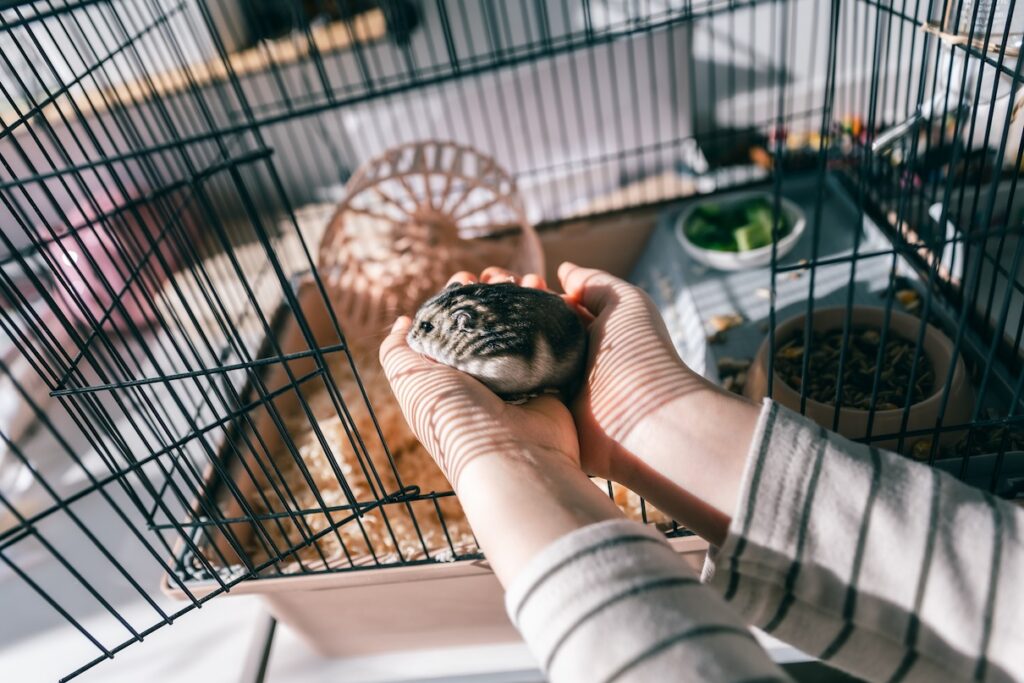
CHEBOTKEVICH/iStock/Getty Images Plus via Getty Images
Although pet parents often use the term “cold,” hamsters do not usually develop the same common cold viruses that affect humans. Instead, cold-like symptoms are more often caused by a respiratory infection, which can become serious if left untreated.
Knowing what signs to watch for and when to seek veterinary care can help your hamster recover more quickly.
Key Takeaways
- Hamsters do not typically catch the same common cold as humans, but they can develop respiratory infections with similar symptoms.
- Sneezing, nasal discharge, labored breathing, and/or loss of appetite all warrant immediate veterinary attention.
- Difficulty breathing, open-mouth breathing, and severe lethargy are medical emergencies for hamsters, necessitating immediate veterinary care.
- Early diagnosis and treatment give hamsters the best chance for a full recovery.
Can Hamsters Get a Cold?
Not exactly. Hamsters do not usually catch the same viruses that cause the common cold in humans. However, they can develop bacterial or viral respiratory infections that produce many of the same signs, including sneezing, watery eyes, and nasal discharge.
Respiratory infections may develop after exposure to poor ventilation, sudden temperature changes, stress, overcrowding, or other factors that weaken the immune system. Very young, very old, or already sick hamsters may be at greater risk of developing severe disease.
Because respiratory disease can worsen quickly in such a small animal, any hamster showing cold-like symptoms should be evaluated by a veterinarian experienced with small mammals.
How Do I Know If My Hamster Has a Cold?
Look for changes in both your hamster’s breathing and behavior. Common signs of a respiratory infection in hamsters include:
-
Sneezing
-
Nasal discharge
-
Watery or crusty eyes
-
Noisy breathing or wheezing
-
Rapid or labored breathing
-
Decreased appetite
-
Weight loss
-
Low energy or lethargy
-
A rough or unkempt coat
Some symptoms may not appear until the infection has progressed. A hamster who suddenly stops eating, hides more than usual, or becomes less active should be examined by a veterinarian.
Seek immediate veterinary attention if your hamster is:
-
Open-mouth breathing
-
Experiencing severe difficulty breathing
-
Has blue or gray gums or skin
-
Shows extreme weakness
-
Refuses to eat or drink
These signs may indicate pneumonia or severe respiratory distress, both of which can become life-threatening very quickly.
What To Do When Your Hamster Has a Cold
If you suspect your hamster has a respiratory infection, schedule a veterinary appointment as soon as possible. Respiratory infections often require prescription medication and supportive care, so home treatment alone is usually not enough.
While waiting for your appointment, you can help reduce stress by:
-
Keeping your hamster’s enclosure warm and free from drafts
-
Providing fresh food and clean water
-
Keeping the cage clean and dry
-
Using low-dust bedding (if recommended by your veterinarian)
-
Minimizing handling until your hamster feels better
Never give your hamster over-the-counter cold medicines or antibiotics that were prescribed for another pet or person. These medications can be dangerous or ineffective and may delay proper treatment.
When Should You Take Your Hamster to the Vet?
Any hamster with cold-like symptoms should be evaluated by a veterinarian, especially if symptoms last longer than 24 hours or seem to worsen.
Schedule an appointment promptly if your hamster:
-
Is sneezing repeatedly
-
Has discharge from the nose or eyes
-
Has noisy or rapid breathing
-
Stops eating normally
-
Appears tired or inactive
The sooner treatment begins, the better the chances of recovery.
Treating Colds in Hamsters
Veterinarians begin by performing a physical examination and asking questions about your hamster’s symptoms, enclosure, bedding, ventilation, recent environmental changes, and diet. Depending on your hamster’s condition, additional testing such as laboratory tests or X-rays may be recommended to help identify the underlying cause of the illness.
Treatment depends on what is causing the respiratory infection and how sick your hamster is. Your veterinarian may recommend:
-
Prescription antibiotics if a bacterial infection is suspected
-
Fluids to prevent or treat dehydration
-
Nutritional support, such as ensuring your pet is eating a hamster-appropriate diet
-
Oxygen therapy for severe breathing difficulties
-
Other supportive care, including possible hospitalization, to help your hamster recover
Many hamsters improve with prompt treatment, but severe pneumonia can be difficult to treat, making early veterinary care especially important.
Hamster Cold FAQs
Can humans give a hamster a cold?
No, hamsters generally do not catch the same viruses that cause the common cold in humans.
Can a hamster recover from a respiratory infection?
Yes, many hamsters recover with prompt veterinary treatment, especially when the infection is diagnosed early.
Can I treat my hamster’s cold at home?
No, your hamster should be examined by a veterinarian because respiratory infections can become serious quickly. Supportive care at home should only be provided alongside veterinary treatment.
How can I help prevent respiratory infections?
Providing a clean enclosure, good ventilation, appropriate bedding, proper nutrition, and minimizing stress can all help reduce your hamster’s risk of developing respiratory disease.
This article was created with assistance from AI tools. The content has been reviewed for accuracy and edited by a veterinarian.


