Why Is My Hamster Sneezing? What To Look Out for and When To Call Your Exotic Vet


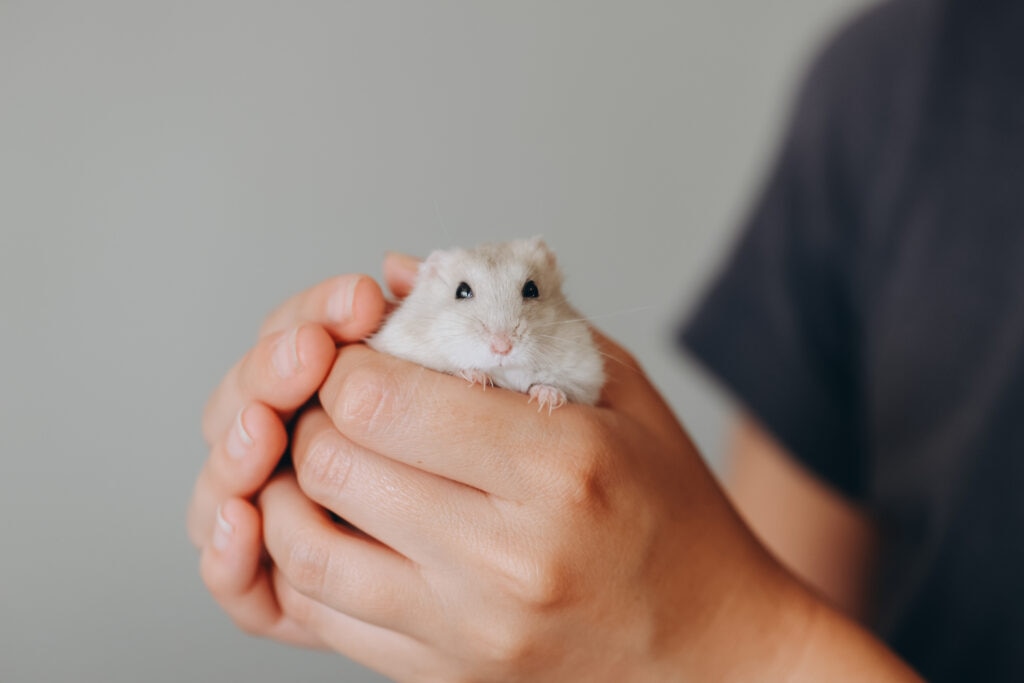
anatoliycherkas/iStock/Getty Images Plus via Getty Images
If you notice your hamster sneezing, it’s natural to wonder, “Why is my hamster sneezing a lot?”
Occasional sneezing can be completely normal, especially with certain bedding types or environmental irritants.
But frequent or persistent sneezing, especially when paired with other abnormal signs, can indicate an underlying issue that should be addressed as soon as possible.
Key Takeaways
- Occasional sneezing in hamsters can be normal, especially due to dust or mild environmental irritants.
- Frequent or persistent sneezing may signal infection, dental disease, allergies, or poor enclosure conditions.
- Warning signs, such as nasal discharge, lethargy, labored breathing, or decreased appetite, require prompt veterinary care.
Why Is My Hamster Sneezing?
Hamsters sneeze to clear irritants from their nasal passages. In hamsters, sneezing can occur due to environmental irritants, infection, allergies, or inflammation.
Sneezing itself is a normal reflex in both humans and animals, so it’s important to recognize when it becomes concerning.
Hamster sneezes may sound like a quick, explosive exhalation through the nose. They can resemble high-pitched clicks, tiny snorts, or small chuffs.
An occasional sneeze, like in people, is normal. It becomes more concerning when a hamster sneezes a lot, paws at their face, becomes lethargic, develops facial swelling, has nasal or eye discharge, eats less, grooms less, or develops wet staining around the nose.
Common Causes of Sneezing in Hamsters
Common causes of sneezing in hamsters include:
-
Dusty or scented bedding, such as pine, cedar or low-quality paper bedding
-
Poor enclosure hygiene, including ammonia buildup from urine
-
Inadequate ventilation
-
Upper respiratory infections
-
Foreign material in the nose, such as bedding
-
Allergies or sensitivity to bedding, food, or nesting material
-
Pneumonia
-
Dental disease
-
Environmental irritants, such as candles, smoke, gas, cleaning sprays, aerosols, or fireplaces
When To Call Your Exotic Vet
Contact your exotic veterinarian if your hamster is sneezing more often than usual or shows additional symptoms, such as:
-
Eye or nasal discharge
-
Labored or wet-sounding breathing
-
Lethargy
-
Weight loss
-
Decreased appetite
-
Facial swelling
At the veterinary visit, you can expect a physical exam to assess breathing, nasal passages, and dental health.
Your veterinarian will also discuss enclosure setup and diet. Because some bacteria that cause respiratory disease can be transmitted between people and small mammals, your vet may ask whether anyone in the household has been sick recently.
In some cases, additional testing may be recommended. This may include imaging, such as X-rays or a CT scan, to evaluate the lungs, heart, and dental roots for signs of infection, heart disease, or abscesses. If a bacterial infection is suspected, your vet may recommend a culture and sensitivity test to identify the bacteria involved and determine which antibiotic is most appropriate.
Not all hamsters require advanced testing, so it’s important to discuss options with your veterinarian.
Other warning signs to look out for include crusty eyes, matted fur around the nose and face, decrease activity, a hunched posture, or dropping food.
Treatment of Sneezing in Hamsters
Treatment depends on the underlying cause.
-
Environmental causes often improve with higher-quality bedding, better ventilation, thorough cleaning, more frequent bedding changes, and reducing environmental pollutants, such as candles or aerosolized products.
-
Bacterial infections or pneumonia are typically treated with antibiotics, either based on culture and sensitivity results or with broad-spectrum antibiotics that cover a wide range of bacteria.
-
Dental disease may require tooth trimming if teeth are overgrown and providing safe chew options to help your hamster wear down their teeth naturally.
Your veterinarian may also recommend supportive care, such as supplemental feeding with a recovery diet (e.g., Oxbow Critical Care), if your hamster is not eating well on their own.
Why Is My Hamster Sneezing? FAQs
How to treat hamster sneezing?
Treatment depends on the underlying cause of the sneezing. Mild cases may resolve with improved enclosure hygiene or switching to less irritating bedding. Infections or more severe cases require veterinary care.
What to do if my hamster has a cold?
Hamsters do not get “colds” like humans that simply resolve on their own. If you suspect that your hamster has an upper respiratory infection, it’s important to have them examined by an exotic veterinarian right away.
What are common end-of-life signs in hamsters?
Signs of end-of-life in hamsters may include significant weight loss, rapid or labored breathing, extreme lethargy, and refusal to eat. If your hamster shows any of these signs, get them seen at an exotic vet right away to prevent suffering.
Are hamsters supposed to sneeze?
In hamsters, sneezing is a normal bodily reflex used to expel irritants from the nose, and occasional sneezing is expected. However, frequent or persistent sneezing should be evaluated, especially if accompanied by other symptoms.


