Hamster Cataracts: What They Are and How To Help Your Pet


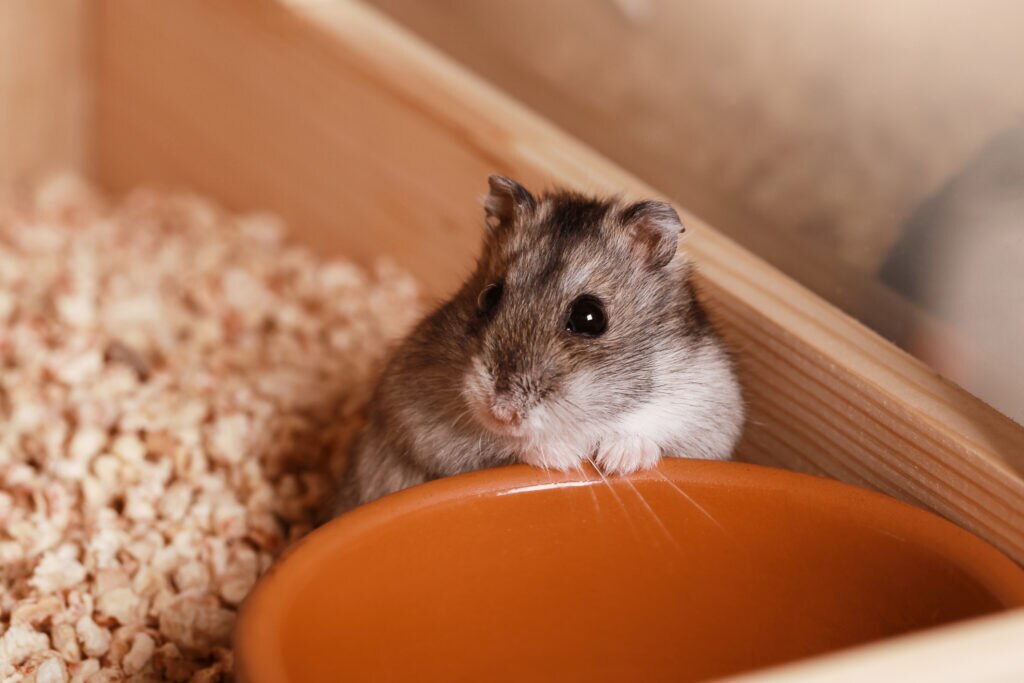
Liliya Filakhtova/iStock/Getty Images Plus via Getty Images
Hamster cataracts are a common eye condition that causes a cloudy or milky appearance in one or both eyes and can lead to reduced vision—most often due to aging, genetics, or underlying health issues like diabetes.
While they’re usually not an emergency, any sudden eye changes should be checked by a veterinarian.
Key Takeaways
- Hamster cataracts cause a cloudy eye and vision changes, most often due to aging, genetics, or conditions like diabetes.
- Cataracts are usually not an emergency, but sudden eye changes or signs of pain should always be evaluated by a veterinarian.
- While cataracts can’t typically be reversed, most hamsters adapt well with supportive care and a safe, consistent environment.
What Are Hamster Cataracts?
A cataract occurs when the normally clear lens inside the eye becomes cloudy or opaque. The lens focuses light onto the back of the eye (the retina) so a hamster can see clearly. When a cataract forms, light can’t pass through the lens normally, leading to blurred vision or vision loss.
In hamsters with cataracts, the normally clear eye may appear to be:
-
Cloudy
-
Milky white
-
Bluish or gray in color
The cloudiness may affect part of the lens or the entire eye. However, there is typically no discharge, crustiness, or change in the eye’s shape or size.
As cataracts develop, the proteins inside the eye’s lens begin to break down or clump together. This disrupts the lens’s transparency, creating the cloudy appearance that pet parents often notice.
Over time, cataracts may become larger and can significantly reduce a hamster’s ability to see.
The eye contains several structures that work together for vision. Cataracts specifically affect the lens, which sits behind the pupil. In a healthy eye, the lens is clear and flexible. With cataracts, the lens becomes opaque and stiff due to changes in its proteins and fibers.
Because hamsters are nocturnal, they rely heavily on smell and hearing rather than vision. Therefore, mild vision impairment may not dramatically affect their daily behavior.
In most cases, cataracts are not an emergency if your hamster is feeling fine, eating normally, and active.
However, a sudden change in the eye’s appearance or vision should always be evaluated by an exotic-animals veterinarian.
In rare cases, cataracts can be associated with other eye problems, such as inflammation, injury, or glaucoma. These conditions can be painful and require prompt veterinary care.
Symptoms of Hamster Cataracts
Pet parents may notice several signs when a hamster develops cataracts, including:
-
Cloudy, milky, or bluish eyes
-
Different-colored eyes
-
Reduced vision or difficulty navigating their cage
-
Bumping into objects
-
Hesitation when climbing or exploring
-
Increased reliance on smell and whiskers for navigation
Most hamsters show few or no obvious symptoms aside from visible eye cloudiness.
Causes of Hamster Cataracts
Several factors may contribute to cataract development in hamsters.
Age
The most common cause of cataracts in hamsters is age-related degeneration. As hamsters get older, natural changes in the eye’s lens can lead to cloudiness.
Because hamsters have a relatively short lifespan (typically two to three years), cataracts most often appear in middle-aged or senior hamsters (those over 1 year of age).
Genetics
Certain hamster lines may be more prone to cataracts due to inherited traits. Cataracts are commonly reported in Campbell’s dwarf hamsters.
Diabetes
Like humans and dogs, hamsters with diabetes may be more likely to develop cataracts. Elevated blood sugar levels can damage the proteins in the lens and accelerate cataract formation.
Injury or Eye Trauma
Eye damage can sometimes lead to cataracts later in life.
Nutritional Factors
Nutritional deficiencies or poor diets, especially diets high in seeds and fruits, can contribute to overall eye health problems. Rodent block food should be a hamster’s main diet.
How Veterinarians Diagnose Hamster Cataracts
A veterinarian typically diagnoses cataracts with a physical exam and eye evaluation.
Common diagnostic methods include:
-
Physical exam: The veterinarian evaluates the hamster’s overall health and examines the eyes for cloudiness, swelling, or injury.
-
Ophthalmic exam: A special magnifying light (ophthalmoscope) is used to inspect the eye’s structures and confirm whether the lens is affected. Sedation is often needed for this because the hamster needs to sit very still.
-
Fluorescein stain test: A special dye may be applied to the eye to check for corneal ulcers or other injuries to the eye’s surface.
-
Blood testing: If diabetes is suspected, blood tests may be recommended to evaluate glucose levels as well as the hamster’s general health.
-
Vision assessment: The veterinarian may observe how the hamster responds to movement or navigates the exam space, although this can be difficult to assess in a nervous animal.
Preparing for the Appointment
Pet parents can help by:
-
Bringing information about the hamster’s diet and habitat
-
Noting when the eye cloudiness was first noticed
-
Monitoring changes in behavior, activity, attitude, thirst, and appetite
Let the veterinarian know if your hamster has:
-
Experienced any recent injuries
-
Had appetite or weight changes
-
Shown signs of lethargy, decreased appetite, or excessive thirst (possible symptom of diabetes)
Treatment of Hamster Cataracts
Unlike in humans or dogs, cataract surgery is not usually performed in hamsters due to their small size and the fact that they don’t heavily rely on sharp vision as pets.
Most cases are managed rather than cured with surgery.
Monitoring
Veterinarians often recommend monitoring the cataracts over time to ensure they are not associated with other eye diseases.
Treating Underlying Conditions
If cataracts are linked to diabetes or inflammation, treating the underlying condition may help prevent cataracts from worsening and improve the hamster’s overall quality of life.
Supportive Care
If eye irritation or inflammation occurs, veterinarians may prescribe medications such as:
-
Anti-inflammatory eye drops
-
Antibiotic eye drops if infection is suspected (rare)
-
Artificial tear products to help keep the eyes comfortable
Most importantly, a safe, single-story cage can minimize the risk of injury from falling and help support a hamster with cataracts.
Recovery and Management of Hamster Cataracts
Most hamsters with cataracts adapt well to reduced vision. In fact, many pet parents never notice that their hamster has cataracts. Because hamsters rely heavily on smell and hearing, they can typically still navigate their environment effectively.
Management strategies include:
-
Keeping the cage layout consistent
-
Limiting the hamster to a single-story cage with no shelves or ledges to prevent accidental falls
-
Avoiding the rearrangement of toys or accessories
-
Ensuring food and water are easy to locate
Recovery depends on the underlying cause. Cataracts are generally irreversible, but many hamsters live comfortably with the condition.
Helpful Products for Management
Pet parents may find it helpful to provide:
-
Safe, stable cage accessories
-
Soft bedding (such as Carefresh or another paper bedding)
-
Easily accessible food dishes
High-quality nutrition can support overall health.
Complete rodent block diets are preferred, since they provide appropriate nutrients for small mammals in optimal amounts.
Prevention of Hamster Cataracts
While cataracts caused by aging or genetics can’t always be prevented, pet parents can take steps to support eye health.
Helpful prevention strategies include:
-
Providing a balanced, high-quality diet
-
Maintaining a clean cage environment
-
Avoiding cage hazards that could cause eye injury
-
Scheduling regular veterinary wellness exams to help catch problems early
-
Monitoring for early signs of illness, especially noting changes in activity, appetite, and thirst
-
Managing conditions like diabetes promptly
Hamster Cataracts FAQs
At what age do hamsters get cataracts?
Cataracts most commonly occur in middle-aged or older hamsters, often after 1 year of age. However, genetic or metabolic conditions can cause cataracts to appear earlier in some animals.
Why is one of my hamster's eyes cloudy?
A cloudy eye may be caused by cataracts, but other possibilities include infection, corneal injury, and inflammation. A veterinarian should examine the eye to determine the exact cause. Cataracts commonly affect both eyes, so if only one eye is involved, it is likely due to another problem.
What causes cataracts in hamsters?
The most common causes include aging, genetics, diabetes, and eye trauma. In many cases, cataracts develop gradually as the hamster gets older and often go unnoticed.


