Syrian Hamster Care Sheet


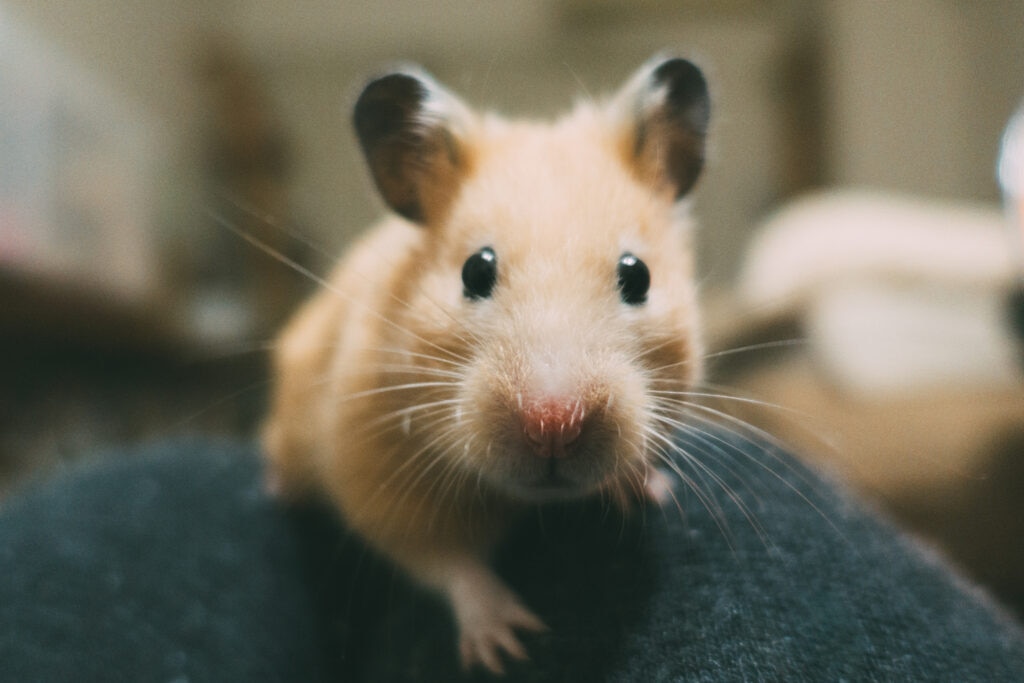
liebre/iStock/Getty Images Plus via Getty Images
Syrian hamsters can make rewarding pets when their specific housing, diet, and handling needs are met. They typically live 2–3 years with proper care.
To stay healthy and happy, they need a secure habitat where they live alone, a balanced diet, daily exercise and enrichment, gentle handling, and routine veterinary care.
Key Takeaways
- Syrian hamsters should live alone in a secure, well-ventilated habitat with plenty of space for exercise, burrowing, hiding, and other natural behaviors.
- A healthy Syrian hamster diet starts with a nutritionally balanced hamster food, supplemented with limited amounts of appropriate grains, vegetables, fruits, and treats, along with fresh water every day.
- Daily enrichment and routine veterinary care are important for Syrian hamster health. Provide an appropriate exercise wheel and safe chew toys, and schedule a veterinary wellness exam at least once a year.
| Difficulty of Care | Beginner to intermediate |
|---|---|
| Average Life Span | 2–3 years with proper care |
| Average Adult Size | 5–7 inches long |
| Diet | Omnivorous |
| Minimum Habitat Size | 40” L x 20” W x 16” H |
Handling Your Syrian Hamster
When properly socialized, hamsters are friendly and usually tolerant of gentle handling.
Pet parents should allow newly homed hamsters time to adjust to their surroundings and acclimate to their new environment.
Hamsters can be squirmy and should be held over a soft or padded surface to prevent injury if they jump or fall.
Never squeeze a hamster tightly or grab them by their tails.
Hamsters may bite when startled, especially if they are sleeping.
Children should always be supervised by an adult while handling a hamster.
Syrian Hamster Behavior
Syrian hamsters have relatively poor eyesight and rely heavily on their senses of smell, hearing, and touch, including their whiskers, to navigate their environment.
Hamsters are also avid burrowers. Deep bedding allows Syrian hamsters to dig and construct burrows, while safe paper nesting material gives them something soft to gather and use inside their sleeping area.
Hamsters have muscular, expandable cheek pouches that they can use to store food, bedding, and other small objects.
Pet parents should seek veterinary care if their hamster has cheek pouches that have a persistent or asymmetric cheek-pouch swelling, inability to empty the pouch, drooling, pawing at the mouth, reduced appetite, bleeding, or a foul odor.
With some training, hamsters can be taught to use a litter box, which can help keep their habitat clean for a longer time.
Syrian Hamster Checklist
To keep a hamster happy and healthy, pet parents should have these basic supplies on hand:
- Appropriately sized habitat (40” L x 20 ” W x 16” H)
- High-quality nutritionally complete hamster food
- Treats
- Appropriate deep paper-based bedding
- Plain, unscented paper nesting materials
- Food bowl/water bottle or sturdy shallow water bowl
- Exercise wheel with a solid running track to prevent injury!
- Multiple hideaway places, including a multi-chamber hide
- Toys
Safe wooden chews and cardboard
- Hamster-safe sand and sand bath dish
- Small animal playpen
- Secure carrier for veterinary visits
Habitat for Syrian Hamsters
Choosing the Right Enclosure
Hamsters need adequate space to roam, exercise, and rest in their enclosures. The ideal hamster habitat should measure at least 40” L x 20” W x 16” H, and the larger the better.
Enclosures should be well-ventilated with a deep, solid base.
Make sure all hamster cages are secured with an escape-proof lid—hamsters are escape artists!
Metal/wire-based habitats offer the best ventilation and are easy to clean. However, hamsters can escape wire enclosures if the bars aren’t spaced closely enough.
For wire cages, the spaces between the cage’s bars should be ½ inch apart or smaller to prevent the hamster from escaping or getting stuck in between the wires. Wire habitats should have solid, hard plastic flooring to prevent pressure sores (bumblefoot) from forming on the hamster’s feet. Some hamsters like to chew on cage bars, resulting in face and dental trauma. Especially for these hamsters, glass enclosures may be a better option.
Appropriately sized glass or plastic enclosures can provide great spaces for hamsters if they are properly ventilated, kept out of direct sunlight, and cleaned regularly. If not cleaned regularly, both wire and glass enclosures can cause a buildup of ammonia and fumes from droppings that can irritate a hamster’s respiratory tract, putting them at greater risk for infection.
Setting Up Your Syrian Hamster Habitat
Hamsters are comfortable in average household temperatures of around 68–75 degrees F; temperatures above 75–80 F may cause overheating and other health issues.
Keep habitats in a quiet, draft-free area that’s not too close to an air conditioner or accessible to other pets, like cats and dogs. Habitats should never be kept in direct sunlight.
Low temperatures (under 50 F) are also not recommended, as they can trigger a hibernation-like state, called torpor. In torpor, hamsters may appear stiff, lethargic, and cold. Inducing torpor is not recommended in hamsters because permitting or inducing torpor can expose pet hamsters to severe dehydration, metabolic exhaustion, cardiopulmonary collapse, and life-threatening complications during rewarming. A hamster that is unexpectedly cold, limp, or minimally responsive needs immediate veterinary attention.
Adult hamsters should never be housed together. Adult Syrian hamsters are solitary and should be housed individually. When together, they are extremely territorial and prone to fighting. Pet parents should also never keep animals of different species in the same habitat unless specifically approved by a veterinarian specializing in small mammals.
Bedding for Syrian Hamsters
Syrian hamsters need a deep layer of safe, absorbent bedding that allows them to dig, tunnel, and build burrows. Paper-based bedding is a good choice because it is soft, absorbent, and can hold its shape when packed into tunnels.
Provide at least 6 to 10 inches of compressed paper-based bedding when enclosure size allows, with deeper areas whenever possible. Deep bedding helps Syrian hamsters express their natural burrowing behaviors and create stable tunnels, sleeping areas, and food storage spaces.
Avoid cedar and unprocessed pine bedding, as their aromatic oils can irritate a hamster’s sensitive respiratory tract.
Hamsters also use soft materials to construct nests within their burrows. Instead of commercial cotton, synthetic fiber, kapok, or other fluffy nesting products, offer plain, unscented, dye-free shredded toilet paper, facial tissue, paper napkins, or paper towels. Fluffy or fibrous nesting materials can become wrapped around a hamster’s limbs or become lodged in the cheek pouches or gastrointestinal tract if ingested.
Spot-clean soiled bedding regularly but avoid unnecessarily removing an entire established burrow during routine cleaning. Leaving some clean, familiar bedding behind can help preserve the hamster’s scent and reduce stress.
Decor and Accessories for Syrian Hamster Enclosures
Hamsters should have at least one hiding space in their habitat for privacy. Hideout boxes made from chewable materials like hay or unstained wood make excellent choices. Hamsters particularly enjoy multi-room hideouts for added enrichment.
Plastic hideouts are durable and easier to disinfect. Remove any plastic that has been chewed, as broken plastic pieces can obstruct a hamster’s gastrointestinal tract if ingested and cause serious injuries.
Daily exercise is vital to a hamster’s overall health.
Most hamsters will enjoy an appropriately sized running wheel for enrichment. Syrian hamsters generally need a large exercise wheel, often about 11–12 inches in diameter, so they can run with their back in a relatively straight, natural position. The running surface should be solid rather than wire or mesh, to reduce the risk of foot and limb injuries.
Enrichment toys can help reduce boredom and encourage mental and physical stimulation.
Hamsters’ upper and lower front (incisor) teeth never stop growing, so they need plenty of safe wooden toys, cardboard, branches and other products known to be hamster-safe, and other pet-safe chewable items that wear down their teeth as they grow.
Cleaning and Maintenance for Syrian Hamsters
Remove soiled bedding and uneaten fresh food daily and do a more thorough weekly cleanout of the habitat and its accessories.
Never strip everything out at once.
Hamsters rely on their food hoards and scent marks to feel secure. A complete cleanout erases all of it, and it's genuinely stressful. It can leave a hamster anxious or unsettled for days.
Even during a weekly cleanup, always hold back some clean nesting material and any dry food hoards to put back afterward so the habitat still smells like home.
To clean a hamster's habitat, take these steps:
- Move the hamster to a pet-safe temporary enclosure. Set aside a handful of clean, unsoiled nesting material and any dry food hoards, then remove the remaining soiled bedding and litter.
- Use a small animal habitat cleaner. Be sure to follow the manufacturer’s instructions when using a commercial habitat cleaner.
3. Rinse the habitat and accessories thoroughly with water, making sure to remove any trace amounts or residual smells of the cleaning agent.
4. Allow the habitat and its contents to dry completely before placing new bedding, clean accessories, and the hamster back into the habitat.
5. Return the hamster to his clean habitat.
Other Accessories for Syrian Hamsters
A small animal playpen can be a safe, spacious area for hamsters to play and enjoy time outside of their enclosed habitat.
Hamsters must always be closely supervised when outside of their habitats and never directly exposed to other animals, like dogs or cats.
Diet and Nutrition for Syrian Hamsters
Hamsters eat a diet of high-quality hamster pelleted food and small amounts of grains, vegetables, fruits, and treats.
Hamsters are primarily nocturnal, so feeding sessions normally take place at night. Hamsters should always have access to fresh, clean water.
Hamsters are omnivorous and require a nutritious and well-balanced diet of high-quality pelleted food formulated especially for them. Hamsters should be fed daily, and remember they will mostly eat at night.
Small daily to occasional portions of selected grains, fresh vegetables, fruits, and treats can be offered in limited quantities– but no more than 10% of the hamster’s daily diet.
Safe vegetables and greens include:
- Leafy greens, including:
-
- Romaine lettuce
- Dandelion greens
- Endive
- Chicory
- Turnip greens
- Green beans
- Squash
- Broccoli florets
- Small portions of root vegetables like carrots and beets.
All fresh produce must be thoroughly rinsed to remove chemical residues.
Safe grains include:
- Whole grains
-
- Barley
- Wheat
- Millet
- Oats
Always offer these grains in small amounts.
Treats should prioritize high-protein, low-fat items, including mealworms, crickets, or small portions of plain hard-boiled egg.
If offering your hamster fruit such as apple or berries, do it rarely and in tiny portions due to high simple sugar content, which contributes to dental disease, abnormal intestinal bacteria issues, and obesity.
Most fruits are hamster-safe, but hamsters should not eat:
- Fruit seeds or pits
- Citrus fruits
- Rhubarb
While hamsters can enjoy most vegetables, do not offer them:
- Garlic
- Onions
- Unripe tomatoes
- Raw beans
- Potatoes
Pet parents should discard any uneaten fruits and vegetables after a few hours, as they may spoil and cause infection if eaten.
Water should be changed daily and offered in a shallow, chew-resistant bowl or water bottle.
Clean and thoroughly rinse your hamster's water bowl or bottle regularly to prevent bacterial buildup. If you choose a bowl it should be shallow so your hamster can't slip in and get stuck, and sturdy enough that the bowl won't tip over.
Do not allow hamsters to consume chocolate, caffeine, or alcohol.
These ingredients are toxic and can cause death or serious illness.
Grooming and Care for Syrian Hamsters
Hamsters groom themselves frequently and rarely need baths from pet parents. Check with your vet to determine if your hamster needs a bath.
For sick or elderly hamsters who may need assistance, pet parents can spot-clean them with a soft washcloth with warm water as needed.
Providing a designated sand bath offers essential behavioral enrichment and dermatologic maintenance for pet hamsters. Sand baths remove oil and dirt from their fur and support normal grooming behavior.
Pet parents can add a shallow dish of bathing sand to their hamster’s habitat, like Tiny Friends Farm Small Animal Bathing Sand, so they can roll around in it.
When selecting a sand, make sure that the product is suitable for hamsters. The sand bath should only be left in the enclosure if it is kept clean; remove it once soiled. Avoid dust baths made for Chinchillas or gerbils, as the dust in those products can cause severe respiratory irritation.
Gently brushing a long-haired Syrian hamster’s coat once a week can help eliminate debris and tangled fur from developing. Pairing a treat with brushing may help a hamster accept brushing more easily.
Most hamsters do not need their nails trimmed.
If the hamster’s nails begin to curl or if your pet starts leaving scratches on themselves during self-grooming, contact your veterinarian to schedule a nail trim.
Hamsters’ front teeth grow continuously, so pet parents should provide them with safe wooden toys or other chewable items to help keep their teeth at a manageable length. The enamel of a hamster’s incisor teeth naturally darkens and yellows as they age.
Consult a veterinarian if a hamster’s teeth seem too long, if they are drooling excessively, or if they are dropping food when they eat.
Veterinary Care for Syrian Hamsters
Annual Care
Your hamster needs to be seen by a veterinarian at least once annually for a wellness exam. Because hamsters can hide signs of illness, routine veterinary exams are an important part of preventive care. Your veterinarian can also review your hamster’s diet, enclosure, enrichment, dental health, and overall care.
Be sure to transport them in a secure small-animal carrier with familiar bedding/nesting material to make the trip as stress-free as possible.
Make sure to bring pictures of their enclosure and all the products you use, as your veterinarian will want to assess their setup during the examination.
Signs of a Healthy Syrian Hamster
- Alert and responsive when awake
- Curious and interested in their surroundings
- Clean hair coat with no hair loss
-
- Note: hamsters have a naturally occurring flank gland that can be confused with hair loss or a tumor. Flank glands appear as a paired, dark-pigmented, raised skin structure over the hip area.
- Clear, bright eyes
- Clean nose without discharge
- Clean ears
- Normal breathing without wheezing, clicking, or excessive effort
- Normal appetite and water intake
- Normal movement without limping
- Nails and teeth that are not overgrown
When to Call a Vet About Your Syrian Hamster
- Weight loss
- Wet, fecal-stained hair around rectum
- Wounds or trauma
- Lumps
- Coughing, wheezing, sneezing, nasal discharge, or other respiratory difficulties
- Diarrhea
- Anorexia or reduced appetite
- Drooling
- Overgrown teeth
- Lethargy or weakness
- Hunched posture
- Abdominal swelling
- Abnormal breathing
- Eye discharge/swelling
- Difficulty walking
- Sudden behavioral changes
Common Illnesses in Syrian Hamsters
- Diarrhea
- Wet tail
- Abscesses / wounds
- Demodectic mange, skin disease, or mites
- Cancers and tumors
- Alopecia (hair loss)
- Dental disease/malocclusion
- Hairballs
- Gastrointestinal foreign bodies
- Hypothermia
- Cardiomyopathy or other heart disease
- Rectal prolapse
- Stroke
- Diabetes
- Eye bulging
- Cheek-pouch disorders
- Reproductive diseases
Syrian Hamster FAQs
Are Syrian hamsters good pets?
Syrian hamsters are a popular companion rodent because they are clean, inexpensive, quiet, and easily housed in small households.
However, they present several key behavioral and management challenges that make them less ideal for young or unsupervised children, such as nocturnal activity, a tendency to bite, and escape risk.
Why do hamsters only live 2 to 3 years?
This relatively short lifespan is driven by a combination of high metabolic rate and high susceptibility to specific fatal diseases such as wet tail, geriatric cancer, and organ failure.
What not to do with a Syrian hamster?
Pet parents should never:
- House Syrian hamsters together; cohabitation causes violent fighting and potentially fatal bite wounds
- Use cedar shavings, as they cause severe respiratory and eye irritation
- Offer pure seed mixes for food
- Poke, startle, or scruff a hamster, especially when resting, as this will trigger a startle/bite response
- Expose a hamster to extreme temperatures. Syrian hamsters should always be in the 68–75 F range.
Should I get one or two Syrian hamsters?
Get just one Syrian hamster per enclosure, as they are an obligate solitary and territorial species.


