Can Dogs Eat Blueberries?


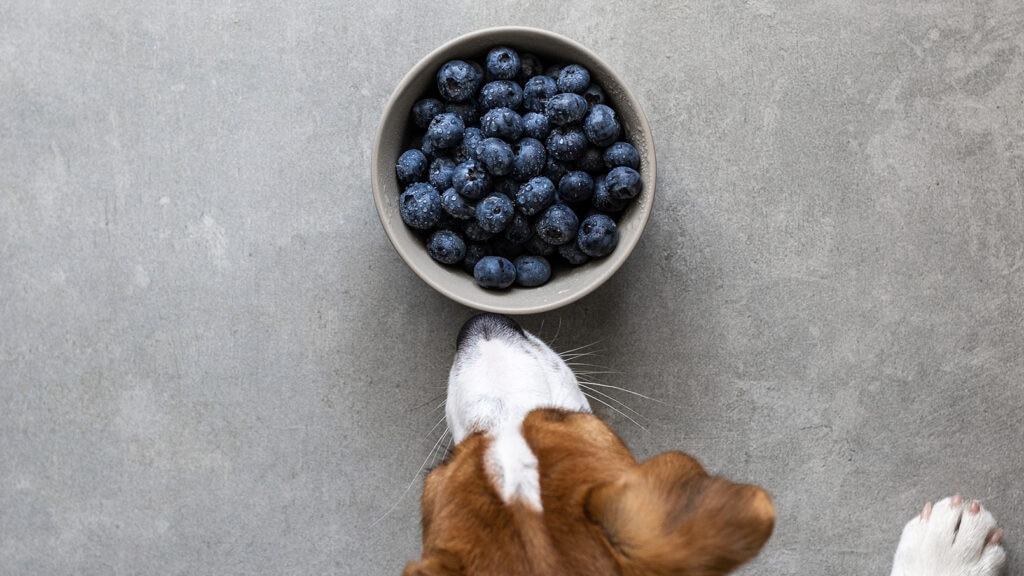
Cavan Images/iStock/Getty Images Plus via Getty Images
Most dogs can safely eat blueberries in moderation, and they may even benefit from the fruit’s antioxidants, fiber, vitamins, and minerals.
Learn about the benefits of blueberries for dogs, potential risks, safe serving sizes, and the best ways to feed them.
Key Takeaways
- Blueberries are safe for most dogs when fed in moderation.
- Blueberries contain antioxidants, fiber, vitamins, and minerals that may support overall health.
- Avoid canned, sweetened, flavored, or syrup-packed blueberries.
- Too many blueberries can cause digestive upset or contribute to excess calorie intake.
- Always consult your veterinarian before introducing new foods into your dog's diet.
Can Dogs Eat Blueberries?
Yes, most dogs can safely eat blueberries when served plain and in moderation.
Fresh and frozen blueberries are generally the best options because they do not contain added sugars or artificial ingredients.
Wild blueberries are also safe for dogs, but pet parents should avoid allowing dogs to consume large quantities and should be certain the berries are correctly identified.
Avoid canned blueberries, blueberry pie filling, and blueberries packed in syrup because they may contain excessive sugar or ingredients that can be harmful to dogs.
Benefits of Blueberries for Dogs
Yes, blueberries are good for dogs because they provide antioxidants, fiber, vitamins, and minerals that may support overall health.
In addition to being a safe fruit for most dogs, blueberries offer several nutritional benefits:
High in Antioxidants
Blueberries are rich in antioxidants and plant compounds called phytochemicals.
These compounds help protect cells from damage and may support long-term health by combating oxidative stress associated with aging and disease.
Low in Calories and High in Fiber
Blueberries are naturally low in calories and contain beneficial fiber.
Their fiber content can support digestive health, while their low-calorie profile makes them a smart treat option for dogs that need weight management support.
Their small size also makes portion control easy.
May Support Healthy Aging
Research suggests blueberries may help reduce cellular damage, support vision health, and promote cognitive function in senior pets.
These potential benefits are largely linked to their antioxidant content.
Rich in Vitamins and Minerals
Blueberries contain several important nutrients, including:
- Vitamin C
- Vitamin A
- Vitamin K
- Calcium
- Phosphorus
- Potassium
- Magnesium
These nutrients contribute to immune system function, bone health, cellular health, and overall wellness.
Potential Risks of Blueberries for Dogs
While blueberries are safe for most dogs, there are a few potential risks pet parents should be aware of before feeding them regularly.
High Sugar Content for Some Dogs
Although blueberries contain natural sugars, they may not be appropriate for every dog.
Dogs with diabetes, certain food sensitivities, or medical conditions that require prescription diets should generally avoid high-sugar fruits unless approved by a veterinarian.
Choking Hazard
Because blueberries are small and round, they can present a choking risk for some dogs, particularly small breeds or dogs that tend to gulp treats without chewing.
Cutting or mashing blueberries can help reduce this risk.
Digestive Upset
Feeding too many blueberries at once may lead to gastrointestinal upset, including stomach discomfort, gas, or diarrhea.
As with any treat, moderation is important to help prevent digestive issues and unnecessary calorie intake.
How Many Blueberries Can Dogs Eat?
Dogs can eat blueberries in moderation, but they should only make up a small portion of your dog’s daily calorie intake.
Although blueberries are considered a healthy treat, treats of any kind should account for no more than 10% of your dog’s total daily calories. The remaining 90% should come from a complete and balanced dog food diet.
The appropriate serving size depends on factors such as your dog’s size, age, activity level, and overall health.
Before adding blueberries or any new food to your dog’s diet, consult your veterinarian. They can help determine a safe portion size based on your dog’s individual needs and any underlying medical conditions.
Use the following general feeding guidelines as a starting point, but always follow your veterinarian’s recommendations when available.
| Dog Size | Serving Size | Frequency |
|---|---|---|
| Extra-small dogs (2–10 pounds) | 1–2 blueberries | Daily |
| Small dogs (11–20 pounds) | 2–3 blueberries | Daily |
| Medium dogs (21–50 pounds) | 3–5 blueberries | Daily |
| Large dogs (51–90 pounds) | 5–6 blueberries | Daily |
| Extra-large dogs (91+ pounds) | 6–10 blueberries | Daily |
How To Feed Blueberries to Dogs Safely
The safest way to feed blueberries to dogs is to serve them plain, washed, and in appropriately sized portions.
Preparing Blueberries for Dogs
Before offering blueberries to your dog:
- Avoid canned, sweetened, or syrup-packed blueberries, which often contain excessive sugar and may cause digestive upset.
- Wash blueberries thoroughly under cool running water to remove dirt, pesticides, and residue.
- Remove any stems before serving, especially for small dogs.
- Cut or mash blueberries for small dogs or dogs that tend to eat quickly to help reduce choking risk.
Ways To Serve Blueberries to Dogs
Once the blueberries are prepared, you can offer them in several dog-friendly ways:
- Fresh: Serve plain fresh blueberries as a simple, healthy treat.
- Frozen: Frozen blueberries can make a refreshing snack during warm weather.
- Mashed: Mash blueberries and mix a small amount into your dog’s regular food.
- Dried: Homemade dried blueberries can be used as occasional treats. Because dehydration concentrates the natural sugars, feed smaller portions than you would fresh blueberries.
- Puréed: Blend blueberries with dog-safe fruits such as bananas or strawberries and mix with plain, sugar-free, xylitol-free yogurt or dog-safe peanut butter. The mixture can be frozen in ice cube trays, spread on a lick mat, or added to a stuffed toy for enrichment.
- In a dog-friendly cake: Blueberries can also be incorporated into homemade dog-friendly birthday cakes or Gotcha Day treats for special occasions.
What Other Fruits Can Dogs Eat?
Blueberries are not the only fruit dogs can safely enjoy—many other fruits can also be healthy treats when fed in moderation.
Other dog-safe fruits include:
As with blueberries, all fruits should be served in moderation and prepared safely for your dog. Always remove any pits, seeds, rinds, or inedible portions before feeding fruit to your pet.
Can Dogs Eat Blueberries FAQs
Can dogs eat blueberry muffins?
No, blueberry muffins are not recommended because they often contain added sugar, fats, and ingredients that may be toxic to dogs.
Can dogs eat frozen blueberries?
Yes, frozen blueberries are safe for most dogs and can be a refreshing treat during warm weather.
Can dogs eat blueberry yogurt?
Most blueberry yogurts are not recommended because they often contain added sugars or artificial sweeteners such as xylitol, which is toxic to dogs.
Can dogs eat dried blueberries?
Dogs can eat dried blueberries if they do not contain added sugar, preservatives, or other ingredients that may be harmful.
Can my dog eat blueberries every day?
Yes, your dog can eat blueberries every day but be mindful of portions. Small dogs should have no more than two blueberries daily, while large dogs can have up to 10.
Can dogs eat blueberries every day?
Yes, many dogs can eat blueberries daily in small amounts as part of a balanced diet, provided portion sizes remain appropriate.
Can puppies eat blueberries?
Yes, puppies can safely eat blueberries in moderation as long as the berries are prepared appropriately and fed in age-appropriate portions.


