Intestinal Tumors in Dogs: Types, Causes, and How They’re Diagnosed


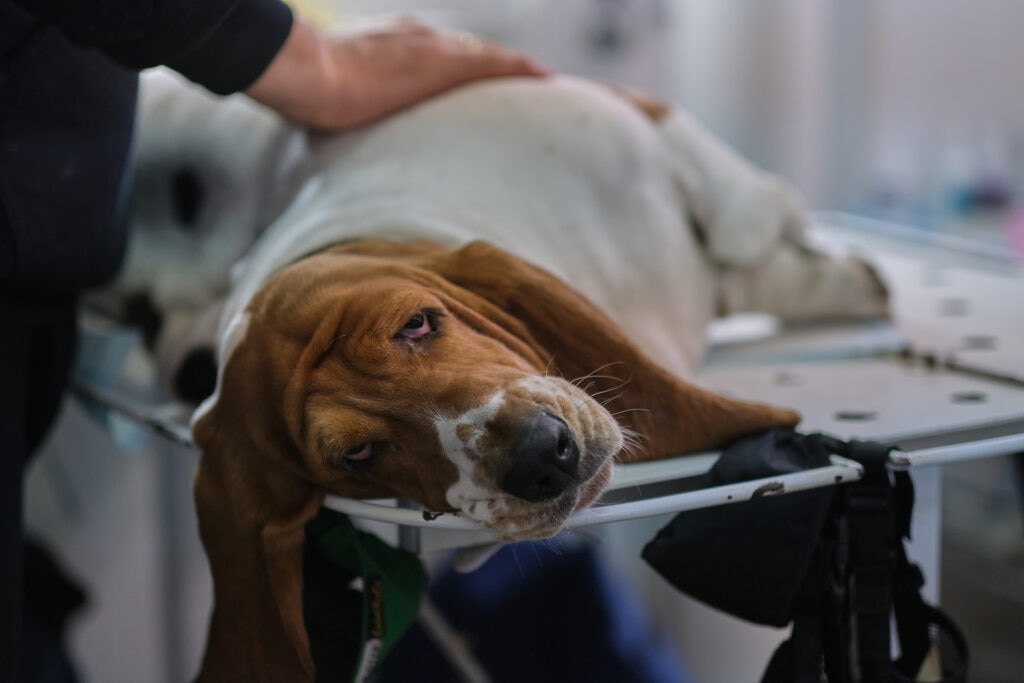
yavdat/iStock/Getty Images Plus via Getty Images
An intestinal tumor in dogs is an abnormal growth of cells that form a lump. These tumors can be cancerous or non-cancerous and occur anywhere in the small or large intestines.
Fortunately these tumors are rare in dogs, but pet parents should be aware of what to watch for.
In this article, you will learn the most common types of intestinal tumors, including possible symptoms, diagnosis, treatment, and outlook for recovery.
Key Takeaways
- Intestinal tumors form in the small or large intestines when cells undergo abnormal changes and multiply uncontrollably.
- Common signs include weight loss, decreased appetite, vomiting, diarrhea, and lethargy.
- Diagnosis is made using a physical exam, history, and diagnostic testing, such as imaging or endoscopy.
- Treatment focuses on removing the intestinal tumor when possible or giving chemotherapy or radiation to shrink the tumor.
What Are Intestinal Tumors in Dogs?
Intestinal tumors in dogs are lumps that grow in the small or large intestines when abnormal cells multiply uncontrollably. They can become large and spread to other parts of the body, causing further damage.
Intestinal tumors can be cancerous or non-cancerous and result in symptoms such as weight loss, vomiting, and decreased appetite in affected dogs.
While intestinal tumors themselves are not a medical emergency, the symptoms they cause may need quick veterinary treatment.
For example, if a dog is losing weight and not eating, a pet parent should schedule a veterinary visit as soon as possible, preferably a same-day appointment, to find the underlying cause.
If a dog is vomiting or pooping blood, they should be brought to a veterinarian immediately.
Types of Intestinal Tumors in Dogs
There are several types of intestinal tumors in dogs, but the four most common are:
- Lymphoma
- Adenocarcinoma
- Leiomyosarcoma
- Gastrointestinal stromal tumor
Less commonly, dogs may be diagnosed with intestinal tumors such as carcinoids, adenomas, plasmacytomas, and fibrosarcomas.
Symptoms of Intestinal Tumors in Dogs
Symptoms of intestinal tumors may include any of the following:
- Decreased appetite
- Vomiting (may contain blood)
- Diarrhea (may contain blood)
- Lethargy
- Weight loss
- Abdominal pain
Causes of Intestinal Tumors in Dogs
The exact cause of intestinal tumors in dogs is not known, but there are likely multiple factors that result in cells undergoing changes and multiplying uncontrollably to form a tumor.
These factors may include:
- Age
- Breed predisposition
- Genetics
Dogs who are middle-aged and older are at higher risk for getting an intestinal tumor.
Some breeds—such as German Shepherds, Boxers, and Poodles—are also predisposed, likely through genetics.
How Veterinarians Diagnose Intestinal Tumors in Dogs
Veterinarians diagnose intestinal tumors in dogs using a physical exam, history, and diagnostic testing.
Let your vet know what symptoms your dog has and when the symptoms started, as well as any medications your pet is currently taking.
Your vet will do a head-to-toe exam to find obvious abnormalities, such as a lump in your dog’s belly they can feel.
Diagnostic testing to confirm a diagnosis of intestinal tumors may include:
- Blood work: A small sample of blood can be used to look at your dog’s blood cell counts (CBC), organ function, and electrolyte status. While this test can’t diagnose intestinal tumors on its own, it can give the vet a good picture of your dog’s overall health.
- Imaging: An abdominal ultrasound and X-rays may be used to look inside your dog’s belly to find areas of inflammation (swelling), foreign objects, and tumors.
- Endoscopy: A small tube can be put inside the mouth or rectum to closely visualize the intestines for abnormal areas. Samples of the intestines can be taken and sent to a lab for an accurate diagnosis.
- Exploratory surgery: A dog is anesthetized and a small incision (cut) is made in the belly to look directly at the intestines. Samples (a biopsy) can be taken and sent to a lab for an accurate diagnosis.
Treatment of Intestinal Tumors in Dogs
Treatment focuses on removing or shrinking the intestinal tumor and may include:
- Surgery: A dog is anesthetized and an incision is made through the belly into the intestines to remove the tumor. This is the preferred option for a tumor that has not spread elsewhere in the body.
- Chemotherapy: Medications can be given by mouth or through a vein to target the tumor and reduce its size. This is the preferred treatment option for tumors that have spread to other areas of the body or the lymph nodes.
- Radiation therapy: In some cases, radiation may be given to eliminate the tumor cells.
- Corticosteroids: Medications such as prednisolone can shrink the tumor and reduce inflammation.
If a dog has just one intestinal tumor that is not cancerous or a cancerous lump that has not yet spread to other parts of the body, surgery generally cures the condition if the entire lump is removed.
However, intestinal tumors that have spread to other parts of the body carry a poor prognosis. The outlook varies depending on the type of intestinal tumor.
For example, dogs with adenocarcinoma of the small intestine have a one-year survival rate of 40 to 60%. However, with less aggressive tumors, some dogs can live up to four years following diagnosis.
Recovery and Management of Intestinal Tumors in Dogs
Dogs typically recover from surgery within 10 to 14 days.
During this time, they will need to have exercise limits to include no running, jumping, or playing to avoid opening the incision. Your dog will need to wear a recovery cone, like the KVP International Recovery Collar, to keep them from licking their incision.
Always follow your veterinarian’s instructions closely for any at-home prescribed medications and keep all follow-up appointment to support your dog’s recovery.
Prevention of Intestinal Tumors in Dogs
Because the exact cause for this condition is unknown, it’s difficult to know how to prevent it.
However, pet parents can take the following steps to support their dog’s overall health:
- Ensure your dog gets regular veterinary care and stays up to date on vaccinations and parasite prevention.
- Feed a high-quality, nutritious diet to keep your dog’s digestive system healthy.
- Make your vet aware of any health concerns or symptoms quickly so they can be treated early.
Intestinal Tumors in Dogs FAQs
How long can a dog live with a tumor in the intestines?
The lifespan of a dog with an intestinal tumor varies depending on the type of tumor and whether it has spread to other parts of the body.
In general, dogs with tumors that have spread have just weeks to months to live.
When should you euthanize a dog with a tumor?
Deciding to humanely euthanize a dog with an intestinal tumor is a highly personal decision that should be made in consultation with your veterinarian.
A vet can tell you about treatment options and discuss quality of life to make sure your dog’s well-being is the top priority.
What is the survival rate for a dog with a stomach tumor?
Dogs with stomach tumors typically have a poor outlook. In general, the survival time is six months or less.


