Canine Parainfluenza: Symptoms, Causes, and Treatment



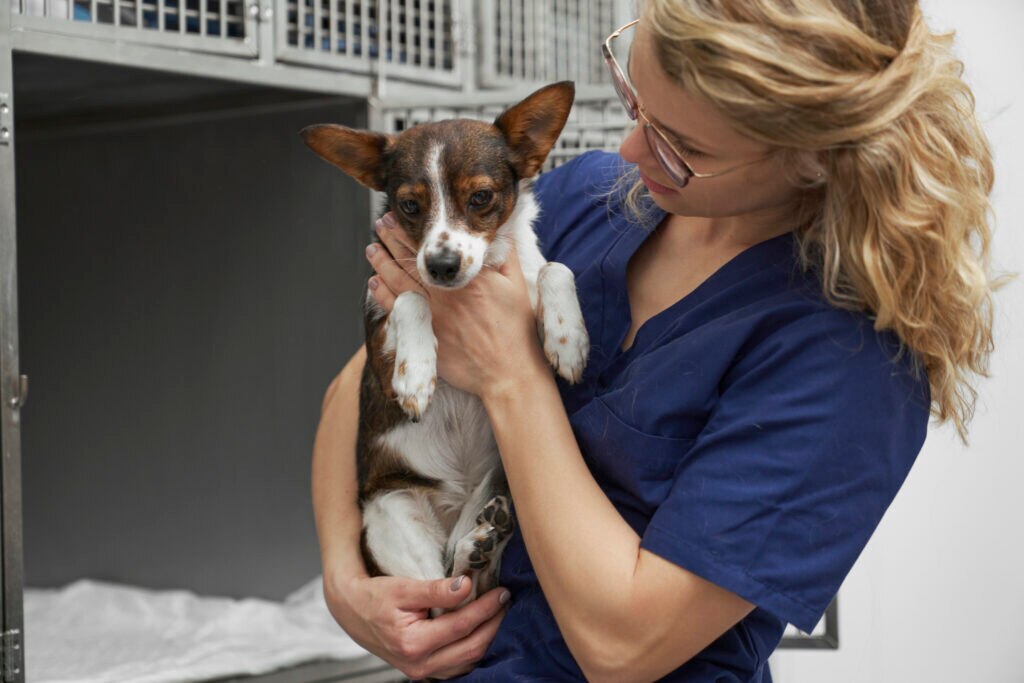
gpointstudio/Stock/Getty Images Plus via Getty Images
If your dog develops a cough or other signs of a respiratory infection after spending time around other dogs, they may have canine parainfluenza.
This infection is one of many bacterial and viral infections that can contribute to canine infectious respiratory disease (CIRD), also known as kennel cough in dogs. Kennel cough is not caused by one virus or bacteria but is an umbrella term used to describe many infectious respiratory infections in dogs.
Key Takeaways
- Canine parainfluenza is a highly contagious virus that causes respiratory symptoms in dogs, including a dry cough, nasal discharge, and lethargy. It spreads easily through respiratory secretions and contaminated surfaces.
- Most dogs recover from parainfluenza with supportive care, though some may need medications like cough suppressants or antibiotics for secondary infections. Recovery typically takes 10–14 days.
- Vaccination and minimizing exposure to high-risk environments—like dog parks and kennels—can help prevent infection. While the vaccine doesn’t guarantee immunity, it significantly reduces symptom severity.
Summary
Canine parainfluenza is a viral infection that occurs in dogs.
It’s contagious and readily spreads between dogs through respiratory secretions. The virus attaches to cells that line the airways, leading to decreased function and less ability to fight off other infections.
While canine parainfluenza is contagious, it doesn’t typically cause serious disease. About half of dogs who are infected can clear the virus without developing any symptoms. The other half develop flu-like respiratory symptoms.
Canine parainfluenza infection is generally not considered an emergency. Rarely, a dog will develop secondary bacterial pneumonia that requires urgent care.
If your dog becomes weak, won’t eat, or is struggling to breathe, seek emergency care right away.
Symptoms
Symptoms of a canine parainfluenza infection include:
-
Low-grade fever
-
Decreased energy (lethargy)
Causes
Canine parainfluenza is caused by a virus that is readily spread through respiratory secretions. If a dog with canine parainfluenza coughs or sneezes, other dogs nearby can breathe in the virus. It can also be spread through contaminated surfaces, such as kennels and bowls. People can also spread the virus if it gets on their clothing, shoes, or skin.
Affected dogs shed the parainfluenza virus for around two weeks. The virus is most common in places where dogs are housed near one another, such as at boarding facilities, grooming businesses, and shelters. Visiting dog parks or traveling to dog shows can also increase your dog's risk of contracting the infection.
Diagnosis
If your dog has signs of canine parainfluenza, your vet will start by performing a thorough exam, which will include looking for signs of nasal discharge, taking their temperature, and listening to their heart and lungs with a stethoscope.
Your vet may also recommend additional diagnostics, such as:
-
X-rays. Chest X-rays may be taken to screen for pneumonia. While canine parainfluenza does not cause pneumonia itself, the virus weakens the immune function of the respiratory system, allowing other infections to develop.
-
Nasal swab for lab testing. Your vet may recommend swabbing your dog’s nasal passages to collect secretions that can be sent for lab testing. A culture can be performed to identify bacteria that may be causing an infection, while polymerase chain reaction (PCR) testing can screen for viruses.
-
Blood work. Specific lab tests may be recommended to rule out another disease.
-
Heartworm testing. Since heartworm disease can cause coughing, your vet may recommend heartworm testing to rule out this possibility.
-
Fecal testing. A fecal float may be recommended to rule out internal parasites that can cause respiratory signs.
It can also be helpful to take a video of your dog coughing, so your vet can hear the cough.
If your pup gets nervous during vet visits, consider withholding food and water the morning of the appointment in case sedation is needed to keep them calm for any recommended testing.
Treatment
Treatment for canine parainfluenza usually focuses on supportive care.
Fortunately, most dogs recover from the infection uneventfully. Supporting your dog by ensuring they are comfortable and that they continue eating and drinking can help their immune system fight the virus.
Additionally, the following medications may be given to your pup:
-
Anti-inflammatory medications. This includes carprofen, which may be prescribed if your dog has a fever.
-
Antitussive cough medications. Cough tablets, like Creative Science Cough Tablets for Dogs and Cats, may be recommended to relieve coughing and help you and your pet sleep at night.
-
Antibiotics. If your pup has developed secondary bacterial pneumonia, your vet may prescribe Clavamox or doxycycline to help fight the infection.
Recovery and Management
Recovery from canine parainfluenza usually takes 10 to 14 days. It’s important to keep your pet away from other dogs for at least two weeks after they stop coughing, to avoid spreading the virus.
When you take a shower, consider bringing your dog into the bathroom with you so they can benefit from the steam, as coughing can dry out their airways.
Some dogs may benefit from probiotics to help support their immune system while they fight the virus.
Prevention
Vaccination is important for preventing canine parainfluenza.
The core canine vaccine (DHPP), which protects against distemper, adenovirus/hepatitis, parvovirus, and parainfluenza, helps dogs develop protection to fight off the virus.
While vaccination does not eliminate a dog’s risk of contracting canine parainfluenza, it can lessen the symptoms if they develop an infection. However, most vaccinated dogs won’t develop any symptoms if they are exposed to the parainfluenza virus.
You can also reduce your pup’s risk of contracting canine parainfluenza by avoiding places where dogs congregate, such as dog parks and puppy play-and-stays. Using in-home boarding and grooming services can also help keep your dog from being exposed to the virus.
Canine Parainfluenza FAQs
Is canine parainfluenza the same as kennel cough?
Parainfluenza virus is one of many infectious agents that can cause kennel cough. Dogs that have canine parainfluenza are often said to have kennel cough.
What is the prognosis for dogs with parainfluenza?
The prognosis for dogs with parainfluenza virus is excellent. Most dogs recover uneventfully, only occasionally needing medication for supportive care.
Is canine parainfluenza contagious to humans?
No, people cannot contract canine parainfluenza.
What is the parainfluenza virus in dogs?
The parainfluenza virus causes a contagious respiratory infection in dogs that typically leads to mild respiratory symptoms. The virus is one of a group of pathogens that can cause canine infectious respiratory disease (CIRD), or “kennel cough.”