Parvo in Dogs: Symptoms, Treatment, and Prevention


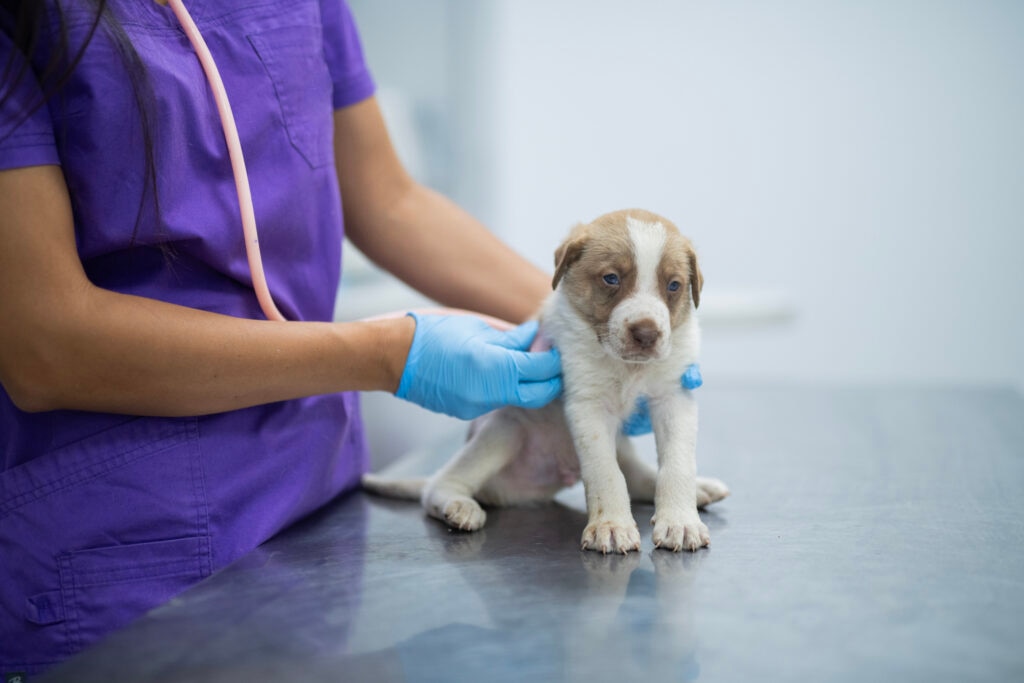
ArtistGNDphotography/E+ via Getty Images
Parvo in dogs is a highly contagious viral disease that can become life-threatening without prompt veterinary treatment.
It most commonly affects puppies and unvaccinated dogs, causing severe vomiting, diarrhea, dehydration, and weakness, but early diagnosis and supportive care can greatly improve survival.
Learn the signs of parvo in dogs, how the virus spreads, treatment options, and the best ways to protect your dog through vaccination and prevention.
Key Takeaways
- Parvo in dogs is a highly contagious viral disease that most commonly affects puppies and unvaccinated dogs, causing severe vomiting, diarrhea, dehydration, and potentially life-threatening illness.
- Early treatment is critical. There is no cure for canine parvovirus, but prompt veterinary care with supportive treatment greatly improves a dog's chance of survival.
- Parvovirus spreads through contaminated feces and environments. The virus can survive for months on surfaces and in soil, making vaccination and proper disinfection essential for prevention.
- Vaccination is the best protection against parvo. Puppies should receive a complete vaccine series beginning around 6 weeks of age, followed by booster vaccines as recommended by their veterinarian.
What Is Parvo in Dogs and Puppies?
Parvo in dogs—also called canine parvovirus—is a highly contagious viral disease that primarily affects puppies and unvaccinated dogs.
The virus attacks rapidly dividing cells, especially those in the intestinal tract and bone marrow, causing severe gastrointestinal illness and weakening the immune system.
Because parvovirus in dogs damages the intestines and reduces the body's ability to fight infection, affected dogs can quickly become dehydrated and seriously ill without prompt veterinary treatment.
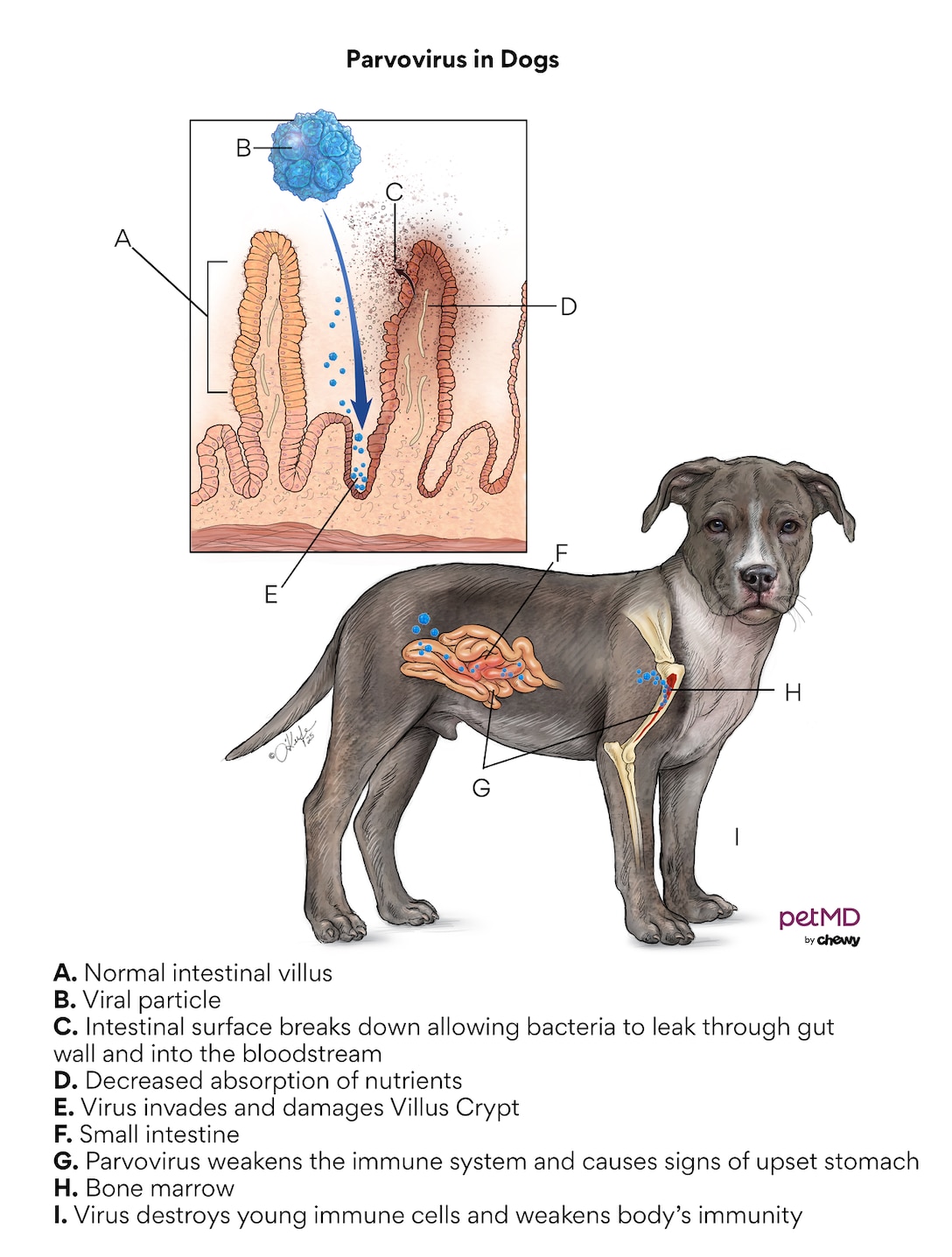
Click here to download this medical illustration.
Heart muscle cells of very young puppies can also be damaged by parvovirus.
Can Adult Dogs Get Parvo?
Although parvovirus is most common in puppies and adolescent dogs, it can also affect adult or senior dogs, especially if they are unvaccinated.
What Are the Symptoms of Parvo in Dogs and Puppies?
Parvo symptoms in dogs typically appear three to seven days after infection.
Early signs often include lethargy, loss of appetite, and fever.
As canine parvovirus attacks the digestive tract and immune system, symptoms quickly become more severe and require immediate veterinary care.
Early Parvo Symptoms in Dogs
The first signs of parvovirus may include:
Advanced Parvo Symptoms
As the disease progresses, dogs commonly develop:
- Vomiting
- Diarrhea, which may become severe or bloody
- Abdominal pain
- Dehydration
- Weakness
Severe Parvo Symptoms in Puppies
Parvo symptoms in puppies can become life-threatening very quickly. In severe cases, puppies may:
- Collapse
- Have a high heart rate
- Have difficulty breathing
- Have low white blood cell (WBC) counts (discovered during blood work)
- Become hypothermic
- Become hypoglycemic
- Contact your veterinarian immediately if your dog or puppy develops vomiting, diarrhea, extreme lethargy, or other signs of parvovirus.
Early treatment significantly improves the chances of survival.
How Do Dogs and Puppies Get Parvo?
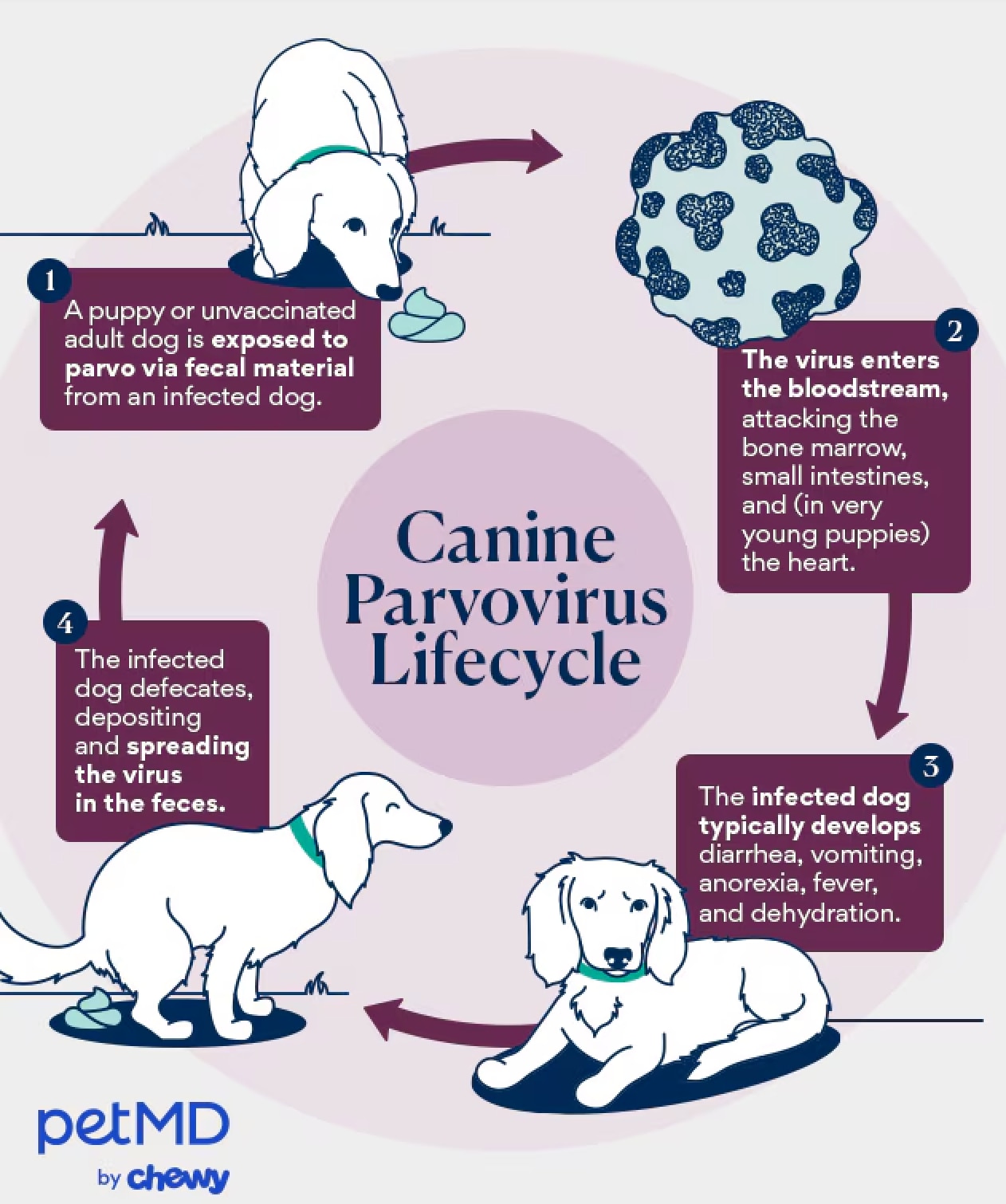
Dogs and puppies get parvo by encountering canine parvovirus in infected feces or contaminated environments.
They don't need direct contact with visible feces to become infected because the virus can survive on surfaces for months.
Parvovirus can be found on:
- Soil and grass
- Kennels and dog runs
- Food and water bowls
- Toys, leashes, and other objects
- People's hands, shoes, and clothing
- A dog's fur or paws after walking through a contaminated area
Parvo in dogs is highly contagious, making it easy for the virus to spread anywhere infected dogs have been. Puppies and unvaccinated dogs are at the greatest risk of becoming infected.
Can Humans Get Parvo?
No, humans cannot get parvo from dogs.
Canine parvovirus is species-specific, meaning it only infects dogs.
Humans can get a different type of parvovirus, but they cannot catch canine parvovirus from an infected dog, and dogs cannot get the human form of the virus.
Although people can't get parvo in dogs, they can unknowingly spread the virus to other dogs on their hands, clothing, shoes, or equipment.
If you handle a puppy with parvo, wear appropriate personal protective equipment (PPE) when needed, wash your hands thoroughly, and change or disinfect contaminated clothing and footwear before interacting with other dogs.
How Is Parvovirus Diagnosed in Dogs and Puppies? Are There Parvo Tests?
Yes. There are parvo tests for dogs.
Veterinarians commonly diagnose parvo in dogs and puppies with a fecal SNAP ELISA test (parvo SNAP test).
This in-clinic test uses a fecal swab to detect canine parvovirus antigen and typically provides results in about 10 minutes.
A positive result strongly supports a diagnosis of canine parvovirus.
However, a negative parvo test does not always rule out parvo, especially if a dog has symptoms such as vomiting, diarrhea, and lethargy.
In some cases, infected dogs may not be shedding enough viral antigen at the time of testing to produce a positive result.
If parvovirus is still strongly suspected despite a negative SNAP test, your veterinarian may recommend additional testing or repeat the test while considering your dog's clinical signs and vaccination history.
What Are the Stages of Parvo in Dogs and Puppies?
Parvo in dogs progresses through three stages: infection, incubation, and illness.
After a dog is exposed to canine parvovirus, the virus multiplies in the body before symptoms develop.
Once illness begins, puppies and unvaccinated dogs can become critically ill within a short period.
- Stage 1: Infection. Infection begins when a dog is exposed to canine parvovirus.
- Stage 2: Incubation. The incubation period for parvo is usually 3–7 days. During this time, a dog is infected but has not yet developed symptoms.
- As the virus multiplies, it first attacks rapidly dividing cells in the tonsils and lymph nodes before entering the bloodstream. From there, it spreads to other rapidly dividing cells throughout the body, especially the bone marrow and cells lining the small intestine.
- In very young puppies, canine parvovirus can also infect the heart muscle, potentially causing myocarditis, poor heart function, and abnormal heart rhythms (arrhythmias).
- Stage 3: Illness. Once symptoms begin, parvo can progress rapidly and requires immediate veterinary care.
Treatment of Parvo in Dogs and Puppies
There is no specific cure for parvovirus in dogs and puppies, so treatment revolves around supporting a pup so their body can fight it off.
Fortunately, with prompt and aggressive medical intervention and care, most (85–95%) puppies will survive parvovirus.
Supportive care for parvo generally includes:
- Hospitalization with intravenous (IV) fluids
- Antiemetics to stop vomiting
- Focusing on nutrition, with a feeding tube, if necessary
- Correction of any electrolyte imbalances or low blood glucose
- Some vets may also recommend treatment with a canine parvo monoclonal antibody (CPMA)
Puppies exhibiting signs of sepsis require antibiotic therapy. Puppies with a high fever or low white blood cell count may also receive antibiotics.
How Much Does Parvo Treatment Cost for Dogs and Puppies?
The cost of treatment for parvovirus in dogs and puppies varies based on the severity of the illness, length of the hospital stays, and location of the veterinary clinic.
Costs could start around several hundred dollars for outpatient treatment and go up to several thousand dollars for a severe case with hospitalization.
On average, expect treatment to cost around $1,000 to $8,000.
It’s much more cost-effective to have your dog fully vaccinated than to have them contract parvovirus.
A parvo vaccine typically costs $30–$50.
Recovery and Management of Parvo in Dogs and Puppies
Recovery from parvovirus in dogs and puppies varies.
Full recovery may take time depending on the severity of the disease and the damage that’s occurred.
Dogs that can recover from infection are often sick for five to 10 days after symptoms begin.
It’s important that puppies with parvovirus receive adequate nutrition so their intestines can heal.
Dogs recovering from a parvo infection should be fed a bland, easily digestible diet.
Hill’s Prescription Diet, Purina, and Royal Canin all make veterinary diets that are carefully formulated to be nutritionally balanced and gentle on the gastrointestinal tract.
Hospital stays for parvo in dogs generally last around five to seven days, but this varies depending on the severity of symptoms.
The highest risk of death occurs around 24–72 hours after symptoms of parvo in dogs.
If a parvo puppy is hospitalized, given lots of supportive care, and monitored closely, the survival rate is usually around 85–95%.
Survival is more difficult if the dog is not given veterinary attention quickly after showing clinical signs or if the dog is not hospitalized with sufficient supportive care.
Prevention of Parvo in Dogs and Puppies
Things you can do to help prevent parvo in dogs include:
- Wiping your dog’s paws off when coming in from outside
- Keep your dog away from feces
- Limiting/preventing access to dog parks, wooded areas, grooming salons, pet stores, or other heavily frequented locations
- Allowing socialization with other, properly vaccinated dogs
- Keep unvaccinated puppies off the ground and away from unknown dogs by using a dog stroller
- Avoid contact with known infected dogs and their environments
- Wipe down shared crates or training equipment with a disinfectant that's proven to kill parvo, like Top Performance 256
Parvo in dogs is a preventable disease.
Starting around six weeks of age, your dog should be vaccinated against parvo and then boostered every three weeks thereafter until around the age of 16 weeks.
As an adult, the parvo vaccine should be administered again at one year and then every three years thereafter.
Proper vaccination provides your pup with the best defense at staying healthy.
Parvo in Dogs FAQs
What are the first signs of parvo in dogs?
The first signs of parvo in dogs are often lethargy, loss of appetite, and fever.
Other symptoms like vomiting and diarrhea often occur secondary to these general feelings of illness.
Can a dog survive parvo?
Yes, a dog can survive parvo provided the infection is diagnosed early and prompt medical treatment is provided by their veterinarian.
With aggressive supportive care, survival rates can exceed 90%.
Can a vaccinated dog get parvo?
Yes, vaccinated dogs can still get parvo. However, the risk is significantly lower in dogs that are fully vaccinated.
Breakthrough infections are uncommon but can occur in:
- Puppies that have not completed their vaccine series
- Dogs with weakened immune systems
- Dogs that fail to develop adequate immunity from the vaccine
Can humans get parvo from dogs?
No, humans can’t get parvo from dogs.
Parvovirus is a species-specific infection, meaning it only affects the canine species.


