Cat Shaking Head? Common Causes and When To Call Your Vet


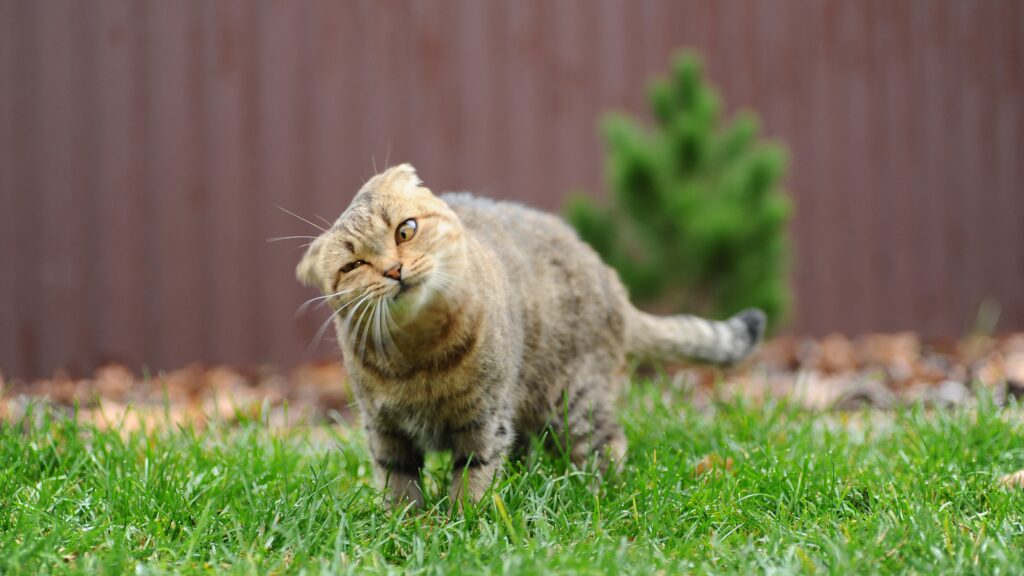
VladK213/iStock/Getty Images Plus via Getty Images
If your cat’s head is suddenly twitching or they’re flicking their ears frequently, you may wonder, “Why is my cat shaking?”
While there are many reasons why a cat shakes their head, treatment is often needed to clear up the issue.
If your cat is shaking their head, it’s time to see a veterinarian to figure out the underlying cause.
Key Takeaways
- Cats shake their heads due to causes like ear infections, mites, allergies, foreign objects, or neurological issues.
- Frequent head shaking—especially with other symptoms like ear discharge or itching—warrants a veterinary exam to identify the underlying issue.
- Regular vet care, parasite prevention, and routine ear cleaning can help reduce the risk of head shaking in cats.
Why Do Cats Shake Their Heads?
Cats can shake their heads for a variety of reasons, ranging from minor to more serious conditions. Below are some of the most common reasons you may see your cat shake their head.
Ear Infections
Ear infections are not as common in cats as in dogs, but they are still a condition pet parents should be aware of. Infections are caused by bacteria or yeast overgrowing in a cat’s ears. This leads to thick ear discharge, inflammation (swelling) in the ear canals, intense itching, and head shaking.
Ear Polyps
Ear polyps are small, round growths that are found within the cat’s ear. They are very common and usually grow because of chronic inflammation or infections. Because these irritate the cat’s ears, cats have symptoms such as ear discharge, incoordination, and head shaking.
Ear Mites
Ear mites are microscopic parasites that affect the cat’s ears and surrounding fur.
They cause intense itching, head shaking, and ear debris that looks like coffee grounds. They are common in cats and kittens who are allowed outdoors as well as in cats who have frequent contact with other animals, such as those in shelters.
Allergies
Cats can get environmental allergies from exposure to allergens such as dust or pollen.
They can also be affected by food allergies through the ingredients in their diet. Allergens can cause itchiness within the ears, which can lead to a cat shaking their head to ease the discomfort.
Foreign Objects
Cats who accidentally get a foreign object, such as a blade of grass or a piece of toy, inside their ear canal can feel discomfort. To try to dislodge the item, cats may shake their head.
Behavioral Changes
Cats can shake their heads when they are having a range of emotions, ranging from anxiety to fear or even excitement.
This can be on and off or frequent depending on how stimulated the cat is, but typically the cat will have no other concerning symptoms (such as ear discharge) that point to an underlying health concern.
Neurological Conditions
Because nerves run through a cat’s ear canal, damage to the neurological (nervous) system can result in head shaking.
This can happen in kittens with a condition called cerebellar hypoplasia where part of the cat’s brain does not develop normally. Inflammation to the nerves passing through the ear can also result in head shaking.
Health Tools
Get quick answers with our vet-created Symptom Checker
When To Call Your Vet About Cat Head Shaking
If you notice your cat is shaking their head often, especially when other symptoms are present (such as ear discharge or itching), it’s time to see a veterinarian.
Your veterinarian can do a complete physical exam, paying close attention to the cat’s ears and neurological system to figure out the underlying cause so the right treatment can be given.
Head shaking in cats is not generally considered a medical emergency, but it can be one if other concerning symptoms are present.
Symptoms to watch for that indicate emergency veterinary care is needed include vomiting, difficulty breathing, excessive lethargy, or seizures.
How Vets Treat Cat Head Shaking
Feline head shaking is treated according to the underlying cause. Possible treatment options include the following:
-
Topical ear ointment, such as Animax, for ear infections
-
Medicated ear cleansers, such as Virbac Epi-Otic Advanced Ear Cleaner, to clean debris or discharge from ears
-
Ear drops, such as ivermectin, to treat ear mites
-
Antiparasitic medications, such as Revolution Plus, to treat ear mites
-
A veterinary diet, such as Royal Canin Hydrolyzed Protein Diet, for food allergies
-
Antihistamines, such as hydroxyzine, to treat environmental allergies
-
Anti-inflammatories, such as prednisolone, to reduce inflammation
-
Oral antibiotics, such as Clavamox, to treat ear infections
-
Surgery to remove foreign objects and ear polyps
If the shaking is caused by fear or stress, pet parents should consider what may be causing their cat to feel these emotions (such as recent changes in the home) and work to keep a normal, consistent routine for them.
How To Prevent Cat Head Shaking
To reduce the risk for head shaking, you can make sure your cat gets regular veterinary care to find any health concerns early so that treatment can be given.
Keeping cats up-to-date on monthly preventives year-round can protect against parasites that can lead to head shaking.
Cleaning your cat’s ears once weekly to remove any debris is helpful to reduce the risk for infections.
If you know your cat has allergies to something in the home or environment, reduce their exposure as much as possible.
Cat Shaking Head FAQs
What does it mean when a cat’s head shakes?
There are various reasons why a cat’s head may shake, including ear infections, ear mites, food allergies, or neurological issues, to name a few.
Why is my cat shaking their head like a seizure?
It is difficult to know why a cat is shaking their head like they’re having a seizure without a veterinary checkup, but it is most likely due to a neurological condition or a problem within the cat’s ear canal.
Why won’t my cat’s head stop shaking?
If your cat’s head won’t stop twitching, there is likely an underlying medical concern that needs to be treated. It is important to call a veterinarian right away for an appointment to find the underlying cause.


