Triaditis in Cats: Common Symptoms and How Vets Treat It


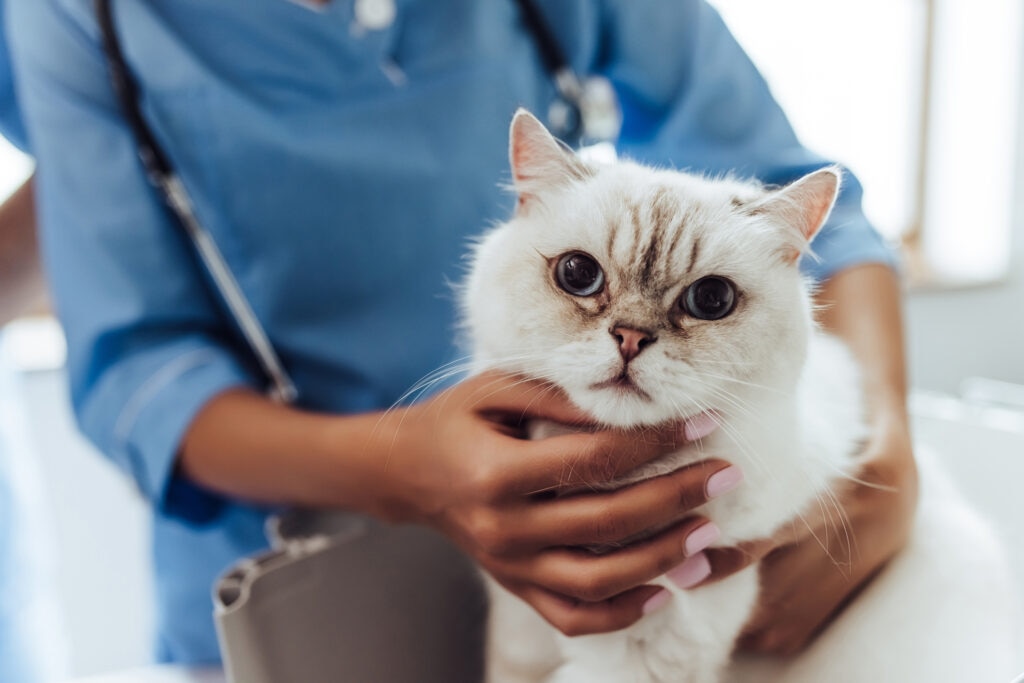
Vasyl Dolmatov/iStock/Getty Images Plus via Getty Images
Triaditis in cats refers to the concurrent inflammation of the pancreas, liver, and small intestine. While this condition can be difficult to diagnose, many cats can go on to live a long, happy life with prompt and appropriate veterinary treatment.
Here’s what you need to know about this condition and how to reduce your cat’s risk.
Key Takeaways
- Triaditis refers to inflammation of the liver, pancreas, and small intestine.
- Cats with triaditis can experience many symptoms, including a reduced appetite, weight loss, vomiting, and lethargy.
- Veterinarians diagnose triaditis using a thorough history, a comprehensive physical exam, and diagnostic testing.
- Triaditis treatment consists of fluid therapy, oral or injectable medications, and dietary changes.
What Is Triaditis in Cats?
Feline triaditis is inflammation of a cat’s small intestine, pancreas, and liver. When these organs are inflamed at the same time, a cat is affected by the following diseases:
-
Inflammatory bowel disease (IBD): When a cat’s gastrointestinal tract becomes chronically irritated due to dietary ingredients or bacteria, for example, the intestinal wall becomes inflamed and thickened. This leads to symptoms such as vomiting and diarrhea.
-
Pancreatitis: The pancreas releases enzymes that help with digestion. When it becomes inflamed, cats can experience abdominal pain and digestive issues.
-
Hepatitis/Cholangiohepatitis: This refers to inflammation of a cat’s liver (hepatitis) or liver and bile ducts (cholangiohepatitis), most commonly due to bacteria or immune system imbalance. Affected cats often lose weight and may have yellow discoloration of their skin, eyes, and gums.
Triaditis in cats is not always a medical emergency, especially if your cat is experiencing only mild symptoms.
However, if your cat is severely ill or hasn’t eaten in 24 hours, you should visit an emergency veterinarian. Cats who don’t eat for 24 hours or longer are at risk for a condition called hepatic lipidosis, which is life-threatening.
Causes of Triaditis in Cats
The exact cause of triaditis in cats is unknown; however, a cat’s anatomy is thought to play a significant role.
A cat’s bile duct and pancreatic duct merge before entering the small intestine. This allows inflammation from any of these structures to spread to the others. Intestinal bacteria can also easily travel to the liver or pancreas through these ducts, and vice versa. There may also be an autoimmune component to this disease, with a cat’s immune system attacking all three organs at the same time.
Because all cats share the same anatomy, triaditis can affect cats of any age, sex, or breed; however, middle-aged to older cats are more likely to be affected by any of the three underlying diseases, which may increase their overall risk of triaditis.
Purebred cats, such as Siamese, have an increased risk of developing IBD and pancreatitis, which may make triaditis more likely.
Diets that contribute to chronic intestinal inflammation, such as those containing high levels of carbohydrates or allergens, also increase a cat’s risk.
How Veterinarians Diagnose Triaditis in Cats
To diagnose triaditis in cats, veterinarians use a combination of a thorough history, a comprehensive physical exam, and diagnostic testing.
At the appointment, let your veterinarian know when symptoms began and if there have been any recent changes to your cat’s diet.
The veterinarian will first examine your cat to check for belly pain, signs of dehydration (like dry gums), and abdominal swelling. To help with diagnosis, testing may include:
-
Blood work: A blood sample can show abnormalities in blood cell counts or organ function that could indicate underlying illnesses. Specialized blood tests can also be sent to a lab to diagnose pancreatitis.
-
Urinalysis: A urine sample collected from the litter box or directly from your cat’s bladder by using a small needle can be analyzed to identify an infection and check for kidney disease.
-
Imaging (X-rays): and ultrasound of the abdomen can show areas of inflammation, organ enlargement, and thickening of the intestinal wall.
-
Fecal exam: A small sample of your cat’s stool will be checked under the microscope to rule out intestinal parasites that may cause similar symptoms, including diarrhea and vomiting.
-
Surgical biopsy: Your cat may be placed under general anesthesia so that samples of the affected organs can be collected and sent to a pathologist for review. This is the only method that can definitively diagnose triaditis, but it may not be appropriate for cats who are severely ill.
Treatment of Triaditis in Cats
Treatment of triaditis in cats focuses on managing all three diseases and reducing inflammation. Potential treatments include:
-
Antacids, such as famotidine, to reduce nausea and vomiting
-
Antiemetic medications, such as maropitant, to reduce vomiting
-
Pain medications, such as buprenorphine, to reduce discomfort
-
Anti-inflammatories, such as prednisolone, to reduce inflammation
-
Antibiotics, such as Clavamox, to treat bacterial infections
-
Liver supplements, such as ursodiol or SAM-e, to support liver health
-
Immunosuppressive medications, such as chlorambucil, to reduce inflammation
-
Appetite stimulants, such as mirtazapine, to promote hunger
-
A bland diet, such as Royal Canin Gastrointestinal Diet, to support gut healing
-
Fluid therapy to support hydration and blood pressure
-
Vitamin B12 to counteract deficiencies from malabsorption
Cats who are severely ill will require hospitalization and supportive care, including intravenous fluids, frequent monitoring, and nutritional support.
Recovery and Management of Triaditis in Cats
At-home care for triaditis in cats typically involves giving oral medications, such as ondansetron, and a bland diet to reduce nausea and improve appetite.
Always follow your veterinarian’s instructions for giving medications carefully, and be sure to keep all follow-up visits to support your cat’s recovery.
Cats with mild symptoms generally recover fully with treatment. This can take anywhere from a few days to a few weeks. You’ll notice your cat regaining their appetite and seeming less tired once medications take effect.
Cats with severe illness, however, may develop chronic disease and have recurring intermittent symptoms throughout their lives, requiring management during flareups.
Prevention of Triaditis in Cats
It’s difficult to prevent triaditis, as the exact cause is unknown. However, you can reduce your cat’s risk by:
-
Maintaining regular veterinary care to support your cat’s overall health
-
Feeding a high-quality diet, such as Hill’s Science Diet, to support a strong immune system and digestion
-
Encouraging exercise with toys and climbing trees to support a healthy weight
-
Reducing stress in your home by adding Feliway diffusers and a cozy resting spot with a bed or blanket.
Triaditis in Cats FAQs
What is the life expectancy of a cat with triaditis?
The exact timeframe for survival varies depending on the severity of symptoms. Cats with triaditis can have a normal lifespan if they’re treated early and their symptoms are mild. Cats who have severe symptoms or recurring bouts of triaditis have a poorer prognosis.
Can cats recover from triaditis?
Yes, cats can recover from triaditis with early diagnosis and treatment. Some cats may need hospitalization and supportive care for a few days and are sent home with medications to support their recovery.
How did my cat get triaditis?
The exact cause for triaditis is unknown. However, it’s thought that it may be related to immune system dysfunction or intestinal bacteria that spreads to the liver and pancreas.
What do you feed a cat with triaditis?
A cat with triaditis needs a bland diet to allow their gut to heal. Many prescription diets are low in fat and contain anti-inflammatory ingredients, such as omega-3 fatty acids, that your veterinarian may recommend.


