What Is a Cat Eye Injury? Types, Treatment, and How To Prevent Them


Vonschonertagen/iStock/Getty Images Plus via Getty Images
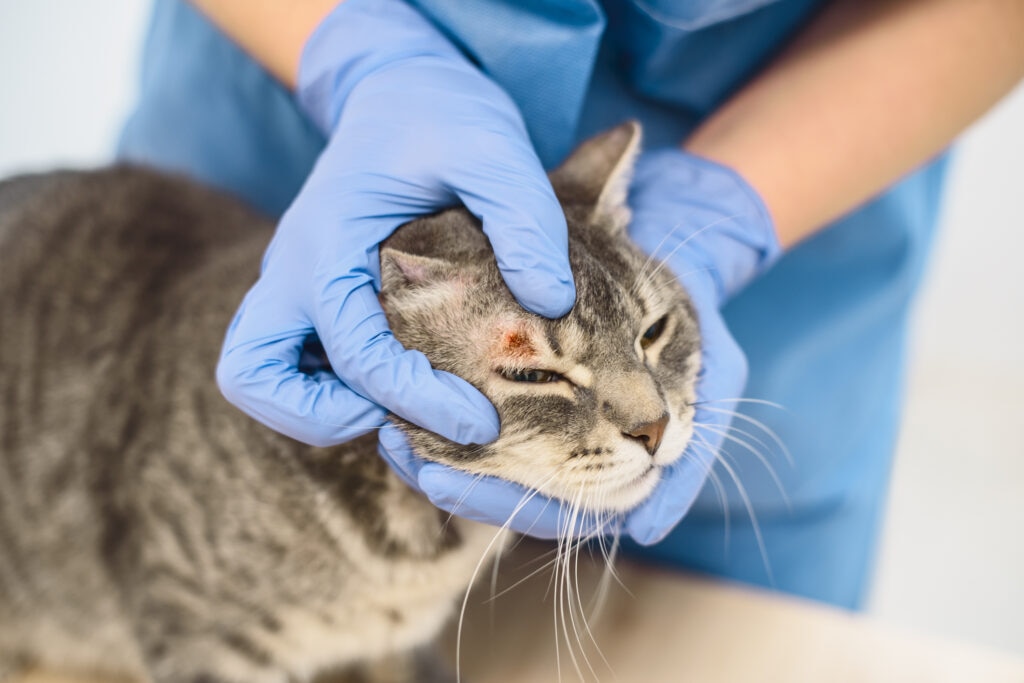
A cat eye injury can range from a simple, shallow corneal ulcer to a severe penetrating wound. Regardless of severity, cat eye injuries are painful.
Eye injuries are common emergencies in cats because the eye is delicate and can get worse quickly without treatment, threatening the cat’s vision and comfort.
Key Takeaways
- A cat eye injury is always a reason to contact your veterinarian quickly because even minor injuries can threaten your cat's vision.
- Cat eye injuries range from scratches on the cornea to deeper wounds, infections, and trauma affecting the eye or surrounding tissues.
- Treatment depends on the type and severity of the injury and may include medication, surgery, or referral to a veterinary ophthalmologist.
- Many cat eye injuries can be prevented by keeping cats indoors, reducing conflict between pets, and scheduling regular veterinary checkups.
What Is a Cat Eye Injury?
A cat eye injury is any scratch or wound that affects a cat’s eyeball or eyelids.
If your cat has deep ulcers, penetrating injuries, or anything that causes significant discomfort to their eye, take them to the emergency vet.
What Are the Types of Cat Eye Injuries?
There are many potential types of cat eye injuries. Here, we’ll cover a few of the broad categories of eye injuries.
Corneal Abrasions and Ulcers
Corneal abrasions are scratches on the surface of the eye, called the cornea. A corneal ulcer is essentially an open sore or wound on the surface of the eye.
Common causes of ulcers in cats’ eyes include:
- Upper respiratory infections like herpesvirus or calicivirus
- Physical trauma caused by fights with other cats or running into objects
- Congenital (there at birth) eyelid abnormalities causing eyelashes to rub on the cornea (e.g., entropion)
- Foreign objects in the eye
Penetrating Eye Injuries
A penetrating eye injury is very severe. With this, an object goes through the cornea and into the eye.
Potential causes of penetrating eye injuries in cats include:
- Bite wounds
- Claw injuries
- Foreign objects that poke the eye
Blunt Trauma
Blunt trauma—such as that caused by a fall, vehicular impact, or attacks by larger animals—can also affect the eye. Cats who have had blunt trauma may have corneal ulcers, inflammation (swelling) within the eye, bleeding within the eye, or even rupture of their eyeball.
Eyelid Injuries
Cats can also have injuries to the eyelids. These include cuts, lacerations, swelling from bug bites or stings, and more.
Chemical and Foreign Body Injuries
Chemicals or foreign objects can also cause ocular (eye) irritation or injury. Examples of chemical irritants or foreign bodies that may cause eye issues in cats include:
- Cleaning products like bleach or window cleaner
- Disinfectant sprays or wipes
- Perfumes, hair sprays, and other personal care items
- Chemicals used in automotive or home repair
- Plant particles
- Dust and debris
What Causes Cat Eye Injuries?
Most cat eye injuries result from trauma, including fights with other animals, accidents, or foreign material going into the eye.
The following are potential causes:
- Cat fights or interactions with other animals
- Getting plant material in the eye
- Bee stings or bug bites
- Upper respiratory infections
- Trauma to the eye
- Underlying eye diseases, like uveitis or cataracts
- Congenital malformations, such as entropion
Cats who have flat faces may have a higher risk of eye injury because their eyes aren’t as far back in their head. Outdoor cats may also be exposed to more risks that could cause eye injury than cats who stay only indoors.
What Are the Signs of a Cat Eye Injury?
Common symptoms of eye injury include:
- Lots of squinting, blinking, or holding the eye shut
- Extra tear production or eye discharge
- Redness or cloudiness of the eye
- Swelling of the eye or the tissues around it
- Visible defect or wound in the eye
- Bleeding from around or within the eye
- Pawing at the eyeball or rubbing it against furniture or the floor
- Protruding or bulging eyeball
How Is a Cat Eye Injury Diagnosed?
Your veterinarian will first do a full physical examination of your pet, including an eye exam. The vet will look for any obvious eye injuries or abnormalities and check that your cat still has vision.
Diagnostic tests that are likely to be done include:
- Schirmer tear test: This test checks to see if your cat is making normal amounts of tears.
- Fluorescein eye stain: A stain is placed in the eye, and a special blue light is shined into the eye. Corneal defects, like ulcers, will glow bright green.
- Eye pressure measurement: The veterinarian will use a tonometer to measure your cat’s eye pressure. Pressures may be higher in conditions like glaucoma or lower in conditions like uveitis. Both glaucoma and uveitis can occur after eye trauma.
In severe cases, your veterinarian may refer you to a veterinary ophthalmologist. These are animal eye experts who can do advanced treatments, like eye surgery.
How Are Cat Eye Injuries Treated?
Treatment for cat eye injuries depends on the type and severity of the injury and may include prescription eye medications, pain relief, protective collars, or surgery.
Medical Treatment
Most medical treatments are eye drops or ointments that are placed directly in the affected eye(s). For painful conditions, however, oral pain medications like meloxicam might also be recommended.
Topical treatments that may be recommended include:
- Lubricating eye drops
- Topical pain medications like diclofenac
- Antibiotic eye drops or ointments like tobramycin or triple antibiotic combinations
- Serum eye drops (made in the veterinary clinic)
Topical steroids like prednisolone acetate are usually NOT recommended for eye injuries where there is a defect in the cornea.
Steroids can slow healing and lead to worsening ulceration.
Do not use medications intended for human use unless directly told to do so by your veterinarian.
Surgical Treatment
Surgery is needed to repair deep corneal ulcers, remove foreign objects stuck within the eye, fix eyelid abnormalities that are causing eye injuries, or remove ruptured eyes.
Some private practice veterinarians will do eye removal (enucleation) or eyelid surgeries, but you’re likely to be referred to a veterinary ophthalmologist for any specialty procedures.
Recovery and Home Care
Initial healing after an eye injury can take two to three weeks, though surface-level corneal ulcers may heal more quickly. You may continue to notice changes to the eye even after the first healing phase is complete.
Recovery cones are extremely important for healing of eye injuries. If a cat can paw at their eye, rub their eye on the ground, or rub their eye on furniture, they can easily worsen the injury.
For eye injuries, the rigid recovery cones, such as this one by ICOYEA, are necessary.
The medication regimen can be quite intense, sometimes requiring you to give drops six times a day. Not following medication instructions is a common reason for poor recovery. Make sure to follow your veterinarian’s instructions precisely. If you can’t follow the schedule given, it’s important to discuss this with your veterinarian so another plan can be made.
Follow-up examinations are usually needed to ensure the eye is healing well, especially after surgery.
When Should You Take Your Cat to the Vet?
If you notice the following symptoms, it’s important to contact your veterinarian.
- Sudden squinting or holding the eye shut
- Visible wound in or around the eye
- Bleeding in or around the eye
- Redness or cloudiness of the eye
- Bulging or protruding eye
- Swelling of the eye or the tissues around it
- Loss of vision (bumping into objects, difficulty navigating the home)
- Persistent discharge from the eye
- Obsessive pawing or rubbing of the eye
If you have a recovery cone at home when your cat has symptoms, put it on them until they’re seen.
How Can You Prevent Cat Eye Injuries?
The following are tips to prevent cat eye injuries:
- Keep your cat indoors or supervise time outside.
- Introduce cats slowly and carefully to reduce fighting. Do not leave a new cat unattended with established resident cats.
- If you have multiple cats, make sure you have the right number of resources (resting areas, bowls, litter boxes, etc.) to prevent fighting.
- Keep your cats’ claws trimmed to prevent them from injuring each other.
- Remove or address household hazards, like sharp shelf edges or plants with sharp, pointed leaves.
- Keep your pet updated on their FVRCP vaccination.
- Follow your veterinarian’s recommendation for monitoring pre-existing eye conditions.
Cat Eye Injury FAQs
Can a cat eye injury heal on its own?
While it is possible for a mild corneal abrasion to heal on its own, most cat eye injuries will need veterinary care to heal in a way that won’t affect vision or have long-term effects.
How do I know if my cat's eye injury is serious?
The best way to ensure your cat’s eye injury isn’t serious is to get a veterinary evaluation. Some cats will react very dramatically to very small corneal abrasions while others will act relatively unfazed while having a vision-threatening eye injury.
Should I flush my cat's eye at home?
Only flush your cat’s eye at home if told to do so by your veterinarian. Make sure to use a cat-safe eye flush.
How long does it take a cat eye injury to heal?
How long it takes for a cat eye injury to heal will depend on the severity and type of injury. Most healing will occur in the first two to three weeks after an injury, but some will need surgery to heal correctly.
Can cats lose vision after an eye injury?
Yes, eye injuries can lead to vision loss. Severe injuries might immediately cause blindness. Others can progress to vision loss if they’re not treated quickly.
Can cat eye injuries be prevented?
Not all cat eye injuries can be prevented, but the best steps are to keep your cat indoors, get regular veterinary evaluations that include an eye exam, and vaccinate your cat against common upper respiratory viruses.


