Cloudy Eyes in Cats: Causes, Symptoms, and When to Worry


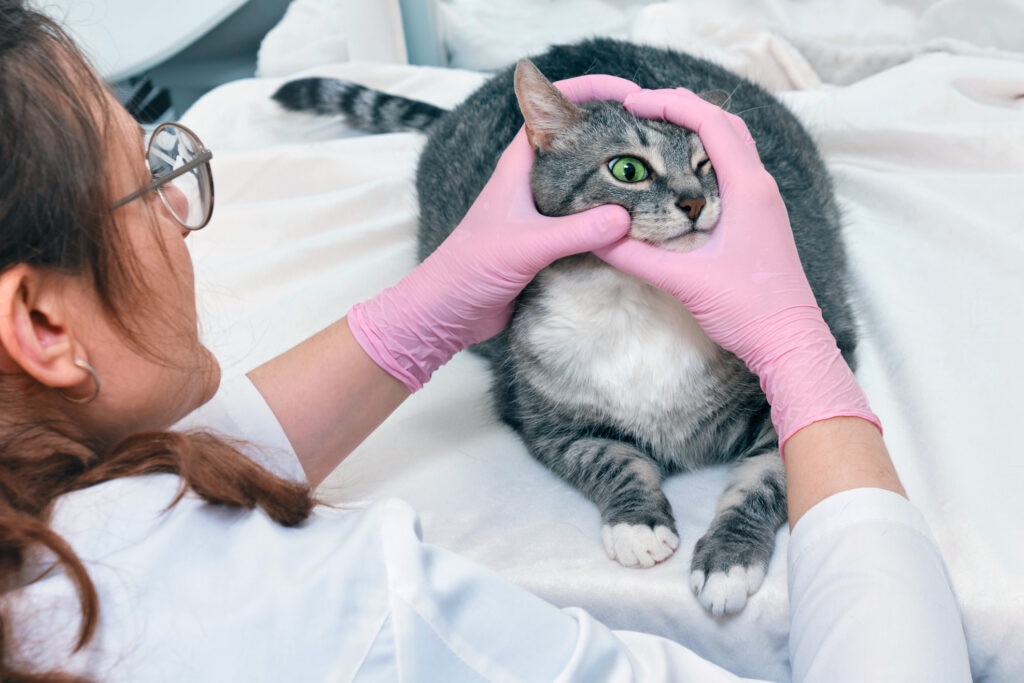
Andrey Zhuravlev/iStock/Getty Images Plus via Getty Images
Cloudy eyes in cats is not a diagnosis—it’s a symptom that can range from normal aging changes to serious eye diseases that may cause vision loss. Conditions like cataracts, glaucoma, infections, or corneal damage can all make a cat’s eyes appear hazy, milky, or blue.
If you notice sudden cloudiness, redness, discharge, or signs of pain like squinting, seek veterinary care immediately. Because some eye conditions can worsen quickly, early diagnosis and treatment is critical to protecting your cat’s vision and overall health.
Key Takeaways
- Cloudy eyes in cats are a symptom—not a diagnosis—and can result from conditions like cataracts, glaucoma, or corneal disease.
- Sudden cloudiness or symptoms like redness, discharge, or pain require immediate veterinary care.
- Diagnosis often involves eye-specific tests like corneal staining and pressure measurement, along with broader health screening.
- Treatment depends on the underlying cause, and there are no safe over-the-counter remedies for cloudy eyes in cats.
What Are Cloudy Eyes in Cats?
Cloudy eyes in cats can be a visible sign of a problem with one or both of your cat’s eyes.
When a normally clear structure such as the cornea, lens, or inside the eye turns cloudy, hazy, blueish, white, or milky it might indicate that your cat is having trouble with their vision.
Any changes to your cat’s eyes signify a need for a physical eye exam with your veterinarian.
Health Tools
Get quick answers with our vet-created Symptom Checker
Causes of Cloudy Eyes in Cats
Cloudy eyes in cats can be caused by several conditions affecting different parts of the eye—ranging from normal aging changes to serious diseases that can lead to vision loss.
Common causes of cloudy eyes in cats include:
-
Eye infections
-
Scarring from previous injury or infection
-
Nuclear sclerosis (lenticular sclerosis)
What To Do if Your Cat’s Eyes Are Cloudy
Determining whether cloudy eyes in cats is an emergency depends on how quickly the symptoms appear and whether other signs are present.
If the cloudiness develops gradually and affects both eyes without other symptoms, you can typically schedule a veterinary appointment for evaluation.
However, seek veterinary care immediately if the cloudiness is sudden or accompanied by any of the following:
-
Pain or squinting
-
Redness
-
Weakness
-
Swollen joints or lameness
Many eye conditions can worsen quickly without treatment and may lead to vision loss or even rupture of the eye.
If you are unsure or if your cat appears uncomfortable, take them to the vet immediately.
How Vets Diagnose the Cause of Cloudy Eyes in Cats
Veterinarians diagnose cloudy eyes in cats using a combination of physical examination and diagnostic tests.
Your vet will go through your cat’s medical history and check for signs of systemic (whole body) disease. Based on initial findings, your veterinarian may recommend the following tests:
-
Corneal stain: A dye is applied to the eye to detect abrasions or ulcers on the cornea.
-
Intraocular pressure (tonometry): Measures pressure inside the eye to help diagnose conditions such as glaucoma or uveitis.
-
Bacterial culture: A sample from the eye is grown in a laboratory to identify bacterial infections.
-
Cytology: Examines cells from the eye under a microscope to evaluate inflammation or infection.
-
Blood work and urinalysis: Used to assess overall health and identify systemic diseases.
In some cases, additional imaging—such as X-rays or abdominal ultrasound—may be recommended to investigate underlying systemic conditions.
Referral to a veterinary ophthalmologist is often advised for cases that are severe, sudden, rapidly progressing, or not responding to treatment.
Treatment of Cloudy Eyes in Cats
Treatment for cloudy eyes in cats depends entirely on the underlying cause.
There are no safe over-the-counter treatments for eye cloudiness in cats.
Some causes of cloudy eyes require immediate and aggressive treatment to avoid vision loss, so it’s important to follow all your vet’s directions.
Treatment ranges from daily eye medication to emergency surgery.
-
Eye infections and ulcers are typically treated with antibiotic eye medications (like Terramycin) and anti-inflammatory eye drops (like Neo-Poly-Dex and Ketorolac Tromethamine Ophthalmic Solution).
-
Your vet might even need to make special eye drops from your cats blood serum to help with a deep corneal ulcer.
-
Keratitis caused by feline herpesvirus can be treated with antiviral medications such as famcyclovir, supportive antibiotics to fight secondary infections, and medications to boost the immune system, such as Imuquin.
-
Glaucoma requires aggressive therapy with special eye drops and oral steroids.
-
Cataracts in cats can only be treated with surgery.
-
In severe cases of cloudy eyes of varying causes, enucleation (surgical removal of the entire eye) is needed to control the disease progression and the associated pain.
-
Nuclear sclerosis is a normal age-related change that does not affect the vision and does not require any medical treatment.
-
Pain medication is often given topically or by mouth, depending on the need.
At-home care for cats with cloudy eyes always involves the use of a protective collar to avoid scratching or rubbing the eye.
Wiping discharge away from the eye with an eye wipe can also be helpful for cats with cloudy eyes.
A warm cloth compress can help soothe discomfort as well as help remove any crusted discharge.
Antioxidants (Zesty Paws 8-in-1 Multivitamin Chicken Flavored Mousse Lickable Supplement for Cats), probiotics (like Purina Pro Plan Veterinary Diets FortiFlora Powder Probiotic Digestive Supplement for Cats), and omega-3 fatty acids are also great supplements to help cats with eyes issues.
Speak with your vet about the best choice for your cat.
Prevention of Cloudy Eyes in Cats
Prevention of cloudy eyes in cats may not be possible, but you can help reduce the risk of severity by having your cat’s eyes examined as soon as possible when you notice a problem.
Check your cat’s eyes daily so you know when a change occurs.
It’s also best to ensure your cat has regular annual or semiannual visits to the vet, where part of their healthy checkup will be an eye exam.
This can pick up any potential causes of cloudy eyes in cats before they become a major issue or cause vision problems or pain.
Protecting your cat from accidental eye injuries can also help prevent cloudy eyes. Keeping their nails short, minimizing behavioral conflicts among cats, and avoiding exposure to common irritants are good ways to help.
Cloudy Eyes in Cats FAQs
How do you treat cloudy eyes in cats?
Cloudy eyes in cats is treated in a variety of ways depending on the underlying cause. Some causes of cloudy eyes can be treated with intensive eye medications, while others might require surgery.
Will a cat’s cloudy eye go away on its own?
Cloudy eyes in cats is not something that will go away on its own.
Once your veterinarian diagnoses the underlying cause they will either begin treatment, or decide treatment isn’t needed if it’s just an age-related change like nuclear sclerosis.


