Sarcoptic Mange in Dogs: Symptoms, Treatment, and How To Prevent It


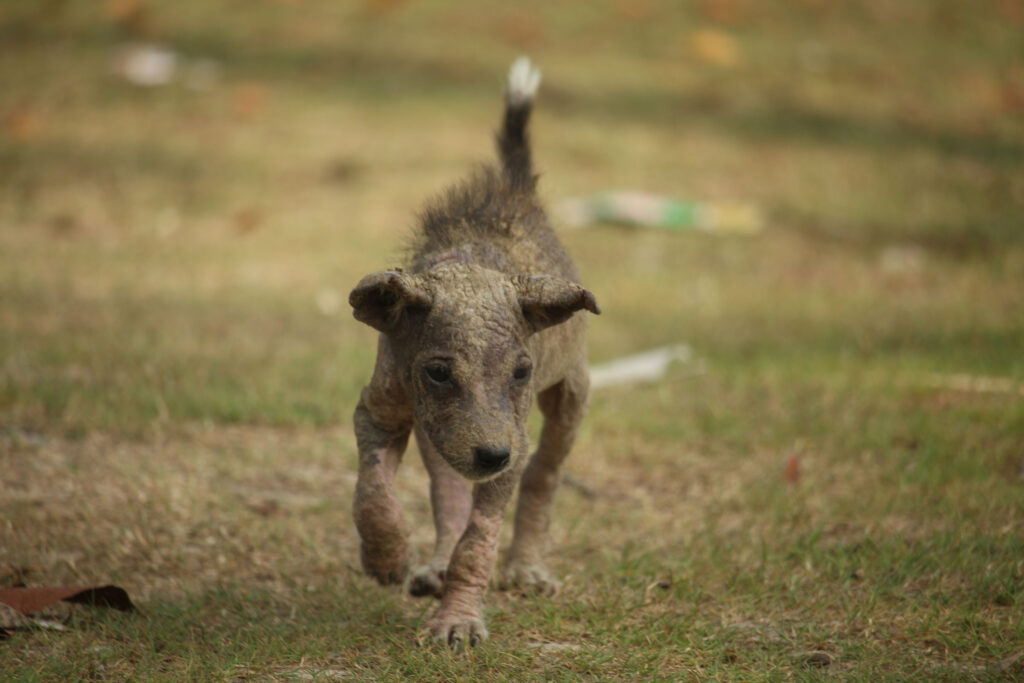
Wirestock/iStock/Getty Images Plus via Getty Images
Sarcoptic mange (also called canine scabies) is a highly contagious skin disease caused by microscopic mites that burrow into a dog’s skin, leading to intense itching, hair loss, and skin damage.
Prompt veterinary treatment is important because the mites can spread to other pets and temporarily to people, and early treatment helps relieve your dog’s discomfort and prevent complications.
Key Takeaways
- Sarcoptic mange in dogs is a highly contagious skin condition caused by microscopic mites that burrow into the skin.
- Common symptoms include intense itching, hair loss, redness, and crusty skin lesions, often starting on the ears, elbows, and belly.
- Treatment typically involves prescription medications from a veterinarian, and all pets in the household should be treated.
- Early diagnosis and treatment are important to relieve discomfort and prevent the spread to other pets or humans.
What Is Sarcoptic Mange in Dogs?
Sarcoptic mange is a contagious skin disease caused by mites located at the hair follicles and it can be transmitted between animals and to humans. It can be an extremely debilitating and sometimes fatal disease.
Sarcoptic mange, which is also known as scabies, is caused by Sarcoptes scabiei.
Under the microscope, this parasite appears as a small, circular, white mite. Adult mites have eight legs while juveniles have six legs.
Terminal suckers are located on the legs of male and female mites, which help them feed on a host’s skin.
They are usually 0.2-0.4 millimeters in size and can’t be seen with the naked eye.

Click here to download this medical illustration.
These mites are primarily found on foxes and are the main reason for domestic dog infestation.
Dogs develop an allergic reaction to these mites, so only a few are necessary to cause severe clinical signs.
Adult mites will mate on the skin surface, and then the females burrow into the deeper skin layers to lay their eggs. Once these eggs hatch, the larvae move toward the skin’s surface where they begin to feed on the skin. Larvae then mature to nymphs, which eventually mature to adults. The life cycle is complete within three weeks.
Scabies usually affects dogs suffering from starvation and neglect and those with compromised immune systems. It’s seen less commonly in healthy dogs on parasite prevention in loving homes.
While sarcoptic mange is not considered a medical emergency, it will progressively worsen without treatment and cause significant pain, discomfort, and possible skin infections in affected dogs.
If your dog is showing signs of scabies, schedule a veterinary visit promptly.
Symptoms of Sarcoptic Mange in Dogs
Signs of sarcoptic mange in dogs include:
-
Excoriations (self-inflicted superficial or deep wounds)
Raised bumps called papules are often found on the chest or over the body. Thick crusted skin is most noted on the margins of the ears, the ankles (hocks), armpits, and elbows, as this mite prefers to invade hairless skin. The mites can affect the entire body.
Secondary skin infections are often seen because of the skin lesions, which can present as crusted lesions (collarettes) or draining/weeping wounds.
Depression, decreased appetite, and lethargy can occur because of the severe itching and uncomfortable skin issues.
Weight loss is a possible clinical sign because of the energy used up with persistent and severe scratching. Enlarged lymph nodes can be seen with generalized infection. Occasionally, localized scabies infection is possible when the lesions, hair loss, and itching is confined to one region of the body.
With cases of sudden, severe itching in dogs, especially in younger dogs, scabies should always be investigated and treated to avoid progression of symptoms.
Causes of Sarcoptic Mange in Dogs
Sarcoptic mange in dogs is spread through direct contact with an infected animal or human.
These microscopic mites require a host to feed on and don’t live in the environment for long periods of time. They can be infective in the environment for up to 36 hours.
Scabies is often transmitted through close contact between dogs. These mites are found most in areas where infected dogs and foxes frequent.
Day care businesses, dog parks, shelters, and some breeding facilities are examples of where dogs can easily spread scabies.
Scabies is not caused by bad hygiene, but it can be worsened with neglect or a weakened immune system. Animals with depressed or forming immune systems or animals with other underlying medical issues are at a higher risk of mange infestation.
Dogs who are not kept up to date on parasite prevention year-round are also at an increased risk.
How Veterinarians Diagnose Sarcoptic Mange in Dogs
Sarcoptic mange in dogs is often suspected in any pet with sudden onset of severe itching, hair loss, or scaling lesions, especially puppies and older, ill dogs.
Sarcoptic mange is most diagnosed with skin scraping and cytology.
This is a non-invasive test that involves using a scalpel blade and scraping the skin deep enough for mild irritation. The sample is assessed under the microscope, where the presence of any mites is considered a positive result.
It can be difficult to find sarcoptic mites, and sometimes several areas need to be sampled for positive identification. In some cases, no mites are found and treatment is started because of the severity of signs, age of the dog, and physical exam. Response to treatment is then monitored closely.
Some mites can sometimes be found through fecal flotation or fecal testing because the dog ingested them while licking or chewing the skin.
Finally, a skin biopsy may be necessary in cases where the dog is not responding to therapy or if a diagnosis is not made with other less invasive diagnostic tests. Biopsy is particularly considered if draining wounds, skin swelling, or papules are noted, to rule out mites or other causes of these lesions.
Treatment of Sarcoptic Mange in Dogs
Isolate your pup from other pets and as many humans as possible when treating sarcoptic mange, to avoid the spread of infection or reinfection.
Isolation should continue until your vet determines that your dog is free of scabies.
It’s necessary to address any systemic disease, weakened immune system issues, and secondary skin infections for dogs with scabies.
Treatment failure is usually caused by failure to treat secondary infections or illnesses and stopping medical therapy too early.
All cases of sarcoptic mange in dogs require medical therapy.
Numerous treatments are available, including:
-
Ivermectin
-
Moxidectin
-
Lime-sulfur dips (like Vet Basics Lime Sulfur Dip Antimicrobial for Dogs)
If one product is not helping to resolve the symptoms, your vet may change to another product.
Ivermectin should never be used in the following breeds:
-
Any mixes of the breeds above, and other dogs that carry the MDR1 gene (multiple drug resistant 1 gene)
These dogs can have severe, even fatal side effects when using ivermectin. Safer options should be used in these breeds.
Antibiotics to treat skin infections, such as cephalexin, as well as anti-itch medications, such as prednisone, are often given to help with relief of itching during treatment with miticidal therapy.
A recovery cone may be recommended by your veterinarian if your dog is causing injury to their skin.
Environmental disinfection is extremely important in cases of scabies.
Even though these mites do not live long in the environment, you must treat the home thoroughly to fully eliminate them so they cannot jump back onto and reinfect your dog.
Dogs diagnosed with or suspected of having scabies should have their collars, harnesses, bedding, crates, toys, and bowls washed in diluted bleach or replaced entirely.
When disposing of infected items, discard them in a sealed garbage bag away from animals and humans to avoid further infestation.
Recovery of Sarcoptic Mange in Dogs
Recovery from sarcoptic mange in dogs depends on the severity of the infection. In more severe cases, it can take weeks to months for full resolution of itching and for the skin to begin to heal itself.
Prevention of Sarcoptic Mange in Dogs
Frequent oral or topical flea/tick/mite preventatives are needed to decrease the chance of infection with sarcoptic mange.
Good house cleaning and a clean environment are pertinent in controlling scabies. Mange is less common in clean, well-cared for, nutritionally sound dogs who sleep in frequently cleaned bedding and crates.
Sarcoptic Mange in Dogs FAQs
Can humans catch sarcoptic mange from dogs?
People can get symptoms like those of their dog, such as intense itching and a rash, if sarcoptic mites are present. However, these mites do not live or reproduce on human skin, so the symptoms are short-lived compared to dogs.
How do I tell if my dog has sarcoptic mange?
Dogs with sarcoptic mange have symptoms such as intense itching, hair loss, and thickened skin. Taking them to a veterinarian for an exam and testing can diagnose sarcoptic mange.
How do you treat sarcoptic mange in dogs?
Sarcoptic mange in dogs is most often treated with antiparasitic medications given orally or topically. Affected dogs may also require lime sulfur dips, antibiotics, or anti-inflammatories to manage symptoms.
Can I touch my dog with mange?
Because sarcoptic mange can be spread from dogs to people and cause similar uncomfortable symptoms, use caution when contacting an infected dog and always wash your hands thoroughly after touching them.


