Vaginitis in Dogs: Signs, Causes, and Treatment

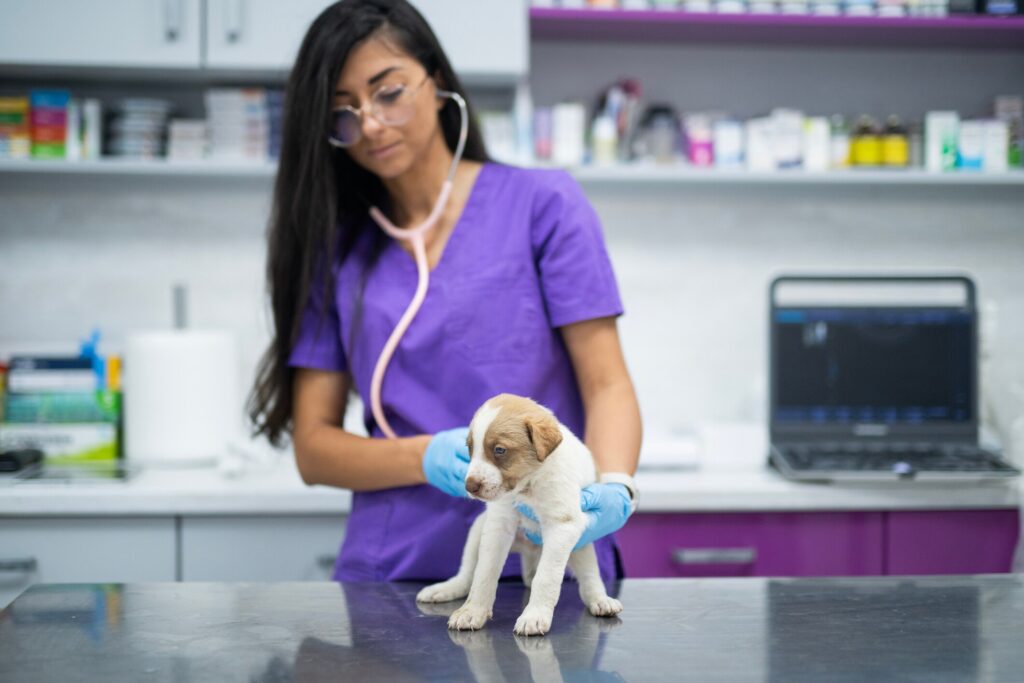
ArtistGNDphotography/E+ via Getty Images
Vaginitis in dogs is inflammation of the vagina that commonly affects puppies and spayed adult female dogs. Puppy vaginitis often resolves after the first heat cycle, while adult dogs usually require treatment for the underlying cause.
Key Takeaways
- Vaginitis in dogs is inflammation of the vagina that may cause redness, swelling, discharge, frequent urination, or excessive licking.
- Puppy vaginitis often resolves after the first heat cycle, while adult dogs generally require treatment for the underlying cause.
- Treatment depends on the cause and may include keeping the vulvar area clean and dry, antibiotics, or surgery.
What Is Vaginitis in Dogs?
Vaginitis is inflammation of the vagina that may cause redness, swelling, and discharge. In puppies, vaginitis is usually a harmless condition that resolves on its own after the first estrus (heat) cycle, while older dogs usually need treatment.
As puppies develop and go through their first estrus cycle, the anatomy of the vagina matures. This structural maturation helps resolve vaginitis in most cases without treatment.
Adult dogs have already gone through this maturation process, so the underlying cause of vaginitis generally requires treatment.
Health Tools
Get quick answers with our vet-created Symptom Checker
What Are the Symptoms of Vaginitis in Dogs?
Many dogs with vaginitis have no symptoms, or their symptoms may be intermittent. When signs do occur, they can include vulvar discharge, frequent licking of the vulva, frequent or attempted urination, and skin irritation around the vulva.
Symptoms of vaginitis in dogs may include:
- Discharge from the vulva, typically cloudy and white to yellow in color
- Constant licking of the vulva
- Male dogs sniffing the vulvar area or attempting to mount the female dog
- Frequent urination or attempted urination
- Irritation of the skin around the vulva from excessive licking
Dogs with vaginitis typically do not appear sick and may remain playful and happy despite having one or more of these symptoms.
If you notice additional symptoms such as lethargy (tiredness), weakness, refusal to eat, or vomiting, contact your veterinarian immediately. These could be signs that a more serious issue is occurring.
What Causes Vaginitis in Dogs?
Anything that causes inflammation, irritation, or a moist environment can cause vaginitis in dogs. Most commonly, vaginitis is caused by a bacterial infection because bacteria tend to thrive in warm, moist areas such as the urogenital tract.
Other possible causes of vaginitis in dogs include:
- Structural abnormalities of the vulva, such as a hooded vulva that is hidden or recessed by surrounding skin, or abnormalities of the urinary tract that make it easier for bacterial infections to thrive
- Viral infections, such as canine herpesvirus
- Foreign material in the vagina, such as dust or dirt
- Medications, such as hormone-altering or hormone-producing steroids or creams
- Cancer
- Conditions that cause sex hormone imbalances, such as Cushing's disease or reproductive tumors
How Is Vaginitis in Dogs Diagnosed?
Veterinarians diagnose vaginitis in dogs using a physical examination and may test vaginal discharge or perform additional tests to determine whether an infection or another underlying problem is present.
Physical Examination
Your veterinarian will examine the vulvar area for signs of infection and determine whether vaginitis or an underlying problem, such as an infection or urinary tract abnormality, may be causing your dog's symptoms.
Vaginal Discharge Testing
Your veterinarian may take a sample of the discharge and analyze it under a microscope or submit a culture to a laboratory to determine whether a bacterial infection is present.
Additional Diagnostic Tests
Your veterinarian may recommend blood work to rule out more serious conditions or imaging, such as an X-ray or ultrasound, to examine the urinary tract.
In some cases, more advanced diagnostics such as a vaginoscopy may be required. During a vaginoscopy, a small scope with a camera is used to examine the inside of the genital tract.
How Is Vaginitis in Dogs Treated?
Treatment for vaginitis in dogs depends on the severity and underlying cause.
In puppies that haven't yet gone through puberty, vaginitis usually resolves on its own. More severe cases may require antibiotics or surgery.
Hygiene for Puppy Vaginitis
You can help by keeping the skin around your dog's vulva clean and dry. Dog-safe wipes, such as Earth Rated Grooming Wipes, can be used after your dog has been playing outside or after they have urinated.
Antibiotics for Vaginitis
Antibiotics such as Clavamox or cephalexin are often prescribed when bacterial infections are present in the vulva, vagina, or urinary tract.
Surgery for Vaginitis
If an anatomical problem is causing vaginitis, your dog may need a surgery called vulvoplasty to correct the problem and help prevent future episodes.
This surgery is common in dogs with hooded vulvas that frequently develop vaginitis.
Recovery and Management of Vaginitis in Dogs
An episode of vaginitis may last from days to months, depending on the cause. In puppies, vaginitis often resolves after the first heat cycle, but this is not always the case.
If a structural abnormality is present, your puppy may be susceptible to recurrence and flare-ups. Knowing whether your dog has a hooded or inverted vulva can help determine if they are at increased risk.
Managing Vaginitis at Home
Keeping the area around your dog's vulva clean and dry can help. This can be done using antimicrobial dog wipes, such as Mal-A-Ket Wipes for Dogs, and a dry towel.
Preventing your dog from licking the area by having them wear a recovery cone during recovery can also be helpful.
Vaginitis in Dogs FAQs
Will dog vaginitis clear up on its own?
Yes. Uncomplicated puppy vaginitis can resolve on its own within a few weeks to months and may resolve faster with good hygiene care.
However, what appears to be vaginitis can sometimes be a more serious condition, so schedule an appointment with your veterinarian to have your dog evaluated.
Does vaginitis hurt a dog?
It can be irritating and uncomfortable, and frequent licking/chewing of the area may make matters worse. If you notice any swelling, irritation, or signs of discomfort, contact your veterinarian immediately.
What products can I use on my female dog’s private area to help clean her?
You should only use products recommended by a veterinarian to clean your female dog's vulvar area to prevent irritation. Dog-safe wipes are available and may be recommended.
Can I use baby wipes on my dog?
No. Generally, pet parents should use dog-safe wipes rather than baby wipes on their dog's skin to avoid irritation.
What causes vaginitis in dogs?
Vaginitis has various causes, including structural abnormalities, underlying health conditions, and certain medications.
References
-
Memon, Mushtaq. Merck Veterinary Manual. Vaginitis in Small Animals-Reproductive System. November 2013.
-
Lundgren, Becky. Veterinary Partner. Vaginitis in Puppies. December 2006.


