IBS in Dogs: What Causes It?


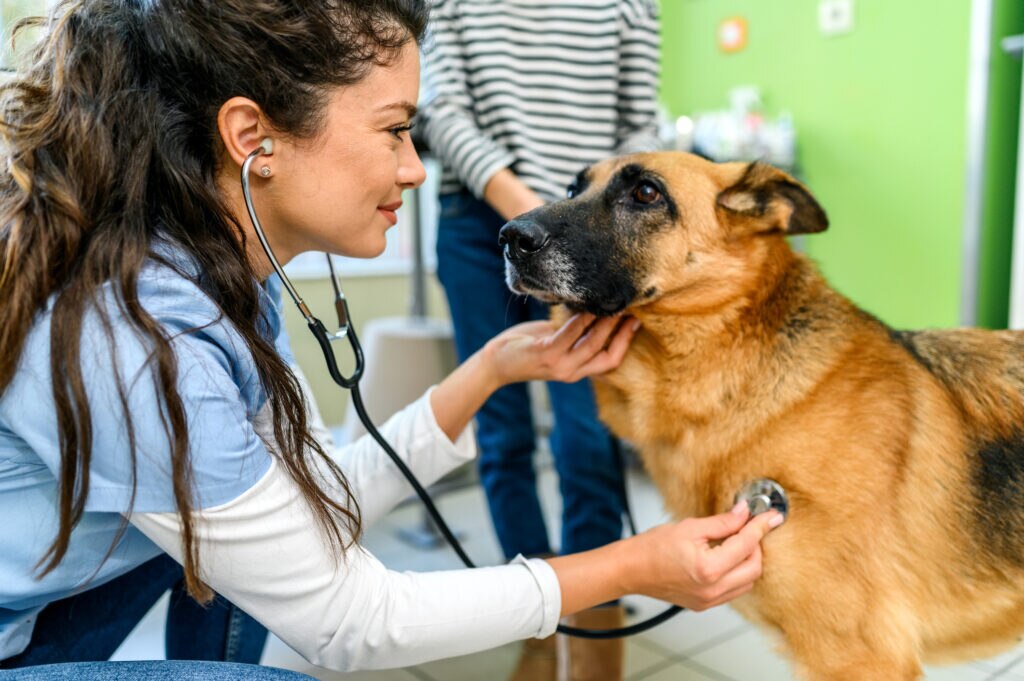
bluecinema/E+ via Getty Images
If your dog has watery stool, excessive gas, and a decreased appetite, you may be understandably concerned. These symptoms could mean that your dog has irritable bowel syndrome, or IBS.
IBS in dogs is relatively common and has many causes, ranging from a sudden diet change to an underlying illness. IBS typically requires treatment by a veterinarian, with most dogs recovering completely.
Key Takeaways
- IBS in dogs affects the gastrointestinal tract's normal function, leading to symptoms like diarrhea, vomiting, and gas. While it shares symptoms with irritable bowl disease (IBD), IBS does not cause permanent structural changes to the GI tract.
- Diagnosis of IBS requires ruling out other conditions through tests like bloodwork, imaging, and food trials. It’s a diagnosis of exclusion, meaning other causes must be eliminated first.
- Treatment for IBS focuses on managing symptoms through diet changes, medications, and stress reduction. Many dogs recover fully, but long-term management may be needed for chronic cases.
What Is IBS in Dogs?
IBS is a disease that affects a dog’s gastrointestinal (GI) tract. It is a functional disorder, which means that it affects normal contraction of the intestinal muscles. This results in intermittent bouts of diarrhea and constipation, among other uncomfortable symptoms.
IBS is different from inflammatory bowel disease (IBD), which is an autoimmune condition that causes chronic inflammation of a dog’s GI tract, leading to thickened intestines. While IBS can also be a chronic condition with periodic flares of clinical signs, it doesn’t cause structural changes to a dog’s GI tract.
IBS is not typically considered a medical emergency, but it can become an emergency if your dog has severe symptoms that lead to dehydration. If you notice signs of dehydration—such as dry gums, extreme lethargy, or sunken eyes—take your dog to a veterinarian immediately.
Symptoms of IBS in Dogs
Common symptoms of IBS in dogs include:
-
Diarrhea (may contain mucus)
-
Constipation
-
Straining to defecate
-
Abdominal pain
-
Bloating
-
Decreased appetite
-
Lethargy
-
Tacky gums
-
Excessive gas
Causes of IBS in Dogs
The numerous causes of IBS in dogs include:
-
Diet changes
-
Dietary indiscretion (eating something they shouldn’t)
-
Anxiety
-
Intestinal parasites, such as giardia
-
Intestinal bacterial overgrowth
-
Genetics
Dogs of any age or breed can develop IBS.
However, Yorkshire Terriers, German Shepherds, and Boxers are a few of the breeds who have an increased risk, likely due to genetics.
Middle-aged and senior dogs are also more likely to develop IBS.
How Veterinarians Diagnose IBS in Dogs
IBS in dogs is considered a diagnosis of exclusion. This means that it is diagnosed after your veterinarian rules out other diseases with similar symptoms.
Your veterinarian will start with a thorough physical exam, paying special attention to your dog’s abdomen for any signs of bloating or pain. The vet will ask questions about your dog’s symptoms, their diet, and any recent changes in your home.
While it shares symptoms with irritable bowl disease (IBD), IBS does not cause permanent structural changes to the GI tract.
To rule out other potential causes for your dog’s symptoms, your veterinarian may recommend the following tests:
-
Blood work: A small sample of blood is taken from your dog’s vein to check their overall health, including blood cell counts (CBC), organ function, and electrolyte status. This can help your veterinarian identify an underlying disease.
-
Urinalysis: A sample of your dog’s urine can be used to diagnose a urinary tract infection or other underlying illness.
-
Fecal float: A sample of your dog’s feces is examined under a microscope to look for intestinal parasite eggs.
-
Fecal smear: A small sample of feces is placed onto a slide, stained, and viewed under a microscope to check for bacterial overgrowth.
-
Abdominal imaging: An ultrasound or X-ray of your dog’s abdomen can identify GI abnormalities, such as inflammation, a foreign object, or structural changes.
-
Endoscopy: While your dog is under sedation, a tube with a small camera will be advanced through their GI tract into the intestines to visualize any abnormalities and possibly collect tissue samples.
-
Food trial: Your dog may be placed on a special veterinary diet for eight to 12 weeks to determine whether they have a food allergy or sensitivity.
Treatment of IBS in Dogs
Treatment for IBS in dogs is aimed at improving a pet’s symptoms through supportive care.
Potential treatments that may be prescribed include:
-
Bland diet, such as boiled chicken and white rice
-
Veterinary diet for food allergies, such as Hill’s z/d Low Fat Hydrolyzed Diet
- Probiotics, such as FortiFlora
-
Antibiotics, such as amoxicillin or metronidazole
- Anti-anxiety medication, such as fluoxetine
-
Calming pheromones, such as Adaptil Spray
-
Deworming medication, such as fenbendazole
-
Anti-vomiting medication, such as Cerenia
- Antacids, such as famotidine
-
Fiber supplement, such as Native Pet Organic Pumpkin Fiber Powder
Recovery and Management of IBS in Dogs
With appropriate treatment, IBS in dogs often resolves within a week.
However, some dogs with chronic stress or a chronic underlying illness may experience repeated bouts of IBS throughout their lives that will require management.
Dogs recovering from IBS may benefit from a quiet, calm environment to minimize their stress levels. This may include providing a cozy dog bed or a dog speaker that plays calming music.
Follow your veterinarian’s instructions closely, which may include giving prescribed medications to promote your dog’s recovery. If your dog’s symptoms don’t improve or worsen, contact your veterinarian for additional guidance.
Prevention of IBS in Dogs
Although not all cases of IBS in dogs are preventable, the following tips can help you reduce your dog’s risk:
-
Ensure your dog’s environment is as calm and stress-free as possible. Avoid making any abrupt changes that could increase your dog’s stress levels. Ensure your dog has a consistent routine, including daily exercise, to provide predictability and reassurance.
-
Feed a nutritionally complete and balanced diet, such as Hill’s Science Diet Adult Dog Food. If you plan to switch dog foods, transition to the new food gradually rather than abruptly changing the diet. Avoid feeding your pup table scraps, as this can cause a flare-up of IBS.
-
Keep the lid on your garbage can to prevent your dog from ingesting food items that can cause intestinal distress and corresponding symptoms.
-
Take your dog to the veterinarian regularly for wellness care so that any health issues can be identified early. Give your dog monthly parasite prevention, such as Bravecto, that also protects against intestinal parasites.
IBS in Dogs FAQs
Can IBS cause vomiting?
Yes, vomiting is a common symptom in dogs with IBS.
Can IBS in dogs go away without treatment?
In some cases, IBS can resolve on its own. For example, if IBS is caused by a stressful event, eliminating the stress can help a dog’s intestinal function return to normal. However, treatment is often necessary to help dogs recover from IBS.
How did my dog get IBS?
IBS can develop for several reasons, including a sudden diet change, stress, bacterial overgrowth in the gut, and genetics.