How To Feed Cats Separately in a Multi-Cat Home


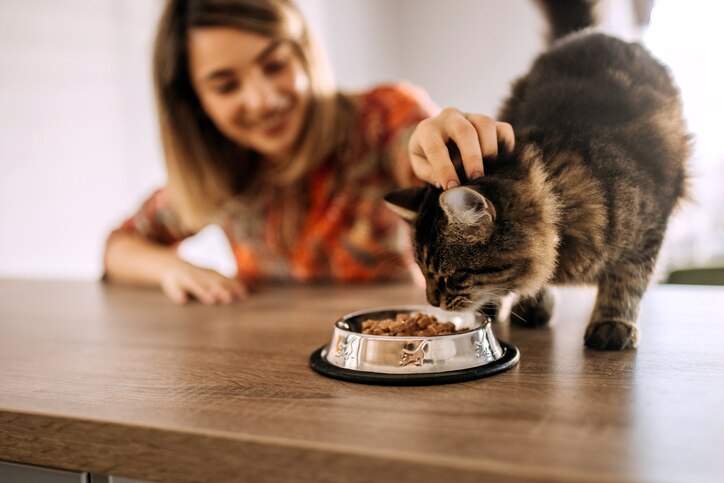
Pekic/E+ via Getty Images
Yes—cats should ideally be fed separately in a multi-cat household to prevent food stealing, reduce stress, and ensure each cat gets the right nutrition.
Feeding multiple cats may seem simple at first, but differences in diet, behavior, and eating habits can quickly create problems—from weight gain to food aggression.
With the right setup, you can make mealtime calm, safe, and healthy for every cat in your home.
Key Takeaways
- Feeding cats separately helps ensure each cat gets the right diet and portion size.
- It reduces food aggression, stress, and competition.
- Monitoring individual eating habits can help detect early signs of illness.
- Free-feeding (leaving food out all day) often leads to overeating and food stealing.
- Solutions include separate feeding stations, timed meals, and microchip feeders.
Should You Feed Cats Separately?
Cats rarely have exactly the same nutritional and behavioral needs, so feeding them separately has several benefits.
Cats Can Eat the Best Diet for Them
Not every cat food is right for every cat. Diets often need to be tailored to a cat’s age, lifestyle, and health.
For example, kittens need to eat veterinarian-recommended kitten food to support their rapid growth and development, but an older cat who spends most of their time curled up on the couch will probably become overweight if they eat too much kitten food.
Many common cat health problems (including obesity, diabetes, heart disease, and gastrointestinal disorders) can be managed, at least in part, with special diets. You might also find yourself adding supplements or medications to one of your cat’s meals that your other cats shouldn’t be eating.
You Can Prevent or Manage Health and Behavior Problems
It’s not unusual for one cat (or more!) in a household to be very food-motivated and bully their way into everybody else’s food bowls. This can lead to some individuals gaining unhealthy amounts of weight and others becoming undernourished.
Conflicts around food can also lead to aggression, anxiety, and injuries caused by fights.
You Can Monitor Your Cats’ Appetite
A change in appetite is an early symptom of many cat diseases. Feeding cats separately allows pet parents to easily notice when one cat is eating more or less than normal and bring these changes to a veterinarian’s attention.
How To Feed Cats Separately
Several methods are available to help you feed your cats separately, but keep in mind that adult cats should eat at least every eight hours. Make sure to pick an option that will work for you in the long run.
Establish Multiple Cat Feeding Stations
Every cat should have their own spot to eat and drink; not having to share food and water bowls can eliminate many problems. Keep your cats’ feeding stations as far apart as is practical.
You can even make use of your cats’ natural preferences by feeding them close to where they like to spend a lot of their time. For example, if you have one cat who loves to climb and another who doesn’t, feed your climber on a stable shelf or on top of a sturdy cat tree.
Monitor Meals
You may still find that you need to monitor your cats during mealtimes, particularly if you have some cats who eat quickly and others who take their time.
Giving your rapid eaters their food in cat slow feeder bowls or on cat lick mats is a great way to even out how long your cats’ meals last.
Feed at Different Times
Another option is to feed your cats at different times. This can also give you an opportunity to spend quality time with each cat.
While one cat is eating, take care of some of your other cats’ needs, such as giving them a thorough grooming with a cat brush, brushing their teeth with a cat toothbrush, or playing with a new cat toy.
Use Automatic Cat Feeders for Multiple Cats
But what if your cats need to eat when you’re not around or you’re too busy to monitor mealtimes? Have no fear—technology has come to the rescue.
You can equip each of your cats’ feeding stations with a microchip- or RFID-enabled automatic feeder that opens and provides food only when a particular cat approaches. The SureFeed Connect model, for example, allows you to feed both dry and wet food, precisely weigh the food, and keep track of how much your cat actually eats at each meal.
Feed in Separate Rooms
Unfortunately, even the best automatic feeder can’t prevent dominant kitties from harassing their more timid housemates at mealtime. Therefore, feeding each cat in a separate room behind a closed door is the ultimate solution for serious mealtime problems in a multi-cat household.
Set up feeding stations for each of your cats in bathrooms, bedrooms, or any low-stress spot in your home that has a door. If you can be around at feeding time, you can simply open and close doors as needed to allow all your cats to eat in peace. When you can’t be home, electronic cat doors can let you decide who has access to which rooms and even monitor your cat’s activities.
With a little extra vigilance, your cats will have filling and stress-free mealtimes.


