6 Cold-Weather Mistakes To Avoid With Cats


Linda Raymond/E+ via Getty Images
To avoid dangerous cold-weather mistakes with cats, keep them indoors during winter, provide warm and safe sleeping spots, and never assume they can safely survive freezing temperatures on their own.
Key Takeaways
- Cats can get dangerously cold in temperatures lower than 45 F.
- Senior cats, kittens, and those with health problems are more vulnerable to cold.
- If caring for a community cat, make sure they have a warm and dry shelter, extra food, and unfrozen water.
- The safest way for cats to get through winter is to keep them inside and provide warm beds, safe spaces, and winter-proof resources.
Do Cats Get Cold?
Yes, cats get cold. In fact, cats are better designed to handle warm temperatures than cold weather.
Cats who spend most—if not all—of their time outside are most vulnerable to the cold weather. Not only are cats sensitive to the cold temperatures, but wind, snow, and ice can increase their risk.
In general, 45 degrees Fahrenheit is uncomfortably cold for most cats. If you need to put on a coat to go outside, your cat should probably stay indoors.
Common Cold-Weather Mistakes
Here’s what not to do when the temperature drops.
1. You Let Your Cat Outside in the Cold
The best way to keep your cat protected from the cold is simple: keep them inside.
Outdoor cats face a lot of dangers, including extreme temperatures. It’s always best to give your cat outdoor access via an enclosed catio or a leash and harness instead of letting them roam unsupervised, but it’s especially important to keep them inside during cold weather.
If you let your cat out, they can wander off and become lost, leaving them unprotected outside. And when cats get too cold, they can develop frostbite and hypothermia. These conditions alone are dangerous, but they can also make cats more susceptible to predators.
Aside from the risk of extreme temperatures, cats might drink standing water, which can be loaded with deicing salt used to maintain safe roads in snowy weather. This is toxic to cats and can lead to vomiting, diarrhea, seizures, coma, and even death.
If you need to put on a coat to go outside, your cat should stay indoors.
2. You Don’t Groom Your Cat
If your cat’s coat is matted, their fur is not efficiently keeping heat close to their body. This can expose your cat to colder temperatures and increase the risk of frostbite and hypothermia.
Brush your cat to keep their coat healthy. Longhaired cats need more frequent brushing than those with shorter fur.
If your cat’s coat gets matted often, it can be a sign they’re not grooming themselves effectively, which can be a symptom of illness and should be checked by your veterinarian.
3. You Don’t Consider Your Cat’s Age
Senior cats fare worse in cold weather. This is due to a few reasons:
-
Their skin may be more delicate
-
They may not be able to groom themselves well, leading to matting and reduced insulation
-
They may have less body fat than younger cats
-
They can have underlying health conditions, such as arthritis, that impact their ability to stay warm
Kittens and cats with health problems also tend to be more sensitive to cold temperatures than healthy, adult cats in their prime.
Keep your cat warm with a cat bed (you can try a heated bed or a self-warming bed), a fluffy blanket, or even dressing them in a cat sweater.
Be very cautious with electric blankets as they can pose a fire hazard for your curious pet. Keeping a gate in front of your fireplace is also important, so your pets all stay safe.
4. Your Cat Doesn’t Have Proper Shelter
Community cats often feel stressed when brought indoors. If you’re caring for an outdoor cat, making sure they have shelter and a safe environment is essential year-round, but especially in winter.
Consider a heated cat house, which provides an outdoor cat with warmth and safety.
While you might want to place a blanket inside the cat house, they're not the best option. Instead, fill the shelter with a thick layer of straw that the cat can make a nest within.
When a cat gets cold, their instincts are to find a warm shelter, and this can often lead them to unsafe habitats. Cats often find warmth under the hood of a car, which is very dangerous. If there are community or outdoor cats in your neighborhood, honk your car horn before you drive away.
Cats under car hoods or those that seek shelter inside a garage are susceptible to many toxic substances, most commonly antifreeze (ethylene glycol). If ingested, antifreeze can cause kidney failure.
If you think your cat may have ingested antifreeze, get them to the vet as soon as possible and consider calling the Pet Poison Helpline at 855-764-7661 for guidance.
5. Your Cat Lacks Food and Water
Cats should always have access to ample food and water.
If you’re feeding a community cat, keeping food and water bowls elevated off the ground can help keep out dirt and debris. Heated water bowls can also stop water from freezing.
Community cats may also need to eat more than normal to help maintain their body temperature. Be prepared to buy extra bags of cat food in the winter.
Make sure they have plenty of safe water to drink, as it will deter them from drinking contaminated water that may contain salt or antifreeze.
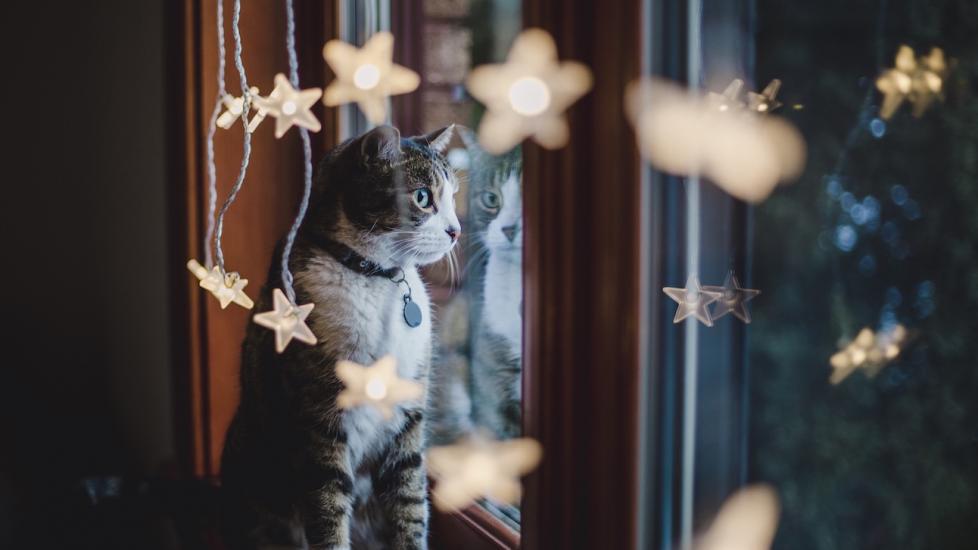
6. You Put Up Unsafe Holiday Decorations
During the winter, many people decorate their home and yard for the holidays.
-
Some holiday plants are toxic for cats, including mistletoe, poinsettias, holly, and lilies. If you have a kitty at home, these are best avoided altogether. Lillies are especially deadly.
-
Tinsel is shiny and stringy—perfect for grabbing your cat’s attention. But if your cat ingests tinsel, it can lead to a life-threatening intestinal blockage.
-
Cats love to climb Christmas trees, and if they knock it over, they can easily injure themselves. Swallowing pieces of the tree or ornaments can also cause intestinal blockages or be a choking hazard.
-
Make sure your garbage is kept in a secure spot that a cat can’t get into, especially after holiday gatherings. If cats smell food and try to get into your trash, they can ingest toxins like onions, garlic, or chocolate.
How To Keep Your Cat Warm and Safe in Winter
The only way to truly keep your cat safe from the cold in the winter is to keep them indoors. This allows for a safe and comfortable winter for you and your cat.
Cats and Cold Weather FAQs
How do cats survive winter if they live outdoors?
Community cats survive winter by finding shelter and using extra calories to stay warm—but they rely heavily on humans to provide safe shelters, extra food, and unfrozen water.
What temperature is too cold for cats?
In general, below 45 F is uncomfortably cold for most cats, especially over time. Kittens, seniors, and sick cats are at risk even sooner.
Should I let my indoor cat outside in winter?
No. It’s safest to keep indoor cats inside in winter and provide enrichment and exercise indoors or in a safe, enclosed catio.