Arthritis in Cats: Symptoms, Causes, and Treatment


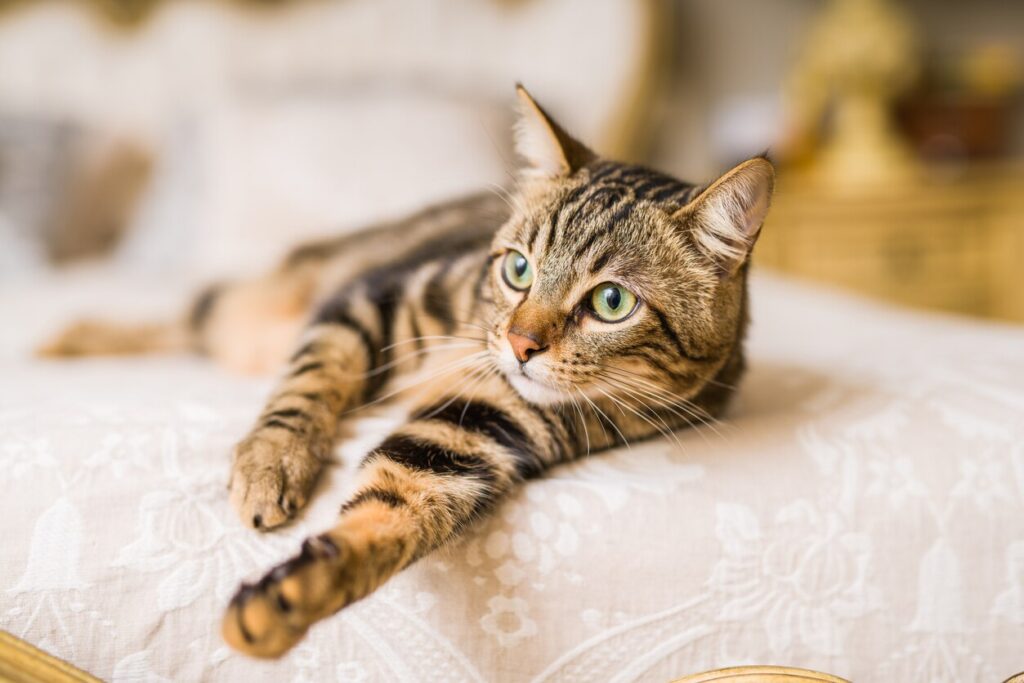
Istock/AaronAmat
What Is Arthritis in Cats?
Arthritis in cats (also called osteoarthritis or degenerative joint disease) is a chronic, progressive condition that causes joint pain and reduced mobility.
This condition is very common in older cats, affecting an estimated 70% to 90% of cats over 12 years of age. However, it can begin earlier, as studies suggest that about 60% of cats over 6 years old show signs of arthritis.
Arthritis develops gradually over time as changes occur within the joints. The cartilage that normally cushions and protects the joint breaks down, causing bones to rub against each other. This leads to inflammation, swelling, and pain.
In some cases, nearby bone may also splinter and form sharp projections into the joint.
The joints most commonly affected include:
- Spine
- Hips
- Knees
- Elbows
However, arthritis can develop in any joint.
Because arthritis is a progressive disease, symptoms typically worsen over time. As joint damage increases, cats may show stiffness, lameness, and decreased mobility.
While arthritis can affect any cat, it is most commonly associated with aging and does not appear to be linked to a specific breed or sex.
Download PetMD’s complete guide on cat arthritis: A Pet Parent’s Guide to Arthritis in Cats. A Spanish version of the guide is also available.
Key Takeaways
- Arthritis in cats is a progressive joint disease that commonly affects older cats.
- Signs are often subtle and may include reduced jumping, decreased grooming, and stiffness.
- While arthritis is not curable, symptoms can be managed.
- Early detection is essential, as many cats hide pain and symptoms can worsen over time.
Symptoms of Arthritis in Cats
Symptoms of arthritis in cats can be subtle, as cats often hide signs of pain.
Some cats show obvious physical signs, including:
- Limping
- Swollen joints
- Muscle loss (muscle wasting)
However, many cats display more subtle behavioral changes, which can make arthritis harder to recognize.
Cats with arthritis may:
- Become hesitant to jump, climb, or play
- Show decreased energy or agility
- Miss jumps or fall when getting on or off surfaces
- Difficulty grooming, leading to an unkempt coat
- Changes in how they sit, lie down, or sleep
- Avoiding the litter box or eliminating outside it (they may associate the litter box as the cause of the pain)
Keep in mind that these changes usually develop gradually over time rather than appearing suddenly.
Causes of Arthritis in Cats
Arthritis in cats can develop due to aging, injury, or underlying medical conditions.
Aging and Genetics
In many cases, arthritis occurs without a single identifiable cause and is considered part of the natural aging process. Genetics may also play a role.
Joint Injuries
Arthritis can also develop after damage to a joint, even if the injury was minor.
Injured cartilage releases enzymes that break down cartilage and collagen, which leads to increased inflammation and further joint damage.
Causes may include:
- Ligament injuries (such as ACL tears)
- Direct trauma (falls or car accidents)
- Congenital defects
Diseases and Infections
Certain conditions can contribute to joint inflammation and arthritis, including:
- Immune-mediated diseases (e.g., non-erosive polyarthritis)
- Tick-borne diseases (such as Lyme disease)
- Infections affecting the joint
How Veterinarians Diagnose Arthritis in Cats
Veterinarians diagnose arthritis in cats using a combination of physical examination and diagnostic imaging.
Arthritis is often suspected based on exam findings, but additional testing is needed to confirm the diagnosis. Some cats may not show obvious symptoms and are diagnosed incidentally during routine exams or imaging.
Physical Examination
During an exam, veterinarians may detect:
- Lameness
- Changes in gait, posture, or sitting position
- Difficulty sitting, standing, or moving
- Swollen or thickened joints
- Crepitus (clicking or grinding in the joints)
- Pain when joints are touched
- Decreased range of motion
Diagnostic Imaging
X-rays are the most common test used to confirm arthritis in cats.
They allow veterinarians to evaluate bone and joint changes, including:
- Joint distention
- Bony outgrowths (bone spurs)
- Soft tissue thickening
- Narrowed joint spaces
- Calcified loose fragments within the joint (“joint mice”)
Additional Evaluation
In some cases, veterinarians may recommend a trial of pain medication to assess how much discomfort your cat is experiencing and how they respond to treatment.
Treatment of Arthritis in Cats
Treatment of arthritis in cats focuses on reducing pain, improving mobility, and slowing disease progression.
A multimodal approach—using multiple therapies together—typically provides the best results and helps cats maintain a good quality of life.
Weight Management
Managing your cat’s weight is one of the most important steps in treating arthritis.
Excess weight puts additional strain on the joints. Weight loss can significantly improve comfort and mobility.
To help your cat lose weight, you can work with your veterinarian to determine an appropriate diet and calorie plan. Prescription weight management diets may be recommended.
Pain and Joint Support Medications
Veterinarians may prescribe medications to manage pain and inflammation, including:
- Non-steroidal anti-inflammatory drugs (NSAIDs): Effective but may require monitoring due to potential effects on internal organs. Examples include meloxicam, Onsior®.
- Gabapentin: Commonly used for chronic pain relief.
- Opioids: Used in certain cases, but may cause sedation and require careful monitoring.
- Polysulfated glycosaminoglycan (Adequan®): Injectable medication that helps protect joint cartilage by stopping destructive enzymes within the joint. Often used off-label in cats under veterinary guidance.
- Amantadine: May provide additional pain relief in some cases.
- Frunevetmab (Solensia®): A newer monoclonal antibody therapy designed specifically for cats. Early studies suggest it may be beneficial for arthritis management.
Supplements
Supplements may help support joint health and reduce inflammation in cats with arthritis.
- Glucosamine/chondroitin: Supports cartilage and joint function. Veterinarians often recommend trusted brands such as Dasuquin® or Cosequin® due to their safety and effectiveness.
- Omega-3 fatty acids: May help reduce joint inflammation.
- CBD (cannabidiol): Has gained attention for potential pain relief, but there is limited research in cats. Legal and quality concerns also exist. Always consult your veterinarian before considering CBD or similar products.
Medical and Supportive Therapies
Additional therapies may help improve comfort and mobility when used alongside medications and weight management.
- Laser therapy (cold laser): Can help reduce inflammation and pain. Typically started with frequent sessions and tapered over time.
- Acupuncture: May provide relief in some cats, though tolerance varies.
- Stem cell therapy: Shows promise in other species but requires more research in cats.
- Warm or cold compresses: Can provide temporary relief by improving circulation and reducing inflammation.
- Physical therapy: Helps improve mobility and can support weight management.
Surgical Options
Surgery may be considered in severe or specific cases of arthritis.
While not usually the first line of treatment, surgery may improve comfort and quality of life in some cats.
Options include:
- Joint fusion
- Joint replacement
- Amputation
It’s important to note that surgery does not cure arthritis, but it may help reduce pain and improve function over time.
Recovery and Management of Arthritis in Cats
Arthritis in cats is not reversible, but proper management can slow progression and improve quality of life.
With appropriate treatment, many cats remain comfortable and active for years. Because some cats show only subtle signs, regular monitoring is essential.
Ongoing care includes:
- Regular veterinary checkups
- Pain management and supportive therapies
- Monitoring for changes in mobility or behavior
Early intervention and consistent management are key to maintaining comfort.
Prevention of Arthritis in Cats
Maintaining a healthy weight is one of the most important ways to reduce the risk of arthritis.
To help prevent or delay arthritis:
- Keep your cat lean and at a healthy weight
- Follow a veterinarian-guided weight loss plan if needed
- Consider early use of joint-support supplements or cartilage protectants under veterinary guidance
Taking these steps can help protect joint health and reduce the risk of long-term damage.
Arthritis in Cats Condition FAQs
What are the signs of arthritis in a cat?
Signs of arthritis in cats are often subtle and easy to miss.
Common signs include:
- Decreased grooming
- Reduced mobility or reluctance to jump
- Stiffness or lameness
Behavioral changes, such as less activity or changes in litter box habits, may also occur.
What age does arthritis start in cats?
Arthritis is most commonly diagnosed in cats over 10 years old, but it often begins earlier.
How can I help my elderly cat with arthritis?
Managing arthritis in older cats focuses on reducing pain and improving quality of life.
Work with your veterinarian to:
- Maintain a healthy weight
- Use appropriate pain management medications
- Add joint supplements or supportive therapies
- Modify your home (e.g., easier access to food, litter box, and resting areas)
Early and consistent management can help keep your cat comfortable and active.
References
-
Tilley L, Smith F. The 5-Minute Veterinary Consult: Canine and Feline. Lippincott Williams & Wilkins; 2005
-
Harasen G. Veterinary Information Network. Degenerative Joint Disease (Feline). October 2016.
-
Harari J. Merck Veterinary Manual. Osteoarthritis (Degenerative Joint Disease). March 2018.


