Are Succulents Poisonous to Cats?
IN PARTNERSHIP WITH


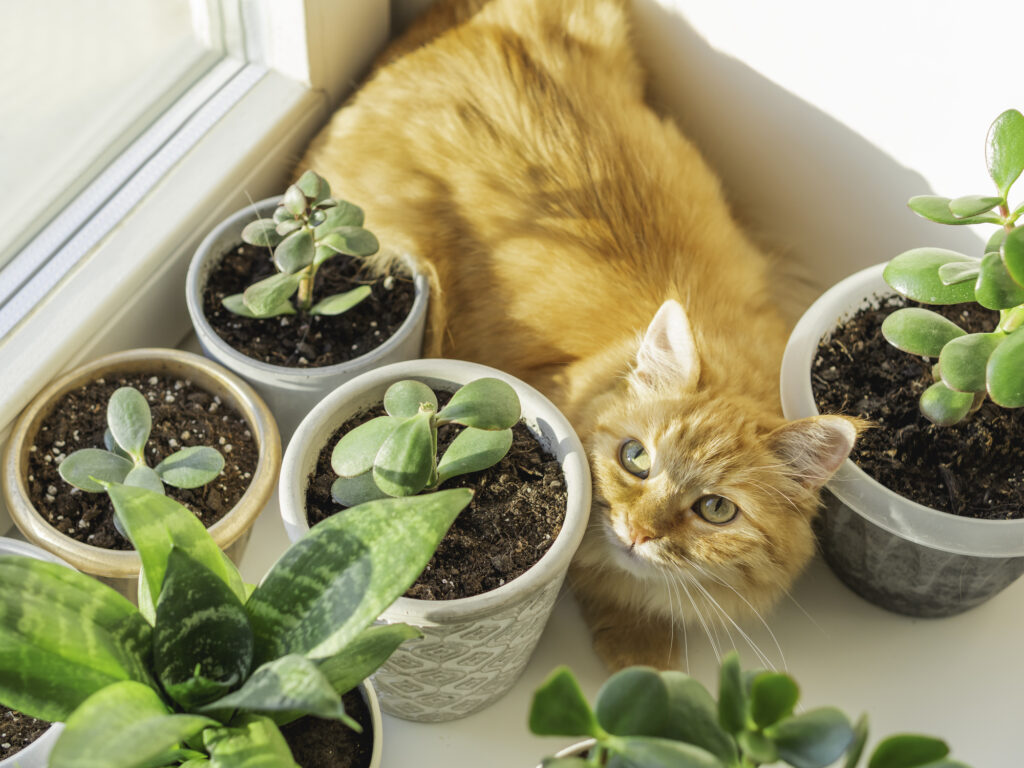
Konstantin Aksenov/iStock/Getty Images Plus via Getty Images
Succulents are a group of drought-resistant plants that have thick, fleshy leaves, stems, or roots that are designed to store water. They are popular indoor and outdoor ornamental plants because of their unique appearance and low-maintenance careneeds.
Most succulents are not considered poisonous and make an excellent choice for house plants with cats.
If ingested, most of these succulents will only cause gastrointestinal upset. But these signs may be severe and require veterinary care to clear up.
Kalanchoe is the exception, as this succulent can cause more severe clinical signs.
Key Takeaways
- Most succulents cause mild to moderate gastrointestinal upset in cats, but some varieties—especially kalanchoe—can lead to serious heart and neurologic complications.
- Symptoms of succulent poisoning in cats can include vomiting, diarrhea, drooling, weakness, tremors, skin irritation, and abnormal heart rate, depending on the type of plant ingested.
- If your cat eats a succulent, contact your veterinarian or Pet Poison Helpline right away and remove the plant to prevent further exposure.
Why Are Succulents Poisonous to Cats?
Cats are curious and playful creatures. When plants are in their environment, they often explore them. This commonly leads to pawing and chewing of the plant.
Trailing succulents—such as string of pearls, donkey’s tail, and trailing jade—have tendrils that overhang the pots or creep along the ground, along with small leaves. These characteristics make the plants look like excellent toys to our cats.
Not all succulents have the same toxic principles or clinical signs when eaten. But all parts of succulent plants can be problematic.
Most succulent plants cause gastrointestinal signs of varying severity, including vomiting, diarrhea, or drooling when eaten.
Kalanchoe in particular can cause more severe symptoms. In addition to the gastrointestinal signs, cardiovascular and neurologic problems can occur if your cat eats it.
Most Common Poisonous Succulents
The most common succulents poisonous to cats include:
-
Kalanchoe
-
Aloe vera
-
Euphorbia, which includes poinsettias
-
Jade
-
String of pearls
Symptoms of Succulent Poisoning in Cats
Symptoms of succulent poisoning in cats can include:
-
Gastrointestinal upset (vomiting, diarrhea, hypersalivating)
-
Cardiovascular (abnormal heart rate or rhythm)
-
Ocular irritation if there was contact with the eyes
-
Trauma from thorns (cacti) that may cause the skin to have redness, a rash, scratches, or small wounds
What To Do if Your Cat Eats a Succulent
If your cat eats a succulent, first remove the plant material from the environment so they can’t eat any more of the plant.
The expected clinical signs, level of concern, and recommendations are based on the type of plant. There are no at-home treatments available if a succulent plant is ingested by your cat, so you need expert help.
-
If the identification is known, contact Pet Poison Helpline at (855) 764-7661 or your veterinarian with the plant name to discuss expected clinical signs and recommendations for your cat.
-
If the type of succulent is unknown, take a photo of the plant and contact the helpline or your veterinarian. They can aid in identifying the plant and provide information on the expected concerns and treatment plans. If your cat needs to be seen by a veterinarian, Pet Poison Helpline will work with your veterinarian regarding specific needs for your cat.
If there are sores or wounds on the skin, the area should be cleaned with warm water only.
Prevention of Succulent Poisoning in Cats
The best way to prevent succulent poisoning in your cat is to have only nonpoisonous varieties in your cat’s environment.
Nonpoisonous succulents include:
-
Echeveria
-
Sedum, also known as burro’s tail or donkey’s tail
-
Haworthia
-
Sempervivum, also known as hens and chicks
-
Other nonpoisonous plants include the American rubber plant, Christmas or Easter cactus, or friendship plant.
It’s helpful to identify the plants in the house to know if they are poisonous and what clinical signs to expect if your cat eats them. If poisonous succulents are in the home, ensure your cat doesn’t have access to them or any parts that may fall off the plant.
Ideally, your cat should not have access to any plants, because even plants that are not considered poisonous can cause severe gastrointestinal signs that need veterinary care.
Consider using a cat gate to block off access to any houseplants when your cat is unsupervised.
Succulent Poisoning in Cats FAQs
What succulents are poisonous to cats?
Common poisonous succulents include aloe vera, kalanchoe, poinsettia, string of pearls, jade, and cacti. Each of these has a different degree of concern and potential symptoms.
Is it safe to have succulents indoors with cats?
It’s relatively safe to have succulents indoors if you avoid the ones listed as poisonous.
There are many varieties of succulents that may only cause stomach upset if ingested. If your cat is continually chewing on a succulent plant, it is best to remove the plant to avoid continued stomach upset or move the plant to an area your cat cannot access.
Why does my cat keep eating my succulents?
Some cats are simply drawn to the flavor and texture of succulents. This is why it is important to ensure the succulent, or any plant you bring into the home, is considered safe for your cat.
Which succulents are safe for pets?
Nonpoisonous succulents include:
-
Echeveria
-
Sedum, also known as burro’s tail or donkey’s tail
-
Haworthia
-
Sempervivum, also known as hens and chicks
Even those these are not considered poisonous; they may still cause gastrointestinal signs if ingested.