Can Cats Get Kennel Cough? Symptoms of Bordetella in Cats and When To Visit Your Vet


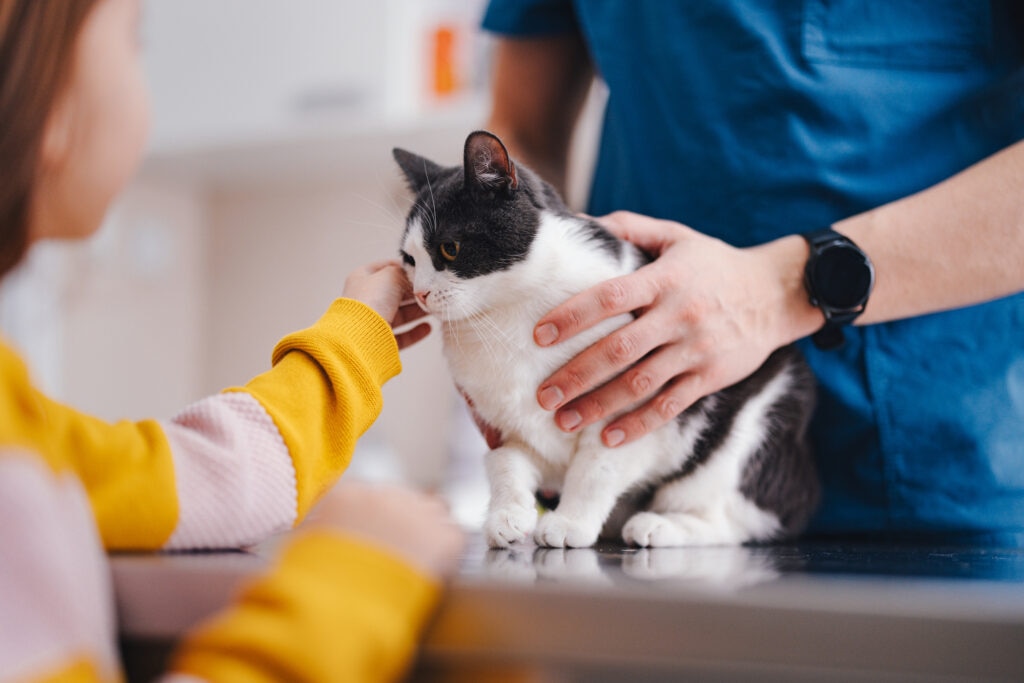
miniseries/E+ via Getty Images
Key Takeaways
- Cats can get kennel cough, a contagious upper respiratory infection caused by Bordetella bronchiseptica that leads to coughing, sneezing, fever, and nasal discharge.
- Most cases are mild and are resolved with antibiotics and supportive care, but kittens, senior cats, and immunocompromised cats are at higher risk for pneumonia.
- Prompt veterinary care helps confirm the diagnosis, start treatment, and prevent spread to other pets in the household.
What Is Kennel Cough in Cats?
Bordetella, or kennel cough, is an upper respiratory infection caused by bacteria that spreads easily among pets. The bacteria cause swelling within a cat’s airways, which results in concerning symptoms such as coughing, sneezing, and a fever.
Kennel cough is not usually a medical emergency, but it can make cats feel very sick and can progress to pneumonia if left untreated.
It’s highly contagious, so if you think your cat may have the infection, it is important to visit the veterinarian as soon as you can to get the right diagnosis and treatment.
If you notice your cat having difficulty breathing, pale gums, or severe lethargy, bring them to an emergency veterinarian immediately.
Symptoms of Kennel Cough in Cats
The most common symptoms of kennel cough in cats include:
-
Dry, hacking cough
-
Lethargy
Causes of Kennel Cough in Cats
Kennel cough in cats is caused by the bacterium Bordetella bronchiseptica. The bacteria is spread through direct contact, in airborne droplets from coughing or sneezing, and on contaminated surfaces like bedding and toys.
Kennel cough is highly contagious and can spread between cats or between dogs and cats.
Cats who are near other animals—such as in shelters or multi-pet households, or at boarding and grooming facilities—have increased risks for the infection.
This infection is most common in young kittens and senior cats because of their weaker immune systems. Cats who are immunocompromised, such as those with FeLV, are also more likely to be infected.
How Veterinarians Diagnose Kennel Cough in Cats
Diagnosing kennel cough is often done by taking a thorough history from the pet parent and doing a physical exam to listen to your cat’s lungs, check for a cough, and look for eye or nose discharge.
The veterinarian will want to know when symptoms started, if your cat has any underlying health issues, and whether there was recent exposure to other animals.
Generally, the history and exam can lead to a diagnosis of kennel cough.
However, to confirm a diagnosis and rule out other respiratory conditions, more diagnostic testing can be done, including:
-
Blood work. A sample of blood is taken to check your cat’s overall health, including testing for other infections like FeLV or FIV.
-
PCR test. In cases that do not respond to the first treatment or if a definite diagnosis is needed, a cotton swab can be used to gently collect a sample from the cat’s throat or eye and nose discharge to send to a laboratory to find the cause for the infection.
Treatment of Kennel Cough in Cats
Treatment for kennel cough in cats is medications and supportive care to treat the symptoms, including:
-
Antibiotics, such as doxycycline
-
Anti-inflammatories, such as prednisolone
-
Cough tablets, like Creative Science Cough Tablets for Dogs & Cats
Treatment is generally prescribed for around one week.
While rare, hospitalization for oxygen therapy and supportive care, such as IV fluids, may be needed in severe cases.
Recovery and Management of Kennel Cough in Cats
Most cats with kennel cough recover within seven to ten days. If symptoms are severe, it can take up to a month for full resolution.
While a cat is recovering from kennel cough, you should keep him separated from other pets in the household to avoid spreading illness. Provide him a quiet, private space to rest in with a comfy cat bed or blanket.
Add a humidifier in this area to keep his airways moist.
Always give access to fresh, clean water. Because cats with kennel cough may have reduced appetites, you may need to entice him to eat with wet food or a dry food topper, like Nature's Logic 100% Natural Beef Crumble Dry Dog & Cat Food Topper.
Prevention of Kennel Cough in Cats
Pet parents can take several steps to prevent kennel cough in their cats, including:
-
Ensuring their cats get regular veterinary care and stay up to date on vaccinations
-
Keeping their cats away from other pets who have respiratory symptoms
-
Reducing stress in their cats’ environment to encourage a strong immune system
Kennel Cough in Cats FAQs
How do you treat Bordetella in cats?
In most cats, bordetella is treated with antibiotics, anti-inflammatories, and cough tablets. In severe cases, hospitalization and supportive care with IV fluids and oxygen therapy may be needed.
How serious is bordetella in cats?
Most bordetella cases in cats are mild and resolve on their own, and they generally clear up in around a week with the right treatment. However, cats with severe symptoms or those who are immunocompromised are at risk for developing pneumonia if it’s left untreated.
Can humans get bordetella from cats?
While rare, humans can get bordetella from cats. People who are immunocompromised are at a higher risk.
How do indoor cats get bordetella?
Indoor cats primarily get bordetella from direct contact with infected pets or from respiratory droplets spread by coughing or sneezing. Cats may also become infected through exposure to contaminated surfaces such as bedding, toys, or bowls.


